kitchen setup

Why Your Kitchen Makes Cooking Harder Than It Should Be

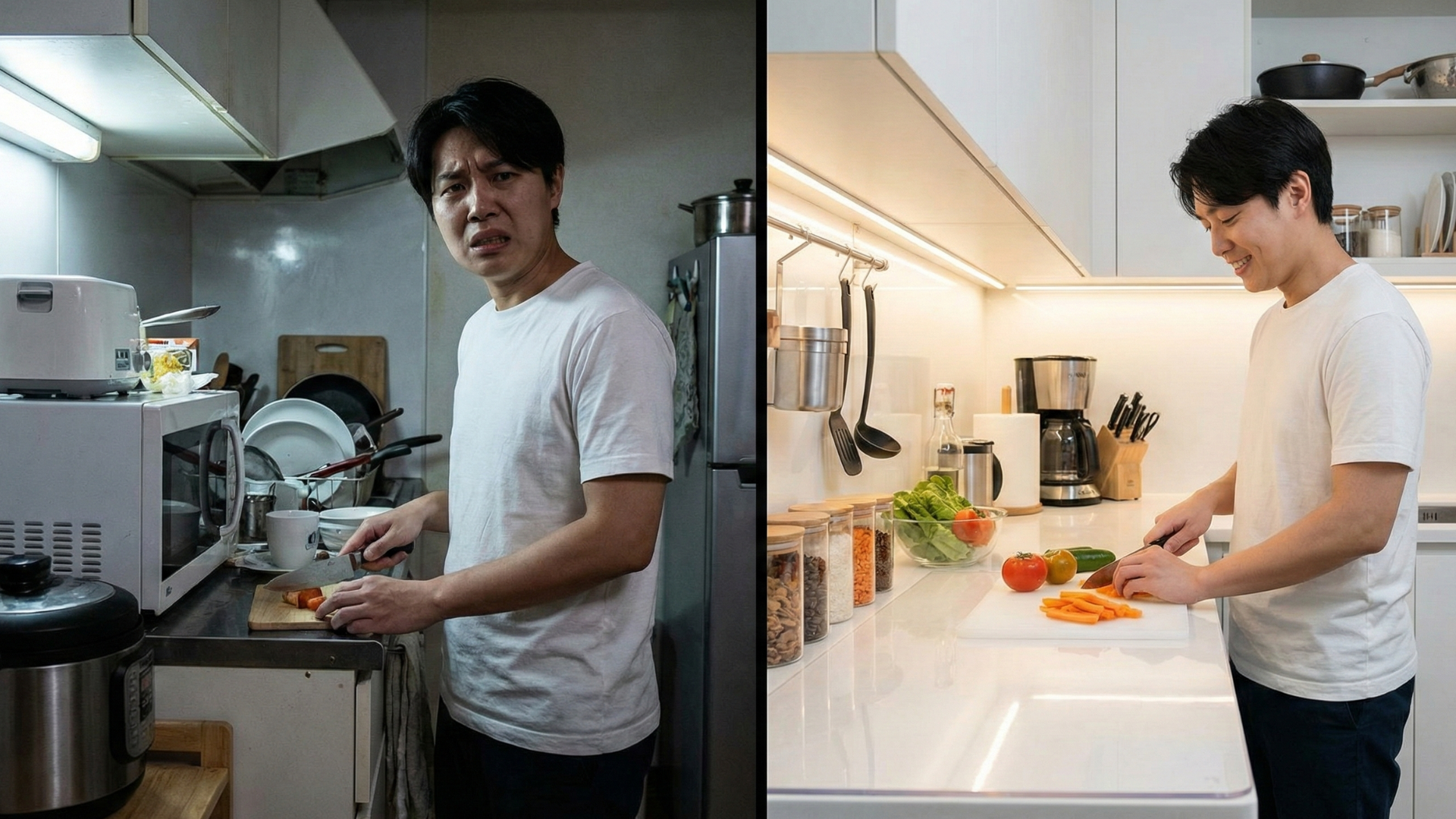
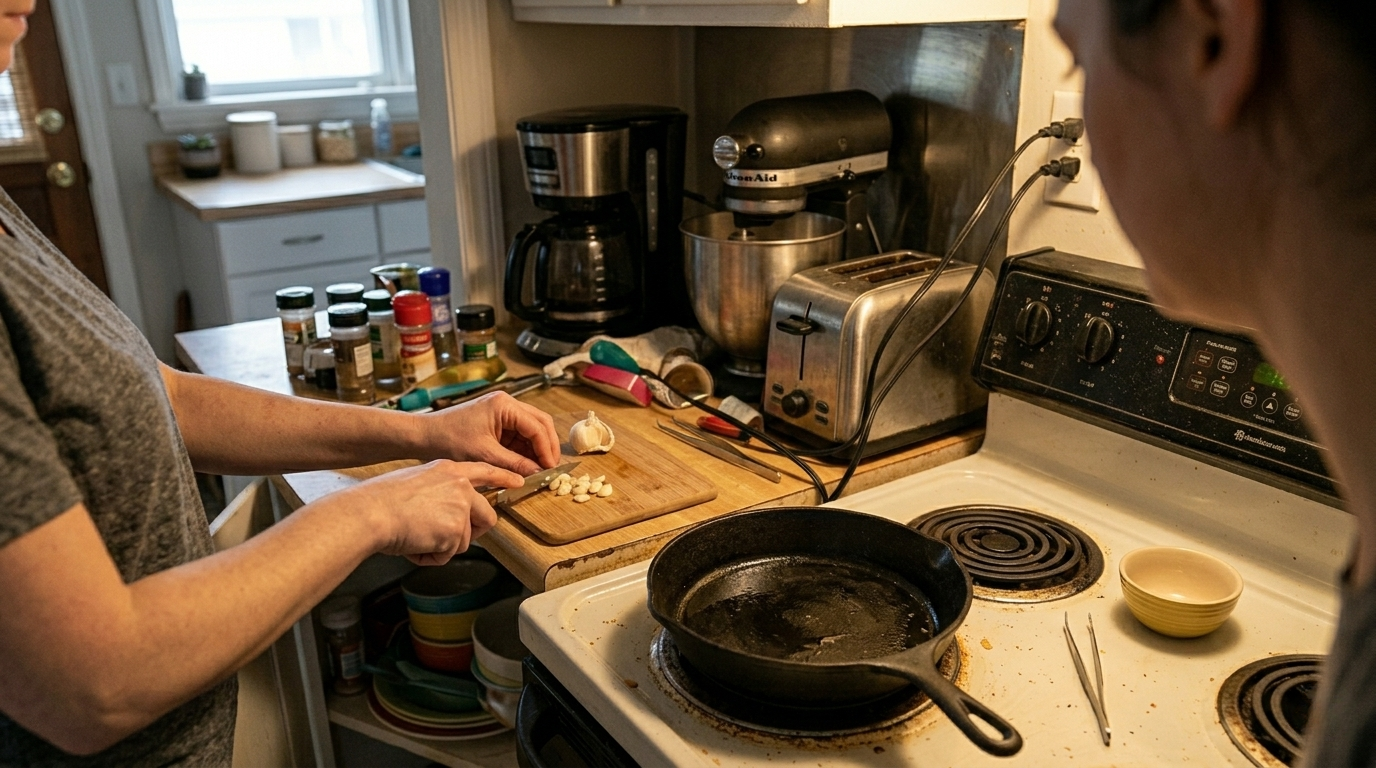
Cooking difficulty often gets attributed to lack of skill or time when the actual problem is a kitchen setup that creates unnecessary obstacles during routine tasks. Poorly arranged work zones, inadequate counter space, inconvenient storage placement, and missing basic tools all add friction to cooking that has nothing to do with recipe complexity or culinary ability. These kitchen design and organization issues accumulate into significant frustration that makes cooking feel harder than the recipes themselves warrant. When preparing dinner requires walking back and forth across the kitchen repeatedly, digging through crowded cabinets for basic items, and working in cramped spaces without room to prep ingredients, the cooking process becomes unnecessarily exhausting regardless of what you’re making. The challenge is recognizing that kitchen setup problems are fixable rather than permanent conditions you must accept. Many cooking frustrations stem from correctable organizational issues, missing equipment, or workflow inefficiencies rather than from cooking being inherently difficult or your abilities being insufficient. Understanding which kitchen factors create unnecessary difficulty helps you identify and fix problems that genuinely impede cooking rather than just trying to cook better in a space working against you. Your Counter Space Doesn’t Actually Function Many kitchens have reasonable total counter area but almost none of it remains usable for actual food preparation because permanent items occupy nearly all available space. Small appliances crowd counters leaving minimal prep space. The coffee maker, toaster, stand mixer, knife block, utensil holder, and various other items consume counter real estate permanently, leaving you perhaps one small area for cutting boards and ingredient prep. Corner spaces go unused because they’re awkward to access and items placed there become semi-permanent obstacles. Counter corners typically collect things that then never move, effectively removing that space from useful circulation. Counter space near the stove gets occupied by decorative items, spice racks, or utensil holders that could be stored elsewhere. The most valuable prep space—right next to where you’re cooking—often isn’t available for staging ingredients because other items live there. Working in remaining small spaces forces overlapping tasks. You chop vegetables on a cutting board, but then have nowhere to put the cutting board when you need counter space for something else. You play a constant shell game moving items around to free up small work areas. The solution isn’t necessarily more counters but rather clearing current counters of items that don’t need permanent placement. Store infrequently used appliances in cabinets or pantries. Use wall-mounted solutions for utensils and knives. Create actual empty counter space where you can work rather than accepting that counters are for storage. Functional counter space means empty space available when you need it, not total counter area that’s perpetually occupied. Everything You Need Is in the Wrong Place Kitchen organization that doesn’t match cooking workflow creates constant unnecessary movement and interruptions during food preparation. Pots and pans stored far from the stove force repeated trips across the kitchen. Every time you need a different pan, you walk away from the cooking area, retrieve the pan, and return—multiplied across every cooking session for years. Spices stored in cabinets above eye level require reaching, searching, and often climbing on step stools to access items you use constantly. Cooking that uses four different spices means four separate interruptions to find and retrieve seasonings you can’t see clearly. Utensils kept in drawers across the kitchen from the stove mean abandoning the cooking area repeatedly for spatulas, tongs, spoons, and other tools needed during active cooking. The constant back-and-forth wastes time and breaks cooking flow. Cutting boards stored under the sink or in a cabinet nowhere near food prep areas create extra steps before you can even start cooking. Something you use in nearly every cooking session shouldn’t require retrieval from an inconvenient location. Oils, vinegars, and frequently used condiments stored in various cabinets rather than grouped near cooking areas force hunting for items mid-recipe when you’re trying to focus on cooking technique and timing. The solution involves moving items to logical locations based on where and how you use them. Store pots near the stove, utensils within reach of cooking areas, spices where you can see and grab them easily, and cutting boards where you do prep work. The specific storage location matters less than matching storage to usage patterns. You’re Missing Basic Equipment That Would Help Many cooking struggles stem from not having fundamental tools that make cooking tasks easier rather than from the tasks being inherently difficult. Sharp knives make dramatic differences in food prep speed and safety. Dull knives require force and create frustration while sharp knives cut effortlessly and precisely. If chopping vegetables feels like a chore, the knife is probably the problem, not your technique. Adequate cutting boards provide stable prep surfaces sized appropriately for the task. Trying to chop ingredients on a cutting board too small for the food creates mess and inefficiency. Having proper-sized boards for different tasks reduces frustration. Bench scrapers or bowl scrapers move chopped ingredients from cutting board to bowl efficiently instead of using knife blades or your hands to gather and transfer food. This simple tool speeds prep work significantly. Kitchen scissors handle many tasks faster than knives—trimming herbs, cutting through packaging, portioning raw chicken, snipping bacon. Not having scissors means using knives inefficiently for tasks scissors handle better. Instant-read thermometer eliminates guessing about meat doneness. Constantly overcooking or undercooking proteins because you’re guessing when they’re done creates frustration that a simple thermometer solves. Mixing bowls in varied sizes provide proper containers for different quantities rather than making do with bowls too small or wastefully large. Having the right size bowl for the task at hand makes mixing and prep work easier. The missing equipment issue isn’t about needing specialty gadgets but rather lacking basic tools that genuinely simplify routine tasks. These fundamental items aren’t expensive but their absence makes cooking harder than necessary. Your Lighting Is Completely Wrong Inadequate or poorly positioned lighting makes every kitchen task more difficult and less safe without you necessarily

Essential Kitchen Tools Every Home Chef Should Own: Building Your Culinary Arsenal

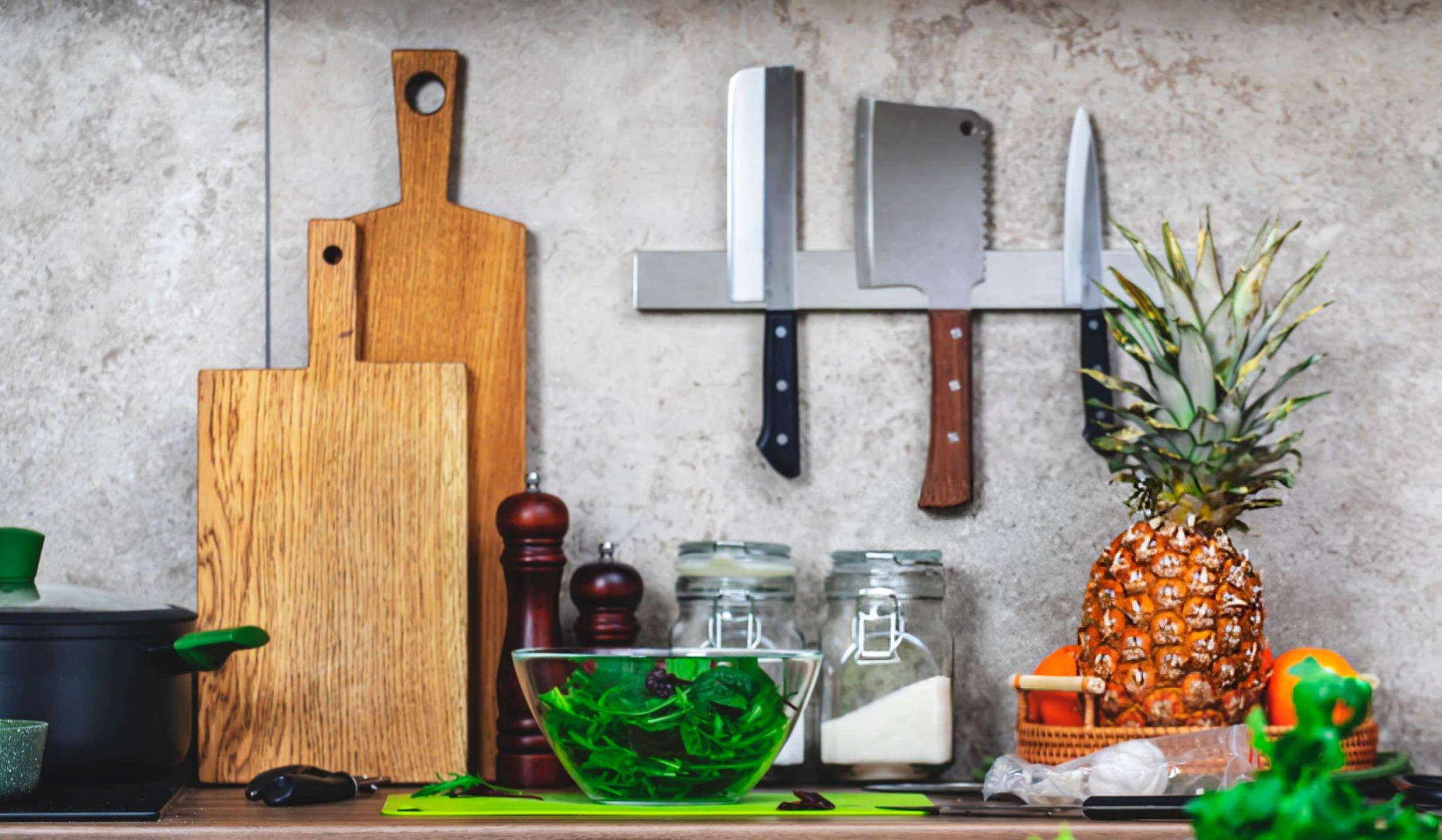
A well-equipped kitchen doesn’t require every gadget on the market, but having the right essential tools can transform your cooking experience from frustrating to enjoyable. The difference between struggling through meal preparation and cooking with confidence often comes down to having quality tools that make techniques easier, safer, and more precise. Understanding which tools provide the most value helps you build a kitchen arsenal that supports your culinary growth while avoiding unnecessary clutter. Smart tool selection focuses on versatile items that serve multiple purposes rather than single-use gadgets that quickly become drawer clutter. The best kitchen tools are those you’ll reach for repeatedly, tools that make fundamental cooking techniques more accessible and enjoyable. Building your collection gradually with quality pieces provides better long-term value than buying complete sets of mediocre tools that may disappoint. The Foundation: Quality Knives Great cooking starts with great knives, and no other kitchen tools have as much impact on your daily cooking experience. Quality knives make food preparation faster, safer, and more precise while lasting for decades with proper care. Chef’s knife represents the most important tool in any kitchen, handling 80% of cutting tasks from chopping vegetables to slicing meat. An 8-10 inch chef’s knife with a comfortable handle and sharp, high-carbon steel blade serves as your primary cutting tool for most cooking tasks. Paring knife handles detailed work like peeling, trimming, and precision cutting that larger knives can’t manage effectively. A 3-4 inch paring knife with a comfortable grip allows delicate work while maintaining control and accuracy. Serrated knife cuts through foods with tough exteriors and soft interiors without crushing or tearing. A quality serrated knife handles bread, tomatoes, and other challenging items that would be damaged by straight-edge knives. Knife sharpening tools maintain your knives’ performance over time, making them safer and more effective to use. A honing steel for regular maintenance and a sharpening system for periodic edge restoration keep knives performing optimally. Proper knife storage protects blade edges while keeping knives safely accessible. Magnetic strips, knife blocks, or in-drawer knife organizers prevent damage while ensuring kitchen safety. Quality knife characteristics include high-carbon steel blades that hold edges well, comfortable handles that fit your grip, and full-tang construction that provides balance and durability. Cutting Boards: Your Workspace Foundation Cutting boards provide the foundation for all knife work, affecting both food safety and knife performance. Having appropriate cutting boards for different tasks prevents cross-contamination while protecting your knives and countertops. Wood cutting boards offer natural antimicrobial properties while being gentle on knife edges. Hardwoods like maple or walnut provide durability while developing character over time with proper care and maintenance. Plastic cutting boards allow for easy sanitizing in dishwashers while being affordable enough to maintain separate boards for different food types. Color-coded plastic boards help prevent cross-contamination between raw meats and ready-to-eat foods. Size considerations ensure adequate workspace for different cutting tasks. Large boards provide room for chopping multiple vegetables, while smaller boards work well for quick tasks or when counter space is limited. Maintenance requirements vary between materials but all cutting boards need regular cleaning and periodic deep sanitizing to maintain food safety. Understanding proper care extends board life while ensuring hygiene. Stability features like rubber feet or non-slip surfaces prevent dangerous movement during use. Secure cutting boards improve safety while allowing more confident, efficient knife work. Measuring Tools for Precision and Consistency Accurate measuring ensures consistent cooking results while helping you follow recipes successfully and develop your own cooking skills through reliable feedback. Measuring cups for dry ingredients should be flat-topped for accurate leveling, with clearly marked measurements that won’t wear off over time. Stainless steel or durable plastic cups provide long-lasting accuracy. Liquid measuring cups with pour spouts and clear measurement markings allow accurate liquid measurement while minimizing spills. Glass measuring cups resist staining while being microwave-safe for heating ingredients. Measuring spoons handle small quantities of spices, extracts, and other ingredients that can significantly impact recipe outcomes. Quality measuring spoons have clearly marked measurements and comfortable handles. Kitchen scale provides the most accurate ingredient measurement, particularly important for baking where precision affects results significantly. Digital scales with tare functions allow easy measurement of multiple ingredients in one container. Instant-read thermometer ensures food safety while preventing overcooking of proteins. Digital thermometers provide quick, accurate readings that help achieve perfect cooking results. Essential Cookware for Versatile Cooking Quality cookware forms the foundation of effective cooking, with a few versatile pieces handling most cooking tasks better than large sets of mediocre pots and pans. Large skillet or sauté pan handles most stovetop cooking from searing proteins to cooking vegetables. A 10-12 inch skillet with sloped sides provides versatility while fitting most cooking needs. Heavy-bottomed saucepan distributes heat evenly for sauce-making, cooking grains, and other liquid-based cooking tasks. A 2-3 quart saucepan handles most family cooking needs while being manageable in size. Dutch oven or heavy pot serves multiple purposes from braising and stewing to bread baking and deep frying. Cast iron or enameled cast iron provides excellent heat retention and versatility. Sheet pans enable roasting vegetables, baking cookies, and countless other cooking tasks. Heavy-duty aluminum sheet pans with raised edges provide durability while conducting heat evenly. Stockpot accommodates large-batch cooking like soups, stocks, and pasta for families or meal prep. An 8-12 quart capacity handles most home cooking needs without being unwieldy. Mixing and Preparation Tools Efficient food preparation requires tools that make mixing, combining, and processing ingredients easier and more effective. Mixing bowls in various sizes handle everything from whisking eggs to tossing salads. Stainless steel bowls are durable and versatile, while glass bowls allow visual monitoring of mixing progress. Wooden spoons provide gentle stirring that won’t scratch cookware while being heat-resistant for stovetop cooking. Multiple wooden spoons prevent flavor transfer between different dishes. Rubber spatulas scrape bowls clean while folding ingredients gently. Heat-resistant silicone spatulas work for both cold preparation and hot cooking applications. Whisks incorporate air into mixtures while breaking up lumps in sauces. Different whisk sizes handle