
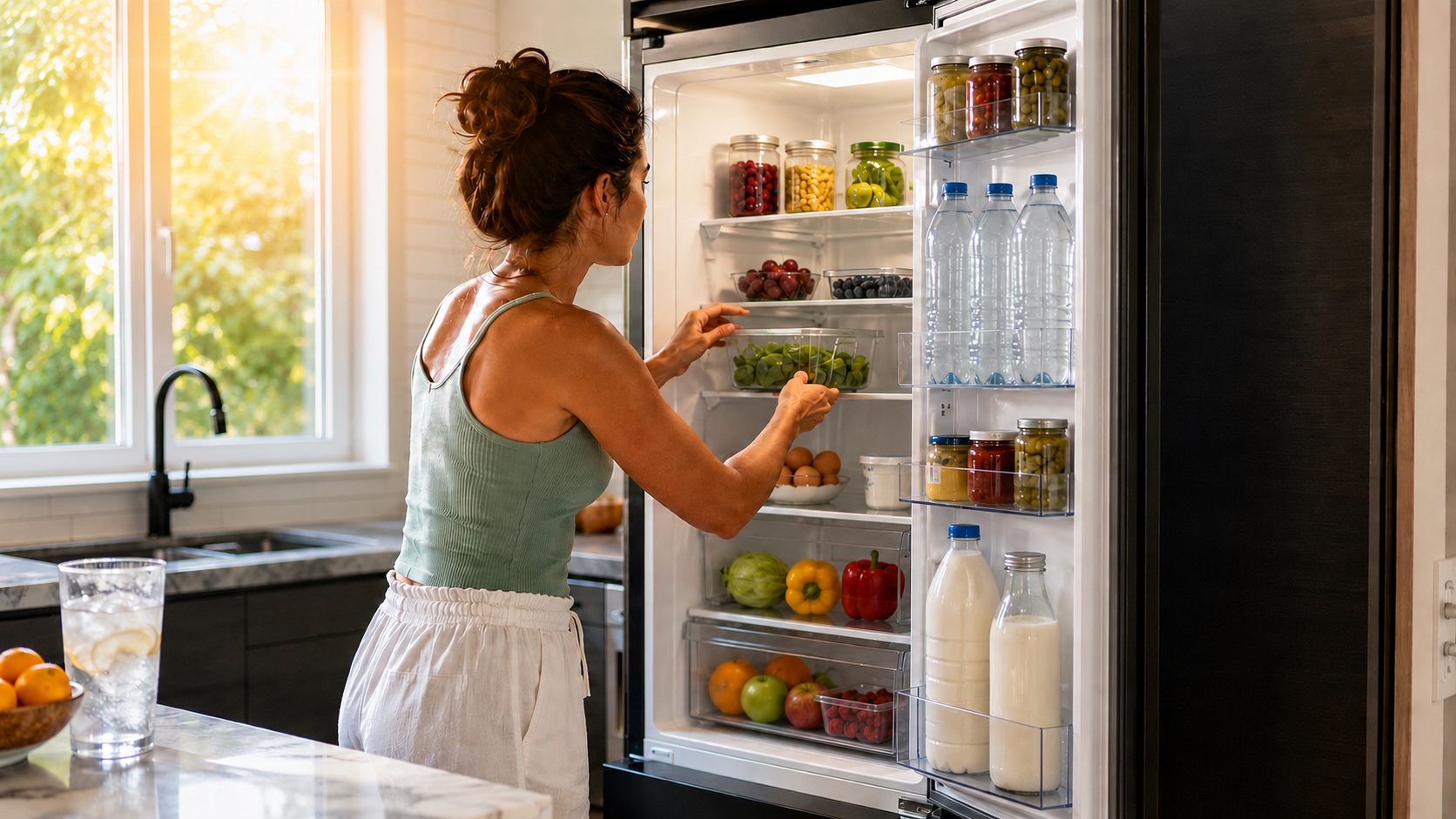
How to Use Your Refrigerator More Effectively During a Heatwave
A heatwave changes your refrigerator’s operating conditions in ways that most households don’t account for until they notice food spoiling faster than expected, the refrigerator running constantly, or energy bills climbing noticeably despite no change in usage patterns. The refrigerator that handled your household’s food storage adequately through spring suddenly seems to be struggling — and in many cases it genuinely is, because the ambient temperature conditions it’s operating against have changed substantially.
Understanding what a heatwave actually does to your refrigerator’s performance, why certain foods fail faster in high ambient heat conditions, and what operational changes extend both food quality and appliance efficiency gives you practical tools that make a real difference during the weeks when outdoor temperatures push household cooling systems to their limits. None of this requires buying new equipment or making permanent changes — it’s adjustments to how you use the refrigerator you already own in conditions it wasn’t optimized for.
What a Heatwave Actually Does to Your Refrigerator
The refrigerator doesn’t operate in isolation from its surrounding environment. Its job is maintaining a temperature differential between the interior cavity and the room it sits in — and the larger that differential, the harder the compressor works to maintain it.
The Ambient Temperature Effect: A refrigerator maintaining 38°F in a 70°F kitchen is working against a 32°F differential. The same refrigerator maintaining 38°F in a 90°F kitchen is working against a 52°F differential — 62% harder for the same result. The compressor runs more frequently, cycling on and off more times per hour to compensate for the increased heat transfer through the refrigerator’s walls and door seals. This increased compressor activity translates directly into higher electricity consumption and increased mechanical wear on the compressor — the most expensive component to replace in any refrigerator.
The Efficiency Degradation: Most refrigerators are rated for energy consumption at 70°F ambient temperature. Every 10°F increase in ambient temperature beyond this increases a refrigerator’s energy consumption by approximately 10-15%. A kitchen that runs at 85°F during a heatwave — common in homes without powerful air conditioning or in kitchens that absorb outdoor heat — could increase refrigerator energy consumption by 20-30% compared to normal operating conditions. This isn’t a marginal difference.
Temperature Consistency Suffers: During a heatwave the refrigerator’s interior temperature fluctuates more between compressor cycles than during normal operating conditions. The compressor brings the interior down to target temperature, shuts off, and the interior warms faster than usual because the surrounding ambient heat transfer is more aggressive. This wider temperature swing affects food quality and safety in ways that normal temperature maintenance doesn’t — the interior spends more time at the warmer end of its acceptable range rather than consistently staying at the cooler set point.
Door Seal Vulnerability: High ambient temperatures accelerate the deterioration of refrigerator door gaskets. Rubber and silicone seals that maintain acceptable performance at 70°F ambient can allow more heat infiltration at 90°F+ because temperature differentials push heat through any gap more aggressively. A gasket that sealed adequately under normal conditions may be allowing meaningful heat infiltration during a heatwave without being noticeably damaged.
Adjusting Temperature Settings During a Heatwave
The first operational adjustment during a heatwave is verifying and potentially adjusting temperature settings to account for the changed operating conditions.
Verify Actual Interior Temperature: Refrigerator temperature displays and dial settings reflect target temperatures rather than actual interior temperatures. During a heatwave when the compressor is working harder and cycling more frequently, the actual interior temperature may run higher than the displayed setting — particularly in zones far from the cooling unit like door shelves and the refrigerator’s front section. Place a thermometer in the center of the refrigerator and leave it for several hours before reading. The reading should be between 35-38°F. If it’s above 40°F, your refrigerator is struggling to maintain safe temperatures.
Lower the Set Point Slightly: During extended heatwaves, setting your refrigerator 2-3°F colder than normal operating temperature provides a buffer against the increased temperature fluctuation that hotter ambient conditions create. If you normally run at 38°F, setting to 35-36°F ensures that even at the warmer end of the compressor cycle the interior stays within safe food storage range. This adjustment increases energy consumption slightly but maintains the food safety margin that normal settings assume a cooler ambient environment provides.
Freezer Temperature Check: The same ambient heat effect applies to the freezer. During a heatwave, freezer temperatures can drift higher than normal between compressor cycles. A freezer that maintains 0°F under normal conditions may be running at 5-8°F during extended heat events — still safe for frozen food but worth verifying with a thermometer. If your freezer is running consistently above 10°F, the refrigerator’s cooling system is genuinely struggling and professional service evaluation may be warranted.
Organizing the Interior for Heatwave Conditions
How you organize the refrigerator interior affects both food safety and appliance efficiency — particularly during heatwave conditions when both are under increased stress.
The Cold Zone Map: Refrigerators have temperature zones that exist regardless of seasonal conditions but matter more during heatwaves when temperature differentials are amplified. The coldest zone is typically the back of the lower shelves, closest to the cooling coil and furthest from the warm air that enters through the door. The warmest zone is door shelves, which experience the most temperature variation from door openings and have the least insulation separating them from ambient kitchen temperature. During a heatwave, organize around this reality rather than available space.
Move Temperature-Sensitive Items to Cold Zones: Raw meat, fish, and items with the narrowest safe storage temperature range belong in the coldest back section of the lower shelves during a heatwave — not in door shelves where temperature fluctuates most. This matters more during a heatwave than normal conditions because the temperature differential between zones is greater when ambient heat is pushing up overall interior temperatures.
Don’t Store Hot Food: This is standard food safety advice that becomes more critical during heatwave conditions. Placing hot food in the refrigerator during a heatwave forces the already-stressed compressor to work significantly harder to bring the added heat down to storage temperature, potentially affecting other food in the refrigerator during the recovery period. Let hot food cool to room temperature — or accelerate cooling in an ice bath — before refrigerating. The 2-hour rule still applies for food safety, so cool quickly rather than waiting, but don’t go directly from stove to refrigerator.
Keep the Refrigerator Reasonably Full: A full refrigerator maintains temperature more effectively than a sparse one because the thermal mass of cold food and containers acts as a buffer against temperature rise when the door opens or between compressor cycles. Cold items absorb warm air that enters during door openings, moderating the temperature rise the refrigerator then has to correct. During a heatwave when temperature recovery takes longer, this thermal buffer effect is more valuable than usual. If your refrigerator is naturally sparse, filling unused space with pitchers of water adds thermal mass without wasting food resources.
Don’t Overfill Either: A refrigerator packed so tightly that air can’t circulate defeats the thermal benefit of fullness. Cold air needs to move between items to maintain consistent temperatures throughout the cavity. Leave enough space between items for air to circulate — aim for comfortably full rather than jammed.
Reducing the Heat Load Your Refrigerator Has to Fight
The refrigerator’s operating conditions during a heatwave are partly determined by what’s happening in the kitchen and home around it — and several of these factors are within your control.
Kitchen Temperature Management: The cooler your kitchen, the less your refrigerator struggles. This sounds obvious but has specific implications. Running the oven or multiple high-output gas burners during a heatwave raises kitchen ambient temperature, directly increasing the thermal load on your refrigerator. The no-oven summer cooking approach covered elsewhere in this content library isn’t just about your comfort — it’s also about keeping the refrigerator’s operating environment within a range where it performs efficiently.
Refrigerator Placement and Sun Exposure: Refrigerators positioned against walls that receive direct outdoor sun exposure throughout the day operate against higher ambient temperatures than those in interior kitchen locations. During a heatwave, if your refrigerator is positioned against an exterior south or west-facing wall, it’s absorbing radiant heat through the wall in addition to room temperature effects. This is a placement factor you can’t quickly change during a heatwave, but it’s worth knowing for understanding why your refrigerator may be working particularly hard.
Condenser Coil Cleanliness: The condenser coils on the back or bottom of your refrigerator dissipate heat from the refrigeration cycle into the surrounding room. Dust and debris on these coils act as insulation, reducing heat dissipation efficiency and forcing the compressor to work harder. During a heatwave when the compressor is already under increased load, dirty condenser coils compound the stress. Vacuuming condenser coils — a 5-minute task with a brush attachment — can meaningfully improve refrigerator efficiency and is particularly worth doing before or during an extended heatwave.
Minimize Door Opening Frequency and Duration: Every door opening introduces warm ambient air into the refrigerator cavity that the compressor then has to remove. During a heatwave, the warm air entering with each door opening is warmer than normal, meaning the recovery workload per opening is higher. Building habits around opening the refrigerator with a plan — knowing what you’re getting before you open rather than browsing with the door open — reduces both the frequency and duration of door openings in meaningful ways.
Check Door Seals: Run your hand around the perimeter of the closed refrigerator door — if you feel cool air escaping, the gasket is failing. A simple test places a piece of paper in the door and closes it — a properly sealing door holds the paper firmly when you try to pull it out. If the paper slides out with minimal resistance, the gasket needs attention. Clean gaskets with warm soapy water to remove residue that prevents full sealing. If cleaning doesn’t restore the seal, replacement gaskets are typically inexpensive and straightforward to install.
Food Storage Priorities During a Heatwave
Beyond the refrigerator’s mechanical performance, a heatwave changes how quickly perishable food moves through its safe storage window — with implications for shopping, meal planning, and what you prioritize eating.
Shortened Storage Windows: The temperature fluctuation inside a refrigerator during a heatwave means food experiences warmer peak temperatures more frequently than normal storage, even if the average temperature stays acceptable. This shortened safe storage window is real and affects planning. During a heatwave, applying the more conservative end of food storage timeframes rather than the maximum — storing meat for 2 days rather than 3-4, dairy for the shorter end of its window — reduces the risk that temperature fluctuation has shortened actual safe storage below the guideline maximum.
Shop More Frequently in Smaller Quantities: Rather than a single large weekly shop that loads the refrigerator with food meant to last 7-10 days, shopping every 2-3 days in smaller quantities during a heatwave keeps food fresher and reduces the total perishable inventory at risk if refrigerator performance is compromised. It also reduces the amount of warm grocery store food being loaded into the refrigerator at once — a smaller load of groceries added to the refrigerator requires less recovery work from the compressor than a full week’s shop all at once.
Prioritize Eating Perishables Early in the Week: If you do shop weekly, organize meal planning so the most perishable items — raw fish, fresh poultry, delicate produce — get used in the first 1-2 days after shopping. Items with longer natural storage windows go later in the week. This sequencing reduces the probability that the refrigerator’s heatwave-stressed performance affects your most temperature-sensitive foods.
Freeze What You Won’t Use Quickly: During a heatwave, if you bought meat you won’t use within 2 days, freeze it the day you buy it rather than assuming the refrigerator will maintain it safely through the extended storage window. Freezing is unambiguously safe storage. A refrigerator struggling in heatwave conditions is not.
Using Coolers to Extend Refrigerator Effectiveness
Coolers are an underutilized supplement to refrigerator capacity during heatwaves that can meaningfully reduce the load on the main refrigerator.
Beverage Coolers: Moving beverages — beer, water, juice, sodas — from the refrigerator to a dedicated beverage cooler with ice removes one of the highest-frequency door-opening categories from the main refrigerator. Every time someone opens the refrigerator for a drink during a heatwave is an opportunity for warm air infiltration and temperature recovery work. A beverage cooler on the counter or patio handles this traffic entirely separately, leaving the refrigerator’s door openings reserved for actual food access.
Produce Overflow: During peak summer season when produce purchases are at their highest, a cooler with ice can hold excess produce that would otherwise crowd the refrigerator. Whole fruits and many vegetables store adequately in a cool, somewhat humid cooler environment for short periods — well enough to hold them until space opens in the main refrigerator.
The Refrigerator as a Summer Cooking Tool
Heatwaves create conditions where the refrigerator itself becomes an active cooking asset rather than purely a storage appliance.
Cold Preparation Methods: Several preparation methods use the refrigerator as the “cooking” environment. Overnight oats that breakfast from the refrigerator without any morning heating. Refrigerator pickles that cure in brine in the cold without any canning process. No-bake energy balls that set in the refrigerator without the oven. Cold brew coffee that steeps at refrigerator temperature for 12-24 hours. These methods let you produce food without adding any heat to the kitchen while using the refrigerator’s cold environment productively rather than just for storage.
Chilling Components for Assembly Meals: Cold grain bowls, chilled noodle dishes, composed salads, and similar assembly meals work best when their components are prepared and chilled separately in the refrigerator, then assembled at serving time. The refrigerator holds cooked rice, roasted vegetables, sliced proteins, and prepared dressings separately until needed — making a complete dinner from cold assembly rather than active cooking. The refrigerator does the preparation work while the kitchen stays cool.
Advance Meal Prep During Cooler Periods: Using the early morning hours when temperatures are lowest to prepare ingredients that go directly into the refrigerator for the day’s meals concentrates any cooking heat generation in the cooler part of the day and stores the results in the refrigerator for effortless serving later. This approach treats the refrigerator as the intermediary between early morning cooking and evening serving — a time-shifted approach that minimizes heat in the kitchen when ambient temperatures peak.
Signs Your Refrigerator Is Struggling in the Heat
Knowing when your refrigerator is genuinely struggling — rather than simply working harder — allows you to intervene before food safety is compromised.
Running Constantly Without Pause: A refrigerator that runs its compressor continuously without the normal off cycles is working at the edge of its capacity. Some continuous running during peak heatwave conditions is normal, but a refrigerator that never pauses for more than a few minutes over extended hours indicates the compressor may not be able to maintain safe temperatures against the ambient heat load.
Exterior Sides Warm to the Touch: Refrigerator sides are designed to be slightly warm as part of the heat dissipation process. Very warm or hot sides during a heatwave indicate the condenser is working at high capacity — potentially a sign of dirty coils, poor ventilation clearance, or a struggling compressor.
Frost or Ice Buildup in the Fresh Food Compartment: Unexpected frost in the refrigerator section (not the freezer) can indicate the refrigerator is overcorrecting as it tries to compensate for higher ambient temperatures — running the cooling system more aggressively than calibrated for normal conditions.
Interior Temperature Above 40°F Consistently: If a thermometer placed in the refrigerator center consistently reads above 40°F despite being set correctly, the refrigerator is failing to maintain safe food storage temperatures in the current ambient conditions. This is the threshold where food safety decisions become necessary — either addressing the performance issue or being more conservative about what’s stored and for how long.
Using your refrigerator effectively during a heatwave is ultimately about understanding that the appliance is working against harder conditions than it was designed for and making the adjustments — in settings, organization, door habits, and food management — that compensate for those conditions. The refrigerator that serves you well through eleven months of the year needs some additional consideration during the weeks when it’s working hardest to do the same job. That consideration, applied consistently through a heatwave, keeps food safer, extends appliance life, and keeps electricity consumption from climbing unnecessarily during the weeks when every system in your home is already under increased demand.