easy recipes

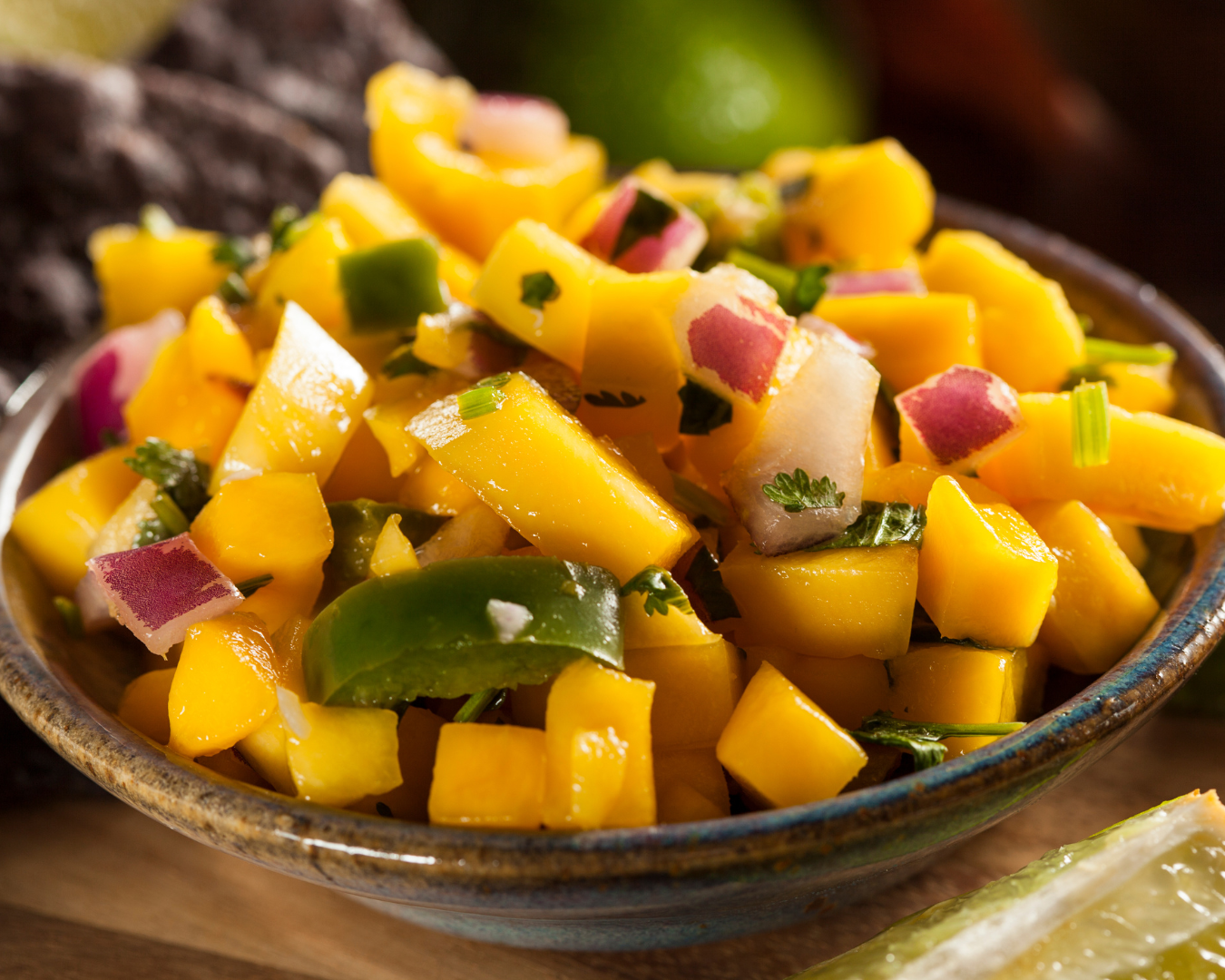
Pineapple Mango Salsa Recipe

Pineapple mango salsa is a vibrant and delicious condiment that adds a burst of tropical flavor to any dish. Whether you’re serving it with grilled fish, chicken, or as a topping for tacos, this salsa is sure to impress your guests and elevate your meals. The combination of sweet pineapple, juicy mango, and zesty lime creates a refreshing taste that’s perfect for summer gatherings or any time you want to add a bit of sunshine to your plate. Ingredients: Procedure: Step 1: Prepare the Ingredients Step 2: Combine the Ingredients Step 3: Mix and Chill Serving Suggestions: Pineapple mango salsa is a quick and easy recipe that brings a taste of the tropics to your table. Its refreshing and vibrant flavors make it a perfect accompaniment to a wide range of dishes. With fresh fruits and simple ingredients, you can create a delicious salsa that will impress your family and friends. Give this recipe a try and add a touch of sunshine to your meals!

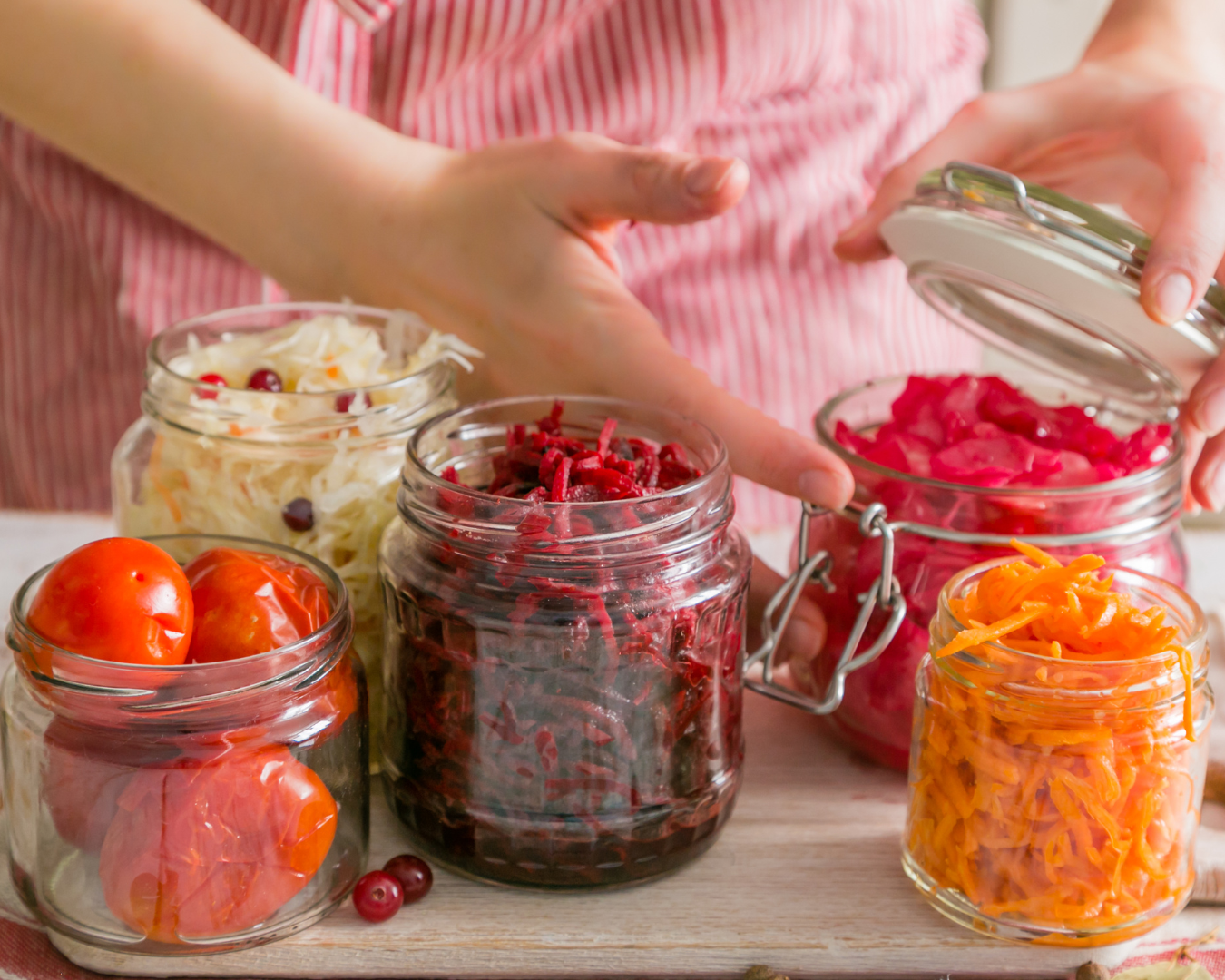
How to Ferment Vegetables at Home: A Beginner’s Guide

Fermenting vegetables at home is a delightful and rewarding process that not only enhances the flavor of your food but also boosts its nutritional value. Rich in probiotics, fermented vegetables support gut health and can add a tangy zest to your meals. This beginner’s guide will walk you through the basics of vegetable fermentation, ensuring you achieve delicious results every time. What is Fermentation? Fermentation is a natural process where microorganisms like bacteria and yeast convert sugars and starches into alcohol or acids. In the case of vegetable fermentation, beneficial bacteria, primarily lactobacilli, convert sugars into lactic acid, which acts as a preservative and gives fermented foods their distinctive sour taste. Benefits of Fermented Vegetables Before you begin, gather the necessary equipment: Step-by-Step Guide to Fermenting Vegetables Step 1: Choose and Prepare Your Vegetables Select fresh, organic vegetables. Popular choices include: Wash the vegetables thoroughly to remove any dirt or pesticides. Cut them into desired shapes and sizes, keeping in mind that smaller pieces ferment faster. Step 2: Create the Brine The brine is a saltwater solution that helps create the ideal environment for fermentation. The basic ratio is 1-3 tablespoons of salt per quart (liter) of water. Dissolve the salt in water, ensuring it’s fully mixed. Step 3: Pack the Vegetables Pack the vegetables tightly into your fermentation vessel, leaving about 1-2 inches (2.5-5 cm) of headspace at the top. Pour the brine over the vegetables until they are completely submerged. Use weights to keep the vegetables below the brine to prevent mold growth. Step 4: Cover and Ferment Cover the jar with a cloth secured with a rubber band to allow gases to escape while keeping contaminants out. Place the jar in a cool, dark place, such as a pantry or cupboard, at a temperature between 60-75°F (15-24°C). Step 5: Monitor and Taste Fermentation times can vary depending on the vegetables and the temperature. Start tasting your vegetables after a few days. They are usually ready in 1-4 weeks. The longer they ferment, the tangier they become. When they reach your desired flavor, move them to the refrigerator to slow down the fermentation process. Tips for Successful Fermentation Delicious Ways to Enjoy Fermented Vegetables Fermenting vegetables at home is a simple and rewarding process that can boost the flavor and nutritional value of your meals. With just a few basic ingredients and some patience, you can create delicious, probiotic-rich vegetables that will benefit your health and delight your taste buds. So, gather your supplies, choose your favorite vegetables, and start fermenting your way to a healthier, tastier kitchen!

Embracing a Gluten-Free Diet: A Path to Better Health

In recent years, the gluten-free diet has gained significant popularity, not only among those with specific health conditions but also among individuals seeking to improve their overall well-being. This dietary approach eliminates gluten, a protein found in wheat, barley, and rye, offering a variety of benefits for those who need or choose to avoid gluten. Understanding Gluten and Its Effects Gluten is a protein that gives dough its elasticity and helps it rise. It is found in a variety of foods, including bread, pasta, cereals, and many processed foods. For some people, gluten can cause severe health issues: Who Benefits from a Gluten-Free Diet? Navigating the Gluten-Free Diet Adopting a gluten-free diet involves understanding which foods contain gluten and finding suitable alternatives. Here are some tips to get started: Delicious Gluten-Free Meal Ideas Potential Challenges and Tips for Success Adopting a gluten-free diet can come with challenges, especially when dining out or traveling. Here are some tips to help you stay on track: A gluten-free diet is essential for individuals with celiac disease, gluten sensitivity, or wheat allergy and can offer health benefits to those who choose to avoid gluten for other reasons. By understanding which foods to avoid and finding delicious gluten-free alternatives, you can enjoy a varied and satisfying diet that supports your health and well-being. Embrace the journey to better health with a gluten-free lifestyle and discover the positive changes it can bring to your life.

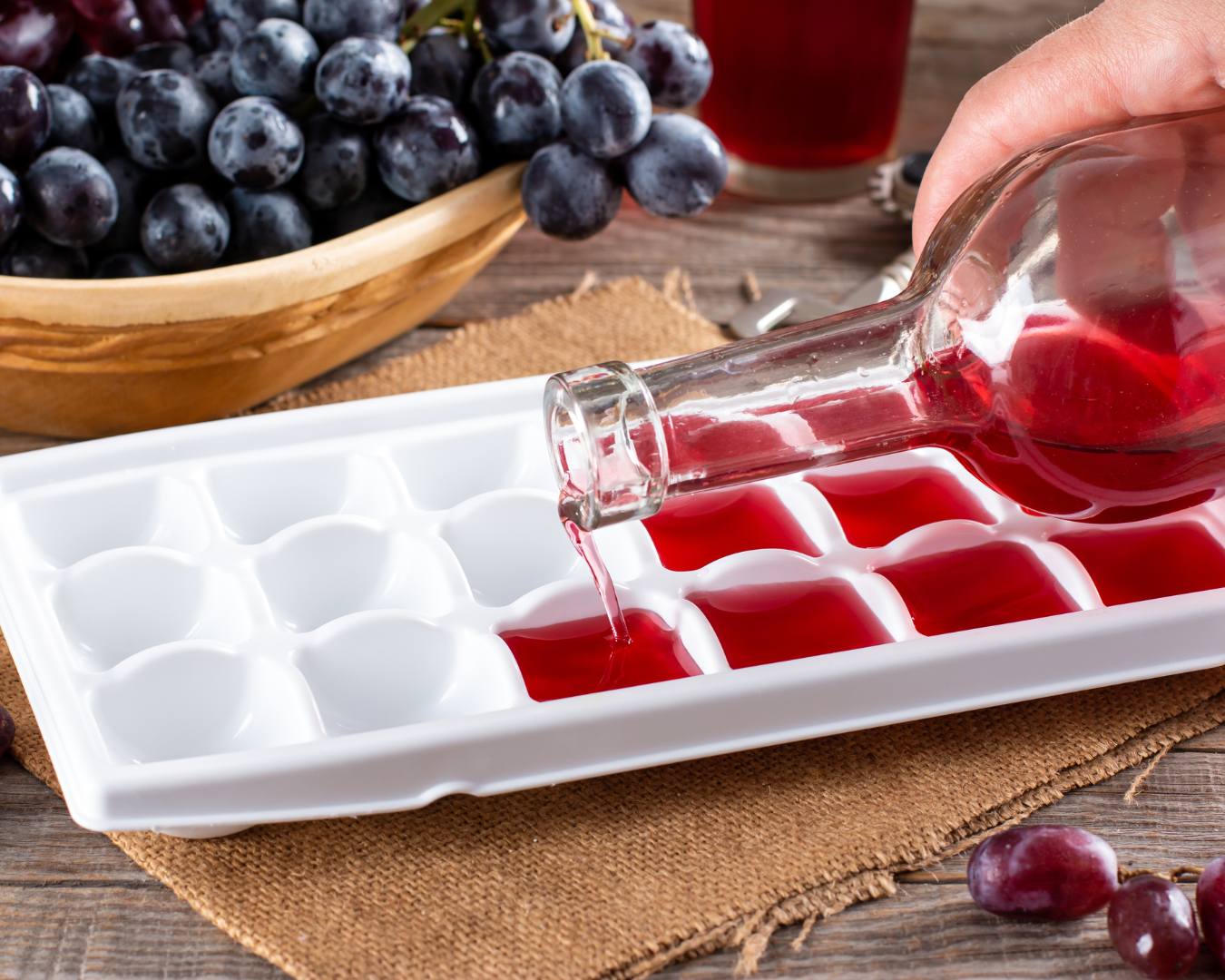
Unlock the Culinary Magic: Freeze Leftover Wine in Ice Cube Trays

Do you often find yourself with leftover wine after a gathering or a quiet night in? Instead of letting it go to waste, there’s a simple, sustainable solution that can elevate your cooking: freezing wine in ice cube trays. This clever trick not only helps you make the most out of every drop but also brings convenience and flavor to your culinary adventures. The Benefits of Freezing Leftover Wine How to Freeze Wine in Ice Cube Trays Here are some delicious ways to use your frozen wine cubes: Tips for Success Freezing leftover wine in ice cube trays is a simple, effective way to reduce waste and add convenience to your cooking. With just a few easy steps, you can ensure that no drop of wine goes unused and enjoy the rich, complex flavors it brings to your meals. So next time you have some wine left in the bottle, don’t pour it down the drain—freeze it, and unlock the culinary magic in your kitchen!

Keep It Clean: Easy Maintenance Tips for the COS-63190 36″ Wall Mount Range Hood’s Filters

Maintaining a clean and efficient kitchen starts with proper care of your range hood filters. The COS-63190 36″ Wall Mount Stainless Steel Range Hood is designed for efficient performance and easy maintenance, making it simple to keep your kitchen fresh and grease-free. Here are some essential tips to ensure your range hood filters stay in top condition. Why Filter Maintenance Matters Regular filter maintenance is crucial for several reasons: Understanding the COS-63190 Filters The COS-63190 features durable, reusable stainless steel ARC-FLOW filters. Unlike traditional filters that require frequent replacements, these are designed for long-term use and can be easily cleaned to maintain peak performance. Step-by-Step Filter Cleaning Guide Maintenance Frequency Additional Tips for Easy Maintenance By following these simple maintenance tips, your COS-63190 36″ Wall Mount Range Hood will continue to perform efficiently, keeping your kitchen clean, fresh, and stylish for years to come.

Mushroom and Spinach Stuffed Pork Tenderloin Recipe

Stuffed pork tenderloin is a delightful dish that combines the savory flavors of mushrooms and spinach with the tenderness of pork. This recipe is perfect for a special dinner or a cozy family meal, offering a gourmet experience that’s surprisingly easy to prepare. Follow these steps to create a mouthwatering Mushroom and Spinach Stuffed Pork Tenderloin that will impress your guests and delight your taste buds. Ingredients Procedure 1. Prepare the Pork Tenderloin 2. Prepare the Filling 3. Assemble the Tenderloin 4. Cook the Tenderloin 5. Serve This Mushroom and Spinach Stuffed Pork Tenderloin is a beautiful and delicious dish that combines earthy mushrooms, fresh spinach, and savory pork. It’s a versatile recipe that can be adapted to include your favorite ingredients and is sure to become a family favorite. Enjoy the delightful flavors and impressive presentation of this gourmet meal right at home!

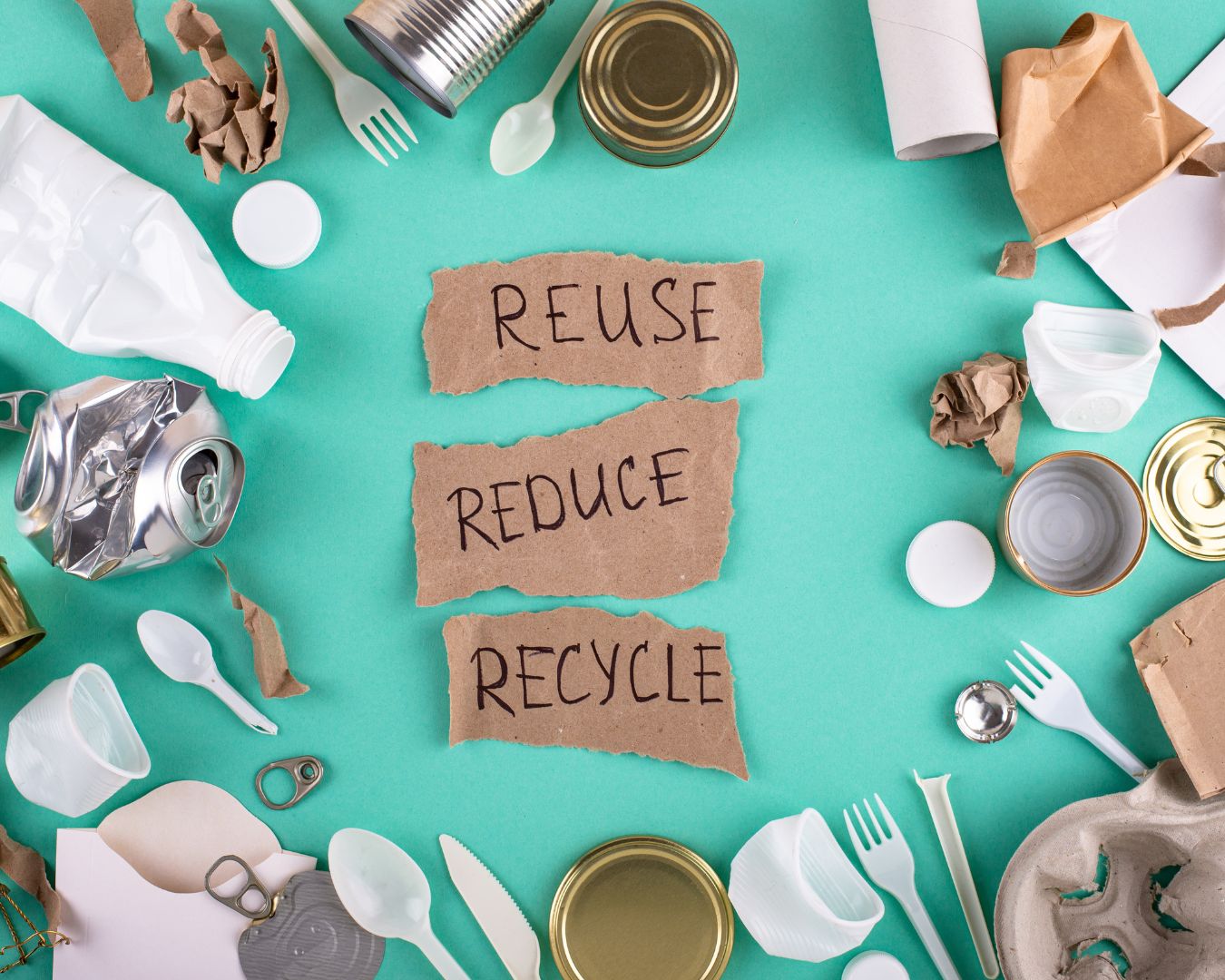
Sustainable Kitchen Practices: Reducing Waste and Energy Consumption

Creating a sustainable kitchen is a powerful way to reduce your environmental footprint. By adopting eco-friendly practices, you can minimize waste, conserve energy, and make more environmentally conscious choices. Here are some effective strategies to help you create a greener kitchen. Composting: Turning Waste into Resource What is Composting? Composting is the process of recycling organic waste, such as food scraps and yard trimmings, into a valuable soil amendment. It reduces the amount of waste sent to landfills and provides nutrient-rich compost for your garden. How to Start Composting: Energy-Efficient Appliances Benefits of Energy-Efficient Appliances: Energy-efficient appliances consume less electricity, reducing your energy bills and environmental impact. Look for the ENERGY STAR label when purchasing new appliances. Top Energy-Efficient Appliances: Tips for Using Appliances Efficiently: Reducing Food Waste Plan and Shop Wisely: Proper Storage: Creative Leftovers: Choosing Sustainable Materials for Kitchen Renovations Eco-Friendly Materials: Energy-Efficient Lighting: Sustainable Cleaning Practices Green Cleaning Products: Reduce Single-Use Items: Adopting sustainable kitchen practices is a meaningful way to contribute to a healthier planet. By composting, using energy-efficient appliances, reducing food waste, choosing sustainable materials for renovations, and embracing green cleaning practices, you can create an eco-friendly kitchen that benefits both your household and the environment. Start making small changes today, and watch as they add up to a significant positive impact over time.

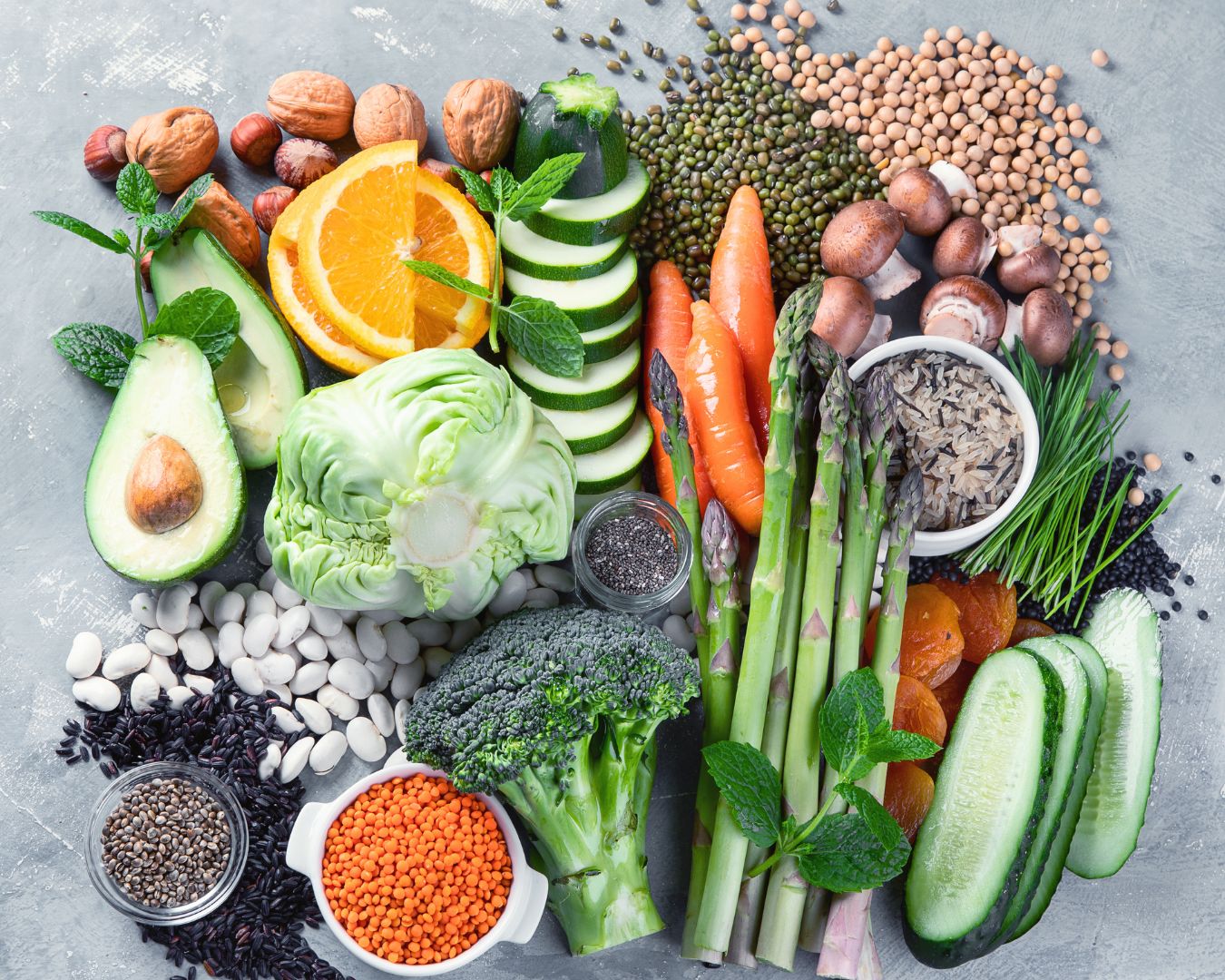
Embracing a Plant-Based Diet: A Guide to Healthier Living

A plant-based diet emphasizes foods derived from plants, offering numerous health benefits and supporting sustainable living. Whether you’re considering a vegetarian, vegan, or flexitarian approach, this guide will help you understand the basics, benefits, and how to get started with a plant-based lifestyle. What is a Plant-Based Diet? A plant-based diet focuses on consuming whole, minimally processed foods that come from plants. This includes fruits, vegetables, grains, nuts, seeds, and legumes. While it primarily emphasizes plant foods, the extent to which animal products are included can vary: Benefits of a Plant-Based Diet Getting Started with a Plant-Based Diet 1. Transition Gradually 2. Explore Plant-Based Protein Sources 3. Focus on Whole Foods 4. Plan Balanced Meals 5. Experiment with Recipes Examples of Plant-Based Meals Breakfast Lunch Dinner Snacks Tips for Success Embracing a plant-based diet is a positive step towards improving your health, supporting the environment, and promoting animal welfare. By incorporating more plant-based meals into your diet and exploring a variety of delicious and nutritious foods, you can enjoy the many benefits of this lifestyle. Start small, stay curious, and enjoy the journey to a healthier you!

Family Camping Food Preparation: Tips and Recipes for a Delicious Outdoor Adventure

Camping with family is a wonderful way to bond, enjoy nature, and create lasting memories. One of the key aspects of a successful camping trip is food preparation. With a little planning and the right recipes, you can ensure that everyone is well-fed and happy. Here’s a guide to help you prepare delicious meals for your next family camping adventure. Planning and Preparation 1. Meal Planning 2. Pre-Camp Preparation 3. Packing Essential Camping Cooking Gear Easy and Delicious Camping Recipes 1. Campfire Breakfast Burritos 2. Foil Packet Dinners 3. Campfire Chili 4. Grilled Veggie Skewers 5. S’mores Snack Ideas Tips for a Successful Camping Cooking Experience With a bit of planning and preparation, family camping food can be both delicious and hassle-free. By choosing simple, nutritious recipes and organizing your cooking gear, you can enjoy tasty meals that make your outdoor adventure even more enjoyable. So pack up your gear, gather your family, and get ready for a fun-filled camping trip with great food!

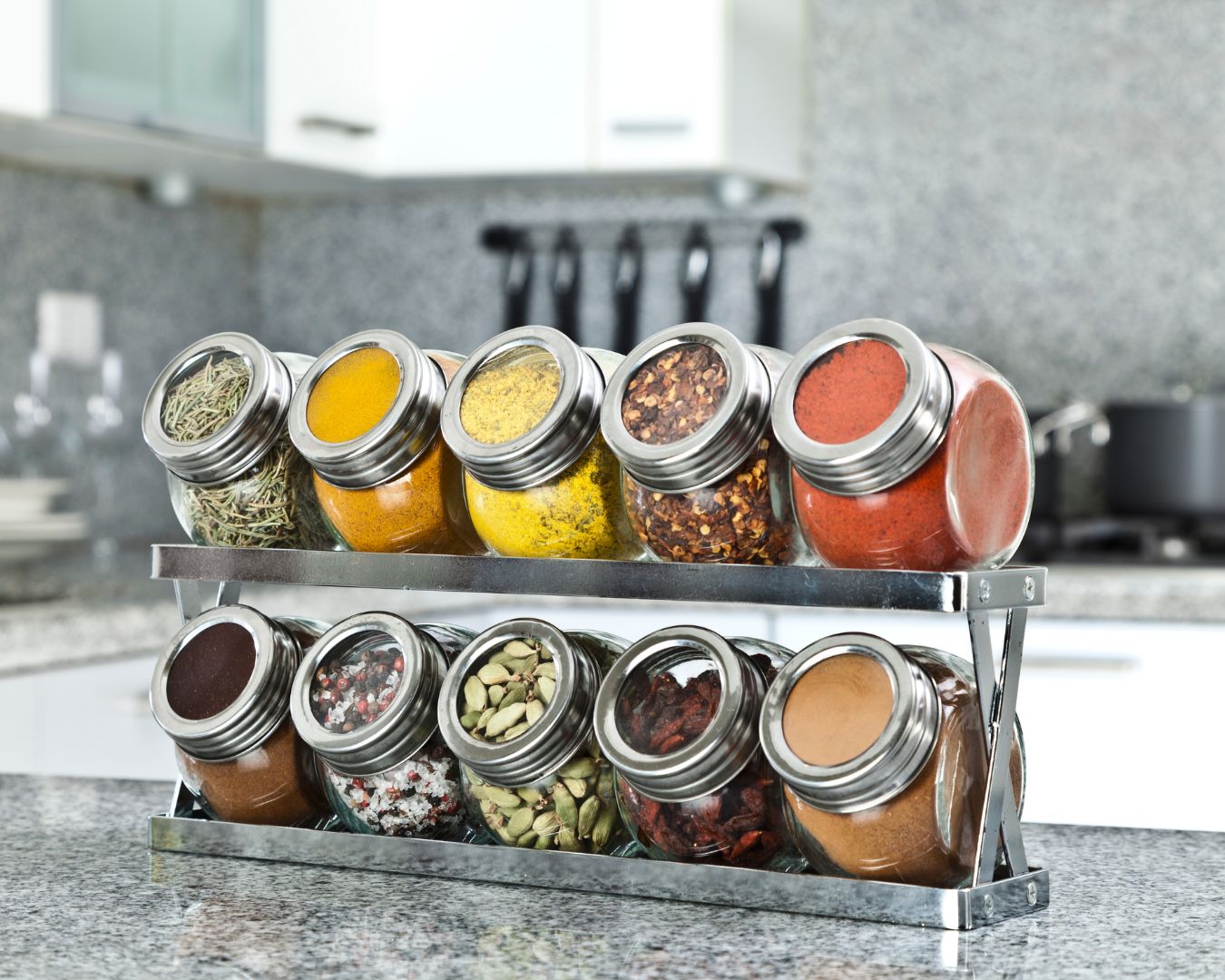
Organizing and Cleaning Your Spice Rack: Tips for a Fresh and Tidy Kitchen

A well-organized spice rack is a game-changer in any kitchen. It keeps your spices fresh, easily accessible, and free from dust and spills. Here are some practical tips to help you organize and clean your spice rack, transforming it into a functional and tidy space. Empty and Clean Your Spice Rack Before you start organizing, it’s essential to empty and thoroughly clean your spice rack. Follow these steps: Procedure: Check Expiration Dates Spices lose their potency over time. Checking the expiration dates is crucial to ensure your spices are fresh and flavorful. Procedure: Sort and Categorize Your Spices Organizing your spices into categories makes them easier to find and use. Procedure: Choose the Right Storage Solutions Selecting the right storage solutions can make a big difference in keeping your spice rack organized and accessible. Ideas: Label Everything Clear labeling is key to maintaining an organized spice rack. Procedure: Store Spices Properly Proper storage is essential for keeping your spices fresh and flavorful. Tips: Regular Maintenance Maintaining your spice rack regularly ensures it stays clean and organized. Procedure: An organized and clean spice rack not only enhances the functionality of your kitchen but also makes cooking more enjoyable. By following these tips for organizing and cleaning your spice rack, you can keep your spices fresh, easily accessible, and free from dust and spills. Take the time to set up a system that works for you and enjoy the benefits of a well-organized kitchen.