
leftover safety

Leftovers: What Actually Matters for Food Safety

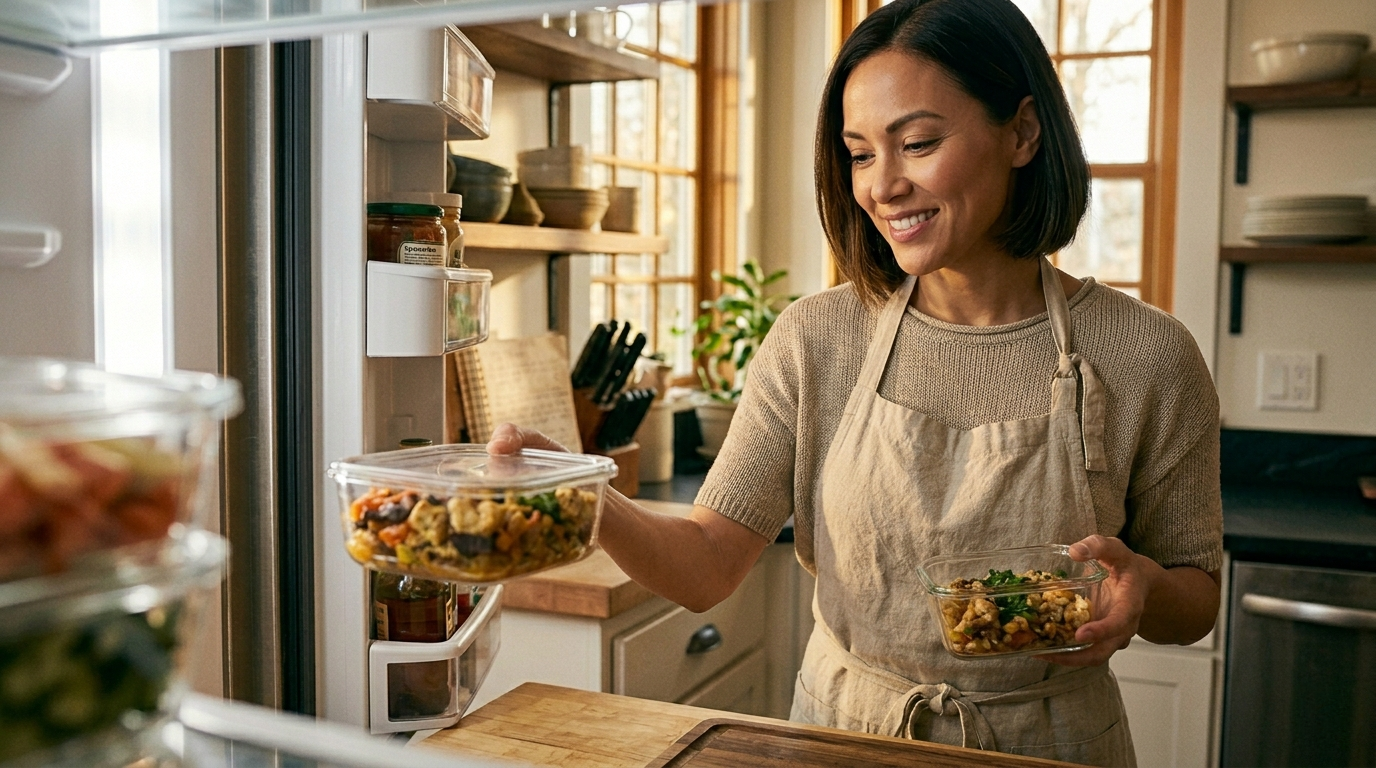
Food safety guidelines about leftovers read like legal disclaimers written by lawyers afraid of lawsuits. Discard after three days. Cool within two hours. Reheat to 165°F. Never leave at room temperature. Some of this advice matters. Much of it is excessive caution designed to protect institutions serving vulnerable populations, not guidance for healthy adults eating home-cooked food. Understanding what actually causes foodborne illness from leftovers lets you make informed decisions instead of following arbitrary rules that waste perfectly good food or create unnecessary anxiety. Here’s what actually matters for leftover safety, what’s overblown caution, and how to store and reheat leftovers without making yourself sick or throwing away edible food. The Two-Hour Rule Is About Temperature, Not Time The standard advice says food left at room temperature for more than two hours becomes unsafe. This oversimplifies what’s actually happening. Bacteria multiply rapidly between 40°F and 140°F—the “danger zone.” Food sitting in this temperature range gives bacteria time to reproduce to potentially dangerous levels. But “two hours” assumes worst-case scenarios: high bacterial load on the food initially, warm room temperature, and vulnerable populations eating it. For most situations with most foods, this timeline is conservative. Hot food cooling on the counter doesn’t spend two full hours in the danger zone. It starts at 180°F or higher and cools through the danger zone gradually. The time actually spent between 40°F and 140°F might be 30-45 minutes, not two hours. Room temperature also matters. Food cooling in a 65°F kitchen behaves differently than food cooling in an 80°F kitchen. Cooler rooms mean faster passage through the danger zone. The type of food affects risk too. High-acid foods like tomato sauce resist bacterial growth better than low-acid foods like rice. Dry foods pose less risk than moist foods. For home cooking eaten by healthy adults, letting dinner cool on the stove for an hour before refrigerating won’t kill you. Institutional guidelines assume cafeterias serving immunocompromised populations—different risk profile than your Tuesday night chicken. Use judgment. If dinner sat out for three hours on a hot summer evening, maybe skip the leftovers. If it cooled for 90 minutes in a cool kitchen and you’re healthy, you’re probably fine. The Three-Day Discard Rule Ignores Your Senses Standard guidance says discard refrigerated leftovers after three to four days regardless of how they look, smell, or taste. This is absurdly wasteful. Three to four days is conservative estimate covering worst-case scenarios with high-risk foods. Many leftovers last a week or more without safety issues. Your nose and eyes detect spoilage effectively. Off smells, visible mold, slimy texture, or color changes indicate spoilage. If leftovers look and smell normal after five days, they’re likely fine. Different foods have different shelf lives. Properly stored cooked grains can last a week. Leafy green salads wilt and become unappetizing after a day but aren’t necessarily unsafe. High-acid tomato sauce lasts longer than cream-based sauce. Storage method dramatically affects longevity. Food in airtight containers lasts longer than food loosely covered. Food stored in shallow containers cools faster and lasts longer than food in deep containers. The three-day rule exists because institutions need blanket policies. They can’t trust cafeteria workers to use judgment about individual containers. Home cooks can and should use their senses. If you’re immunocompromised, pregnant, or feeding young children or elderly people, conservative timelines make sense. Healthy adults can extend timelines for low-risk foods that pass the smell and visual test. Reheating to 165°F Is Overkill for Most Leftovers Food safety guidelines say reheat all leftovers to 165°F. This temperature kills bacteria reliably, but it also turns many foods into dry, overcooked mush. 165°F is the temperature that kills harmful bacteria instantly. Lower temperatures also kill bacteria—they just need more time. Holding food at 145°F for several minutes achieves similar safety to instant 165°F. Reheating guidelines come from institutional settings serving food that might have been mishandled. Commercial kitchens can’t know how long food sat at unsafe temperatures, so they mandate kill-step temperatures. At home, you know your food’s history. If you cooked chicken to safe temperature initially, cooled it properly, and stored it correctly, reheating it to 165°F is redundant. You’re not killing new bacteria—you’re just drying out your chicken. Reheating until steaming hot (around 140-150°F) suffices for most leftovers eaten by healthy adults. This temperature makes food palatable while still heating it adequately. Some foods justify higher reheating temperatures: anything with questionable storage history, foods that sat out too long, or foods being served to vulnerable populations. But last night’s properly-stored pasta doesn’t need blast-furnace reheating. Texture and enjoyment matter. Reheating salmon to 165°F creates dry, chalky fish. Reheating to 140°F keeps it moist while still being perfectly safe given proper initial cooking and storage. Rice Deserves Special Attention, But Not Paranoia The internet is terrified of leftover rice. Articles warn about Bacillus cereus spores surviving cooking and producing toxins in stored rice. This risk is real but overstated. Yes, rice can harbor B. cereus spores that survive cooking. Yes, these spores can germinate and produce toxins if rice sits at room temperature too long. No, this doesn’t mean leftover rice is a death sentence. The actual risk factor is letting cooked rice sit at room temperature for extended periods. Rice sitting out for hours (like at a buffet) allows bacteria to multiply and produce heat-stable toxins that reheating won’t destroy. Properly handled rice poses minimal risk. Cool it quickly after cooking (spread it out rather than leaving it in a deep pot), refrigerate it within an hour or two, and store it in the fridge for up to four to five days. Reheating rice thoroughly kills bacteria (though not pre-formed toxins, which is why proper storage matters). Fried rice, rice pudding, or reheated rice are all safe if the rice was stored correctly. The paranoia around rice exceeds the actual danger. Millions of people eat leftover rice daily without incident. The few cases of B. cereus poisoning usually involve rice sitting at room temperature for many hours—not
Food Safety Basics for Home Kitchens: Protect Your Family with Simple Daily Practices

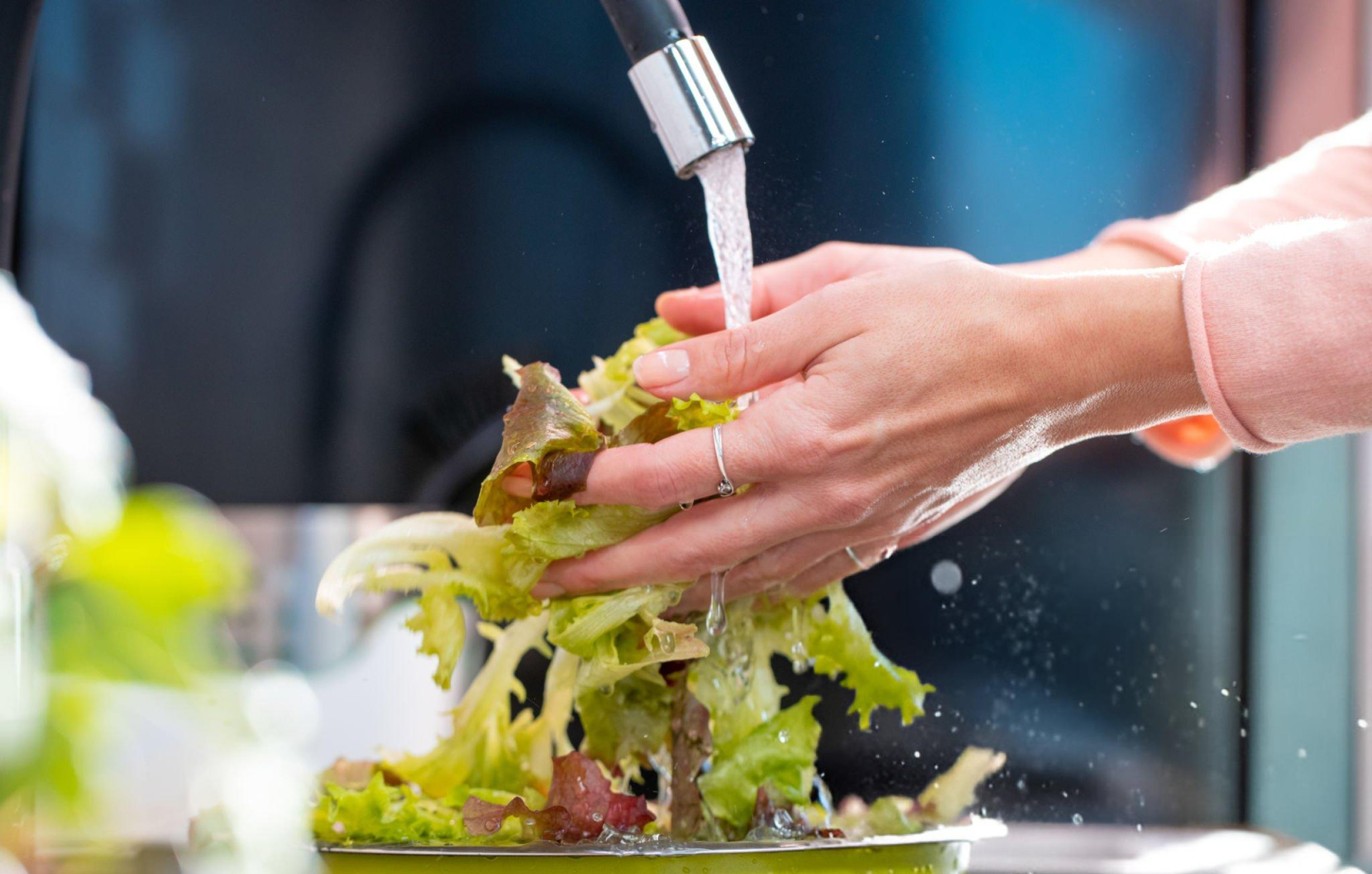
Food safety in home kitchens protects your family from foodborne illnesses that affect millions of people each year. While restaurants follow strict regulations and inspections, home cooks are responsible for implementing food safety practices that prevent contamination and ensure the meals you prepare are both delicious and safe. Understanding basic food safety principles helps you create healthy, enjoyable meals while avoiding the serious health consequences that can result from foodborne pathogens. The good news is that effective food safety doesn’t require complex procedures or expensive equipment. Simple daily practices, proper food handling techniques, and basic knowledge about temperature control can dramatically reduce your family’s risk of foodborne illness while making cooking more confident and enjoyable. Understanding the Four Core Food Safety Principles Food safety experts worldwide agree on four fundamental principles that form the foundation of safe food handling. These principles address the primary ways that foodborne illnesses develop and spread in home kitchens. Clean refers to maintaining proper hygiene for hands, surfaces, utensils, and any items that come into contact with food. Bacteria and viruses can spread rapidly in kitchen environments, making cleanliness your first line of defense against contamination. Separate means preventing cross-contamination between raw and cooked foods, particularly with meat, poultry, and seafood that can harbor dangerous pathogens. Proper separation techniques prevent harmful bacteria from spreading to foods that won’t be cooked to kill pathogens. Cook involves heating foods to internal temperatures high enough to destroy harmful bacteria, viruses, and parasites that can cause illness. Proper cooking temperatures vary by food type but are essential for neutralizing pathogens that cleaning alone cannot eliminate. Chill focuses on maintaining proper refrigeration temperatures that slow bacterial growth while storing foods safely. Temperature control throughout storage, preparation, and serving prevents dangerous bacteria from multiplying to levels that cause illness. These four principles work together to create a comprehensive approach to food safety that addresses contamination prevention at every stage of food handling, from purchase through consumption. Hand Washing: Your Most Important Tool Proper hand washing represents the single most effective way to prevent foodborne illness in home kitchens. Your hands carry bacteria from many sources throughout the day, and they can transfer these contaminants to food, utensils, and surfaces during cooking. Effective hand washing requires warm water and soap for at least 20 seconds, covering all surfaces including between fingers, under nails, and up to the wrists. The mechanical action of scrubbing combined with soap’s ability to break down bacteria membranes makes thorough hand washing highly effective. Critical hand washing moments include before handling food, after handling raw meat or poultry, after using the bathroom, after touching pets, after coughing or sneezing, and after handling garbage. These situations present high risks for transferring contaminants to food. Proper drying with clean towels or air drying prevents recontamination that can occur when using dirty towels or clothing. Paper towels provide the most hygienic drying option, while clean kitchen towels work well if changed frequently. Hand sanitizers can supplement but never replace proper hand washing in food preparation situations. While sanitizers kill many bacteria, they don’t remove physical contaminants and may not be effective against all foodborne pathogens. Teaching proper hand washing to all family members, especially children, creates household habits that protect everyone while instilling lifelong food safety awareness. Safe Food Storage Temperatures and Techniques Proper refrigeration and freezer storage dramatically slow bacterial growth while maintaining food quality and extending safe storage times. Understanding temperature requirements and storage techniques protects your family while reducing food waste. Refrigerator temperatures should be maintained at 40°F or below, while freezers should operate at 0°F or below. Use refrigerator thermometers to verify temperatures regularly, as built-in displays aren’t always accurate and temperature fluctuations can occur. The “danger zone” between 40°F and 140°F allows bacteria to multiply rapidly, potentially doubling every 20 minutes under optimal conditions. Minimizing time in this temperature range is crucial for preventing bacterial growth that causes illness. Proper storage containers and wrapping prevent cross-contamination while maintaining food quality. Store raw meats on the bottom shelf of the refrigerator to prevent drips from contaminating other foods, and use separate containers for different food types. First-in, first-out rotation ensures older items are used before newer purchases, reducing waste while ensuring foods are consumed within safe timeframes. Label items with purchase or preparation dates to track storage times accurately. Freezing stops bacterial growth but doesn’t kill existing bacteria, so foods must be safe before freezing. Frozen foods maintain safety indefinitely but quality deteriorates over time, making proper packaging and labeling important for maintaining taste and texture. Safe Cooking Temperatures for Different Foods Cooking foods to proper internal temperatures destroys harmful bacteria, viruses, and parasites that can cause serious illness. Different foods require different temperatures because various pathogens have different heat resistance levels. Ground meats require higher cooking temperatures than whole cuts because grinding distributes bacteria throughout the product. Ground beef, pork, and lamb should reach 160°F, while ground poultry needs 165°F for safety. Whole cuts of beef, pork, and lamb are safe at 145°F with a three-minute rest time, allowing residual heat to continue destroying pathogens while maintaining moisture and tenderness. All poultry, including chicken, turkey, duck, and their ground products, must reach 165°F throughout to ensure safety. Poultry harbors bacteria like Salmonella and Campylobacter that require higher temperatures for destruction. Fish and shellfish should be cooked to 145°F or until flesh is opaque and flakes easily with a fork. Some fish may be consumed raw in preparations like sushi, but this requires sushi-grade fish from reputable sources. Eggs should be cooked until both yolks and whites are firm, reaching 160°F for safety. Dishes containing eggs like custards and casseroles also need to reach 160°F throughout. Using accurate food thermometers provides the only reliable way to verify safe cooking temperatures. Visual cues like color changes can be misleading, making thermometer use essential for food safety. Preventing Cross-Contamination in Your Kitchen Cross-contamination occurs when bacteria from one food item spread to another, often from raw meat to