

kitchen cleanliness

Your Kitchen Is Too Clean (And Why That Slows You Down)

Spotless kitchens look beautiful in magazines. They’re also slower to cook in than kitchens with some working mess. The Instagram-perfect kitchen with empty counters, hidden appliances, and no visible ingredients creates friction at every cooking step. You’re constantly retrieving items from storage, clearing space to work, and putting things away mid-process to maintain the aesthetic. Working kitchens have visible tools, accessible ingredients, and surfaces that tolerate temporary mess during active cooking. This doesn’t mean filth or neglect. It means distinguishing between cooking mess and actual dirt, and understanding which cleanliness standards help cooking versus which ones slow it down. Here’s why excessive tidiness creates inefficiency, which mess is actually productive, and how to maintain a kitchen that’s clean enough without being so pristine it’s dysfunctional. Empty Counters Force Constant Retrieval The design aesthetic of clear counters looks stunning. It’s terrible for cooking efficiency. Countertop appliances stored in cabinets require retrieval before each use. Pulling out the blender, finding the lid, setting it up, and returning it afterward adds five minutes to every smoothie. Multiply this across multiple appliances and meals. Frequently-used items deserve counter space. Coffee maker, toaster, knife block, cutting board, and oil bottle sitting out eliminate dozens of retrieve-and-return cycles weekly. The aesthetic argument prioritizes looking at the kitchen over using the kitchen. If you cook daily, optimize for function over appearance. Guests spend minutes looking at your kitchen. You spend hours working in it. Cabinet storage for everyday items creates decision fatigue. Where did I put the pepper grinder? Which drawer has the spatulas? Visible storage eliminates these micro-decisions dozens of times daily. Different items have different storage thresholds. Stand mixer used weekly deserves counter space. Waffle iron used monthly belongs in the cabinet. The distinction is use frequency, not appearance. Empty counters serve people who cook rarely and photograph often. Working cooks need accessible tools. Cleaning While Cooking Interrupts Workflow The advice to “clean as you go” sounds efficient. It’s actually disruptive to cooking flow. Stopping mid-recipe to wash a bowl breaks concentration and momentum. You’re tracking multiple timings, temperatures, and tasks. Interrupting this mental juggling for cleanup fragments attention. Cooking requires sustained focus through multiple overlapping tasks. Pausing to wipe counters or wash dishes interrupts the cooking rhythm creating missed timings and forgotten steps. Better approach: contain mess during cooking, clean after eating. Stack used bowls in the sink. Wipe major spills that create hazards. Leave everything else until food is plated and served. The clean-as-you-go mandate assumes cooking is linear with natural pauses. Real cooking involves simultaneous management of multiple components. Cleaning interrupts this parallelism. Exception: clean during genuine downtime. While something simmers for twenty minutes, washing a few dishes makes sense. But stopping pasta-making to clean the counter actively harms cooking flow. Your kitchen can tolerate some mess for the hour you’re actively cooking. Prioritize cooking well over maintaining pristine surfaces during the process. Visible Spills Aren’t Dirty Tomato sauce splattered on the stovetop during cooking isn’t dirt. It’s evidence of cooking in progress. The obsession with immediately wiping every drip creates constant interruption. You’re stirring sauce, some splatters, you stop stirring to wipe it. Meanwhile the sauce burns because you’re cleaning instead of cooking. Splatter during cooking is temporary mess, not permanent filth. It wipes easily after cooking finishes. Stopping cooking to clean cooking mess is backwards priority. Distinguish between contamination and clutter. Raw chicken juice needs immediate cleanup preventing cross-contamination. Splattered marinara just needs wiping eventually. Cooking generates temporary mess. This is normal and acceptable. The mess serves as workspace evidence, not failure to maintain standards. Clean the splatter after the meal. While food rests or during post-dinner cleanup, wipe everything down. The splatter isn’t getting worse sitting there for thirty minutes while you finish cooking. Stop interrupting cooking to maintain aesthetics. The kitchen can look messy while you cook. That’s what kitchens do. Dish Washing Mid-Recipe Breaks Focus Recipes often instruct “wash bowl and reuse.” This sounds efficient but fragments the cooking process. Stopping to wash a bowl means leaving the stove, scrubbing the dish, drying it, and returning to cooking. This takes three to five minutes. During those minutes, something on the stove needs attention you’re not providing. Using extra bowls is more efficient than stopping to wash. Yes, you’ll wash more dishes later. But washing five bowls consecutively takes less total time than washing one bowl five separate times with interruptions between. The extra dish argument prioritizes minimal dishwashing over efficient cooking. This backwards priority sacrifices cooking quality to save one bowl. Most kitchens own enough bowls and utensils for one meal without washing mid-recipe. If you’re stopping to wash because you’ve run out of bowls, you need more bowls, not better cleaning habits. Cook first, clean after. Don’t let cleaning interrupt cooking. The dishes wait. The food on the stove doesn’t. Ingredient Containers Stay Out During Cooking Putting ingredients away between uses adds steps without benefit during active cooking. You use olive oil five times during one meal. Retrieving it from the cabinet and returning it five times adds ten trips. Leaving it on the counter during cooking eliminates unnecessary movement. The container sitting out for thirty minutes doesn’t suffer. Oil doesn’t degrade from brief counter exposure. Neither do spices, flour, or other cooking ingredients. After cooking finishes, return everything at once. One trip putting five items away beats five trips putting one item away repeatedly. This applies to tools too. The spatula used for three different cooking steps stays out until the meal completes. Washing and storing between each use is pointless efficiency theater. Kitchen efficiency favors batch actions over constant tidying. Retrieve everything needed at the start, use as needed, return everything at the end. Stop the retrieve-use-return-retrieve cycle mid-cooking. Cutting Board Cleaning Between Tasks Is Excessive Food safety guidelines create excessive cutting board washing requirements for home cooking. The warning against cross-contamination leads to washing the board between every ingredient. This creates constant interruption and generates unnecessary water and soap use. Reasonable approach:
Food Safety Basics for Home Kitchens: Protect Your Family with Simple Daily Practices

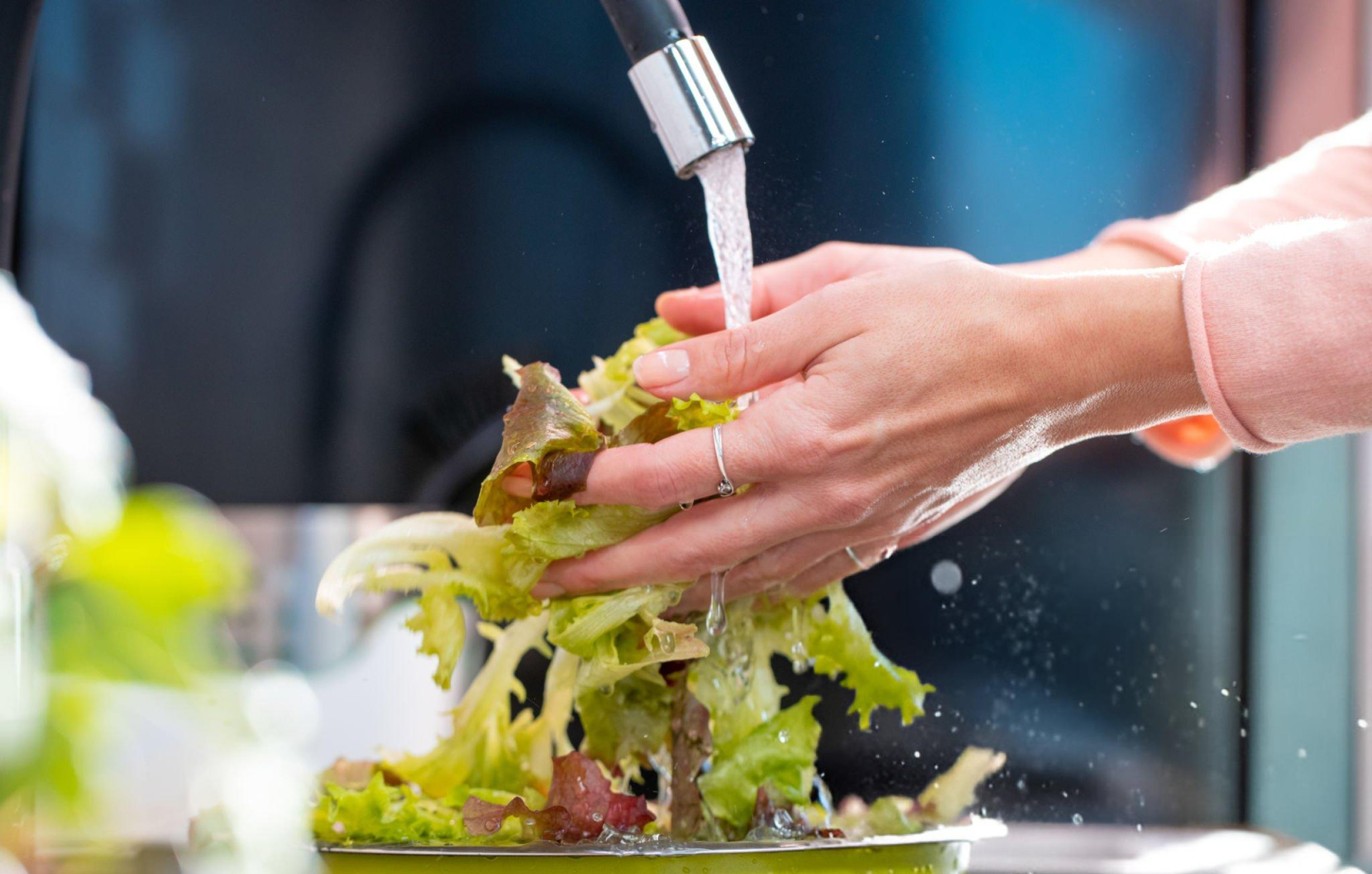
Food safety in home kitchens protects your family from foodborne illnesses that affect millions of people each year. While restaurants follow strict regulations and inspections, home cooks are responsible for implementing food safety practices that prevent contamination and ensure the meals you prepare are both delicious and safe. Understanding basic food safety principles helps you create healthy, enjoyable meals while avoiding the serious health consequences that can result from foodborne pathogens. The good news is that effective food safety doesn’t require complex procedures or expensive equipment. Simple daily practices, proper food handling techniques, and basic knowledge about temperature control can dramatically reduce your family’s risk of foodborne illness while making cooking more confident and enjoyable. Understanding the Four Core Food Safety Principles Food safety experts worldwide agree on four fundamental principles that form the foundation of safe food handling. These principles address the primary ways that foodborne illnesses develop and spread in home kitchens. Clean refers to maintaining proper hygiene for hands, surfaces, utensils, and any items that come into contact with food. Bacteria and viruses can spread rapidly in kitchen environments, making cleanliness your first line of defense against contamination. Separate means preventing cross-contamination between raw and cooked foods, particularly with meat, poultry, and seafood that can harbor dangerous pathogens. Proper separation techniques prevent harmful bacteria from spreading to foods that won’t be cooked to kill pathogens. Cook involves heating foods to internal temperatures high enough to destroy harmful bacteria, viruses, and parasites that can cause illness. Proper cooking temperatures vary by food type but are essential for neutralizing pathogens that cleaning alone cannot eliminate. Chill focuses on maintaining proper refrigeration temperatures that slow bacterial growth while storing foods safely. Temperature control throughout storage, preparation, and serving prevents dangerous bacteria from multiplying to levels that cause illness. These four principles work together to create a comprehensive approach to food safety that addresses contamination prevention at every stage of food handling, from purchase through consumption. Hand Washing: Your Most Important Tool Proper hand washing represents the single most effective way to prevent foodborne illness in home kitchens. Your hands carry bacteria from many sources throughout the day, and they can transfer these contaminants to food, utensils, and surfaces during cooking. Effective hand washing requires warm water and soap for at least 20 seconds, covering all surfaces including between fingers, under nails, and up to the wrists. The mechanical action of scrubbing combined with soap’s ability to break down bacteria membranes makes thorough hand washing highly effective. Critical hand washing moments include before handling food, after handling raw meat or poultry, after using the bathroom, after touching pets, after coughing or sneezing, and after handling garbage. These situations present high risks for transferring contaminants to food. Proper drying with clean towels or air drying prevents recontamination that can occur when using dirty towels or clothing. Paper towels provide the most hygienic drying option, while clean kitchen towels work well if changed frequently. Hand sanitizers can supplement but never replace proper hand washing in food preparation situations. While sanitizers kill many bacteria, they don’t remove physical contaminants and may not be effective against all foodborne pathogens. Teaching proper hand washing to all family members, especially children, creates household habits that protect everyone while instilling lifelong food safety awareness. Safe Food Storage Temperatures and Techniques Proper refrigeration and freezer storage dramatically slow bacterial growth while maintaining food quality and extending safe storage times. Understanding temperature requirements and storage techniques protects your family while reducing food waste. Refrigerator temperatures should be maintained at 40°F or below, while freezers should operate at 0°F or below. Use refrigerator thermometers to verify temperatures regularly, as built-in displays aren’t always accurate and temperature fluctuations can occur. The “danger zone” between 40°F and 140°F allows bacteria to multiply rapidly, potentially doubling every 20 minutes under optimal conditions. Minimizing time in this temperature range is crucial for preventing bacterial growth that causes illness. Proper storage containers and wrapping prevent cross-contamination while maintaining food quality. Store raw meats on the bottom shelf of the refrigerator to prevent drips from contaminating other foods, and use separate containers for different food types. First-in, first-out rotation ensures older items are used before newer purchases, reducing waste while ensuring foods are consumed within safe timeframes. Label items with purchase or preparation dates to track storage times accurately. Freezing stops bacterial growth but doesn’t kill existing bacteria, so foods must be safe before freezing. Frozen foods maintain safety indefinitely but quality deteriorates over time, making proper packaging and labeling important for maintaining taste and texture. Safe Cooking Temperatures for Different Foods Cooking foods to proper internal temperatures destroys harmful bacteria, viruses, and parasites that can cause serious illness. Different foods require different temperatures because various pathogens have different heat resistance levels. Ground meats require higher cooking temperatures than whole cuts because grinding distributes bacteria throughout the product. Ground beef, pork, and lamb should reach 160°F, while ground poultry needs 165°F for safety. Whole cuts of beef, pork, and lamb are safe at 145°F with a three-minute rest time, allowing residual heat to continue destroying pathogens while maintaining moisture and tenderness. All poultry, including chicken, turkey, duck, and their ground products, must reach 165°F throughout to ensure safety. Poultry harbors bacteria like Salmonella and Campylobacter that require higher temperatures for destruction. Fish and shellfish should be cooked to 145°F or until flesh is opaque and flakes easily with a fork. Some fish may be consumed raw in preparations like sushi, but this requires sushi-grade fish from reputable sources. Eggs should be cooked until both yolks and whites are firm, reaching 160°F for safety. Dishes containing eggs like custards and casseroles also need to reach 160°F throughout. Using accurate food thermometers provides the only reliable way to verify safe cooking temperatures. Visual cues like color changes can be misleading, making thermometer use essential for food safety. Preventing Cross-Contamination in Your Kitchen Cross-contamination occurs when bacteria from one food item spread to another, often from raw meat to