
pantry organization

The Pantry Organization That Stays Organized (Without Clear Containers)

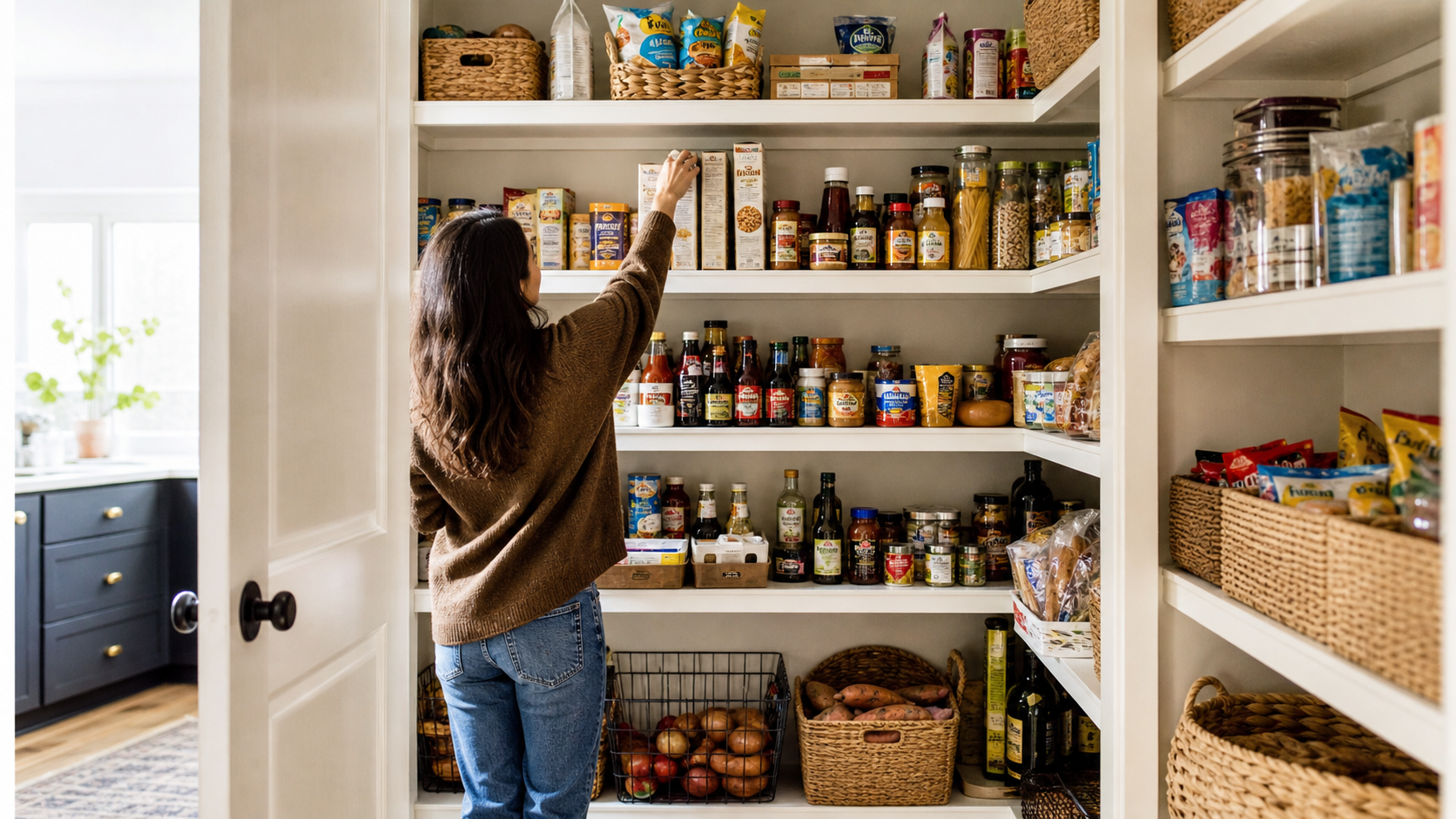
Pinterest pantries look like product photography. Everything decanted into matching clear containers. Perfect labels. Color-coordinated. Zero chance you’ll maintain it past the first grocery run. Those elaborate pantry systems fail because they fight against how you actually use food. They add steps between grocery bags and cooking. They require constant maintenance and perfect discipline. They assume you buy the same items in the same quantities every single week. Real pantry organization works with your habits, not against them. It accommodates irregular shopping, varied package sizes, and cooking patterns that change weekly. It stays organized through actual use rather than falling apart the moment reality hits. Here’s why Instagram pantries fail, what actually keeps pantries functional long-term, and how to organize food storage without buying fifty matching containers. Decanting Everything Creates More Work The aesthetic pantry photos show flour, sugar, pasta, and rice transferred from original packaging into clear containers. This looks beautiful and functions terribly. Transferring food adds steps. Instead of opening package and using contents, you’re opening package, pouring contents into container, labeling container, and discarding package. This happens for every shelf-stable item you buy. You’ll do this enthusiastically for the first shopping trip. By the third trip, half the items stay in original packaging while the other half live in containers. Now you’ve got inconsistent storage making items harder to locate. Package information matters. Cooking instructions, expiration dates, ingredient lists, and nutritional information live on original packaging. Transfer food to containers and you’re searching for discarded boxes every time you need cooking temps or allergen information. Container sizing creates problems. That flour container holds exactly one standard bag. Buy a different brand or size and it doesn’t fit. Now you’ve got partial bags plus containers creating more chaos than original packaging alone. Most people don’t use food fast enough to justify decanting. If you’re buying flour monthly, keeping it in the bag works fine. Decanting makes sense only when buying enormous bulk quantities needing portioning into smaller working amounts. The clear container aesthetic fights against practical food storage. Save your money and cabinet space. Perfect Labels Are Maintenance Hell Elaborate labeling systems require updating labels constantly as you swap between different brands, flavors, and sizes throughout the year. That beautiful chalkboard label saying “pasta” works until you’ve got three pasta shapes stored together. Now you need labels specifying penne, rigatoni, and fusilli. But next month you buy different shapes and need new labels. Printed labels from label makers look perfect initially but become outdated immediately. Product changes, you buy different varieties, labels no longer match contents. Peeling off labels and replacing them becomes a chore you’ll skip. Expiration date tracking on labels assumes you’ll update them. Write purchase dates or expiration dates on containers and you’re committing to maintenance every shopping trip. Miss one update and your system becomes unreliable. Label clarity matters more than label beauty. If you can see the contents through original packaging or clear bags, you don’t need labels. Only label truly ambiguous items where visual identification fails. The time spent labeling and updating labels exceeds the time saved from having labels. Most pantry items are visually identifiable without text labels screaming their identity. Zone Organization Beats Container Organization Instead of matching containers, organize by how you actually cook. Group items used together regardless of what containers they live in. Baking zone contains flour, sugar, baking powder, baking soda, vanilla, chocolate chips—everything you grab when baking. Doesn’t matter if they’re in original packaging, bags, or mismatched containers. They’re together when needed. Pasta zone holds pasta shapes, pasta sauce, canned tomatoes, Italian seasonings. Asian cooking zone groups soy sauce, rice vinegar, sesame oil, rice. Mexican cooking zone contains tortillas, beans, salsa ingredients, taco seasonings. Zone organization works with how you think while cooking. You’re not thinking “I need something from the ‘grains’ category.” You’re thinking “I’m making stir-fry.” Grouping Asian ingredients together supports this thought process. Zones accommodate varied packaging without looking chaotic. Bottles, boxes, bags, and cans sitting together make sense when they’re all part of taco night even if they don’t match aesthetically. Adjusting zones happens naturally as your cooking evolves. Start making more Indian food and create an Indian zone. Stop baking regularly and the baking zone shrinks. Zones adapt to your changing habits without requiring new containers. The zone approach focuses on function over form. It’s less photographable but more usable. Visibility Matters More Than Uniformity You’ll use what you can see. Hidden food gets forgotten and wasted regardless of how perfectly organized the hiding system is. Deep shelves create visibility problems. Items at the back disappear behind front items. Out of sight means out of mind and eventual expiration. Single-row depth prevents hiding. Shallow shelves where everything sits in one row guarantee visibility. Every item remains visible without moving other items. Risers and tiered organizers work when deep shelves can’t be avoided. Stair-step arrangement brings back items forward making them visible despite shelf depth. Clear front containers help only if you can actually see their contents. Containers buried behind other containers provide no visibility advantage over opaque packaging. Vertical space matters for visibility. Tall items block short items. Store tall items toward the back or sides, short items toward the front where you can see them over taller neighbors. The most organized pantry with perfect containers still fails if you can’t see what you have. Visibility prevents buying duplicates of items already owned and ensures food gets used before expiring. Inventory Systems Nobody Maintains Pantry inventory lists promise to track what you have and what needs restocking. In reality, nobody updates them consistently enough to remain accurate. The inventory list works perfectly until the first time you grab something without updating the list. Once the list becomes even slightly inaccurate, trusting it becomes impossible. Multiple household members doom inventory systems. You track items carefully. Your partner grabs pasta without noting it. The list says you have pasta. You don’t have pasta. The system has failed. Scanning apps and smart
Kitchen Storage Solutions for Every Budget: Maximize Space Without Breaking the Bank

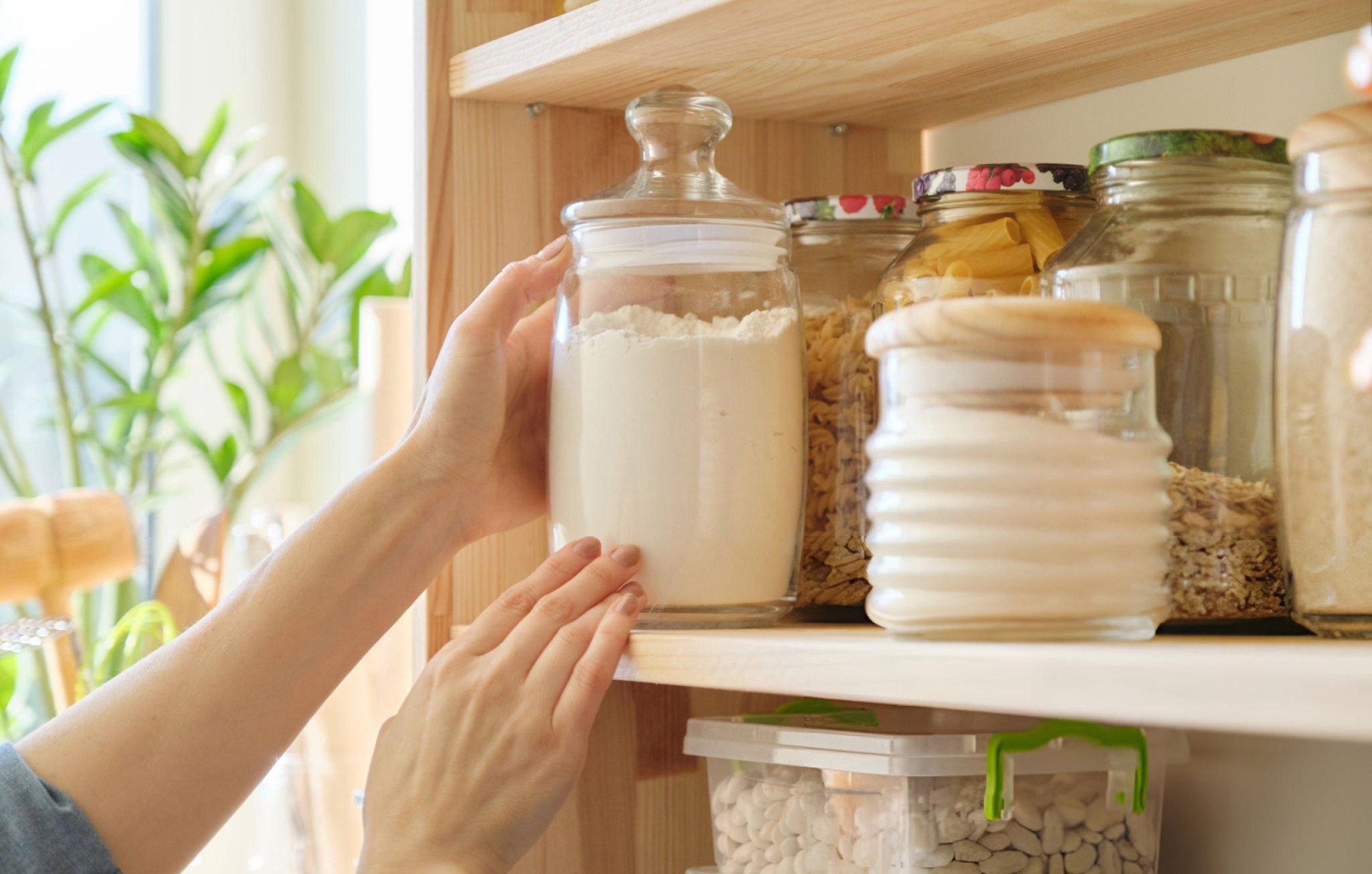
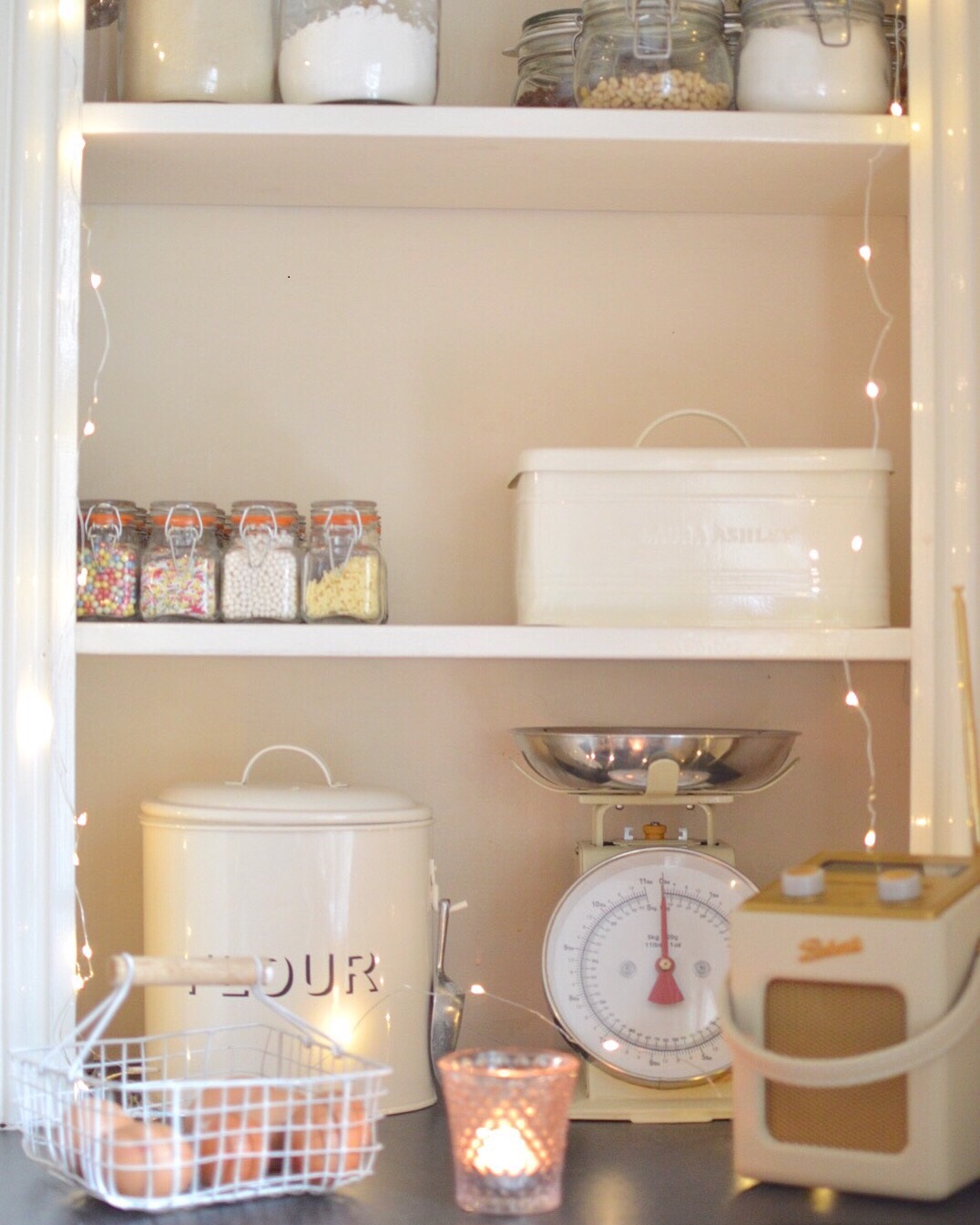
Kitchen storage challenges affect nearly every household, regardless of kitchen size or budget. Whether you’re dealing with a tiny apartment kitchen or a spacious home that somehow still lacks adequate storage, the good news is that effective solutions exist at every price point. You don’t need expensive renovations to dramatically improve your kitchen’s organization and functionality – sometimes the most impactful changes come from creative thinking and smart use of affordable storage products. The key to successful kitchen storage lies in understanding your specific needs and priorities before shopping for solutions. A well-organized kitchen with thoughtful storage makes cooking more enjoyable, reduces daily frustration, and can even help reduce food waste by making it easier to see what you have. This guide provides storage solutions across various budget ranges, helping you create a more organized kitchen regardless of how much you can invest. Free and Nearly Free Solutions (Under $25) The most effective storage improvements often cost little to nothing, requiring only time and creativity rather than significant financial investment. These solutions provide excellent starting points for kitchen organization. Decluttering represents the single most effective free storage solution. Removing items you don’t use, duplicate tools, and expired pantry items immediately frees space while making remaining items easier to find and access. Reorganizing existing storage by grouping similar items together improves functionality without costing anything. Place items used together near each other, store frequently used items at convenient heights, and relocate rarely used items to less accessible areas. Repurposing containers you already own creates organization without purchases. Mason jars, shoe boxes, and food containers can organize drawers, pantries, and cabinets effectively when cleaned and repurposed thoughtfully. Vertical stacking using items you own maximizes cabinet height. Dinner plates, bowls, and storage containers can be stacked more efficiently with simple reorganization that uses available vertical space. Door-mounted storage using over-the-door hooks or hanging organizers (often under $15) adds storage without installation. These inexpensive solutions work on cabinet doors, pantry doors, or even the backs of kitchen doors. Tension rods placed vertically in cabinets create dividers for baking sheets, cutting boards, and pot lids. These simple tools (usually under $10) transform chaotic cabinet spaces into organized storage. Budget-Friendly Solutions ($25-$100) This price range offers numerous effective storage products that provide significant organization improvements without major financial investment. These solutions work well for renters or those on tight budgets. Drawer organizers and dividers create designated spaces for utensils, tools, and small items. Quality plastic or bamboo organizers in this price range keep drawers functional and prevent the chaos of loose items. Stackable shelf risers effectively double cabinet space by utilizing vertical height. These simple platforms allow stacking canned goods, spices, or dishes in two levels where you previously had one. Clear storage containers for pantry organization make inventory visible while keeping food fresh. A set of quality containers in various sizes typically falls within this budget while dramatically improving pantry functionality. Pull-out cabinet organizers that don’t require installation provide accessibility to items stored deep in cabinets. These slide-out baskets or shelves make back corners usable without permanent modifications. Magnetic knife strips mount easily and free up drawer or counter space while keeping knives accessible and safe. Quality magnetic strips cost $20-40 and last for years. Under-shelf baskets that hang from existing shelves create additional storage without tools or installation. These simple additions work in cabinets or pantries to utilize wasted vertical space. Lazy Susans for corner cabinets or deep pantry shelves make items accessible that would otherwise get lost. These rotating platforms range from $15-50 depending on size and quality. Spice rack solutions including drawer inserts, wall-mounted racks, or countertop organizers tame spice chaos while keeping seasonings visible and accessible. Quality spice organization in this price range significantly improves cooking efficiency. Mid-Range Solutions ($100-$300) This investment level allows for more substantial improvements that provide long-term value while still remaining accessible to most budgets. These solutions often involve multiple products or higher-quality organizational systems. Pull-out drawer systems that retrofit into existing cabinets provide accessibility without full cabinet replacement. Professional-quality sliding mechanisms improve function dramatically while costing a fraction of new cabinets. Pantry organization systems with adjustable shelving, baskets, and containers create comprehensive solutions. Complete pantry makeovers using quality organizational products typically fall in this range. Pot rack systems that hang from ceilings or mount to walls free up significant cabinet space while making cookware easily accessible. Quality pot racks provide both function and visual interest. Custom drawer inserts designed specifically for utensils, knives, or spices maximize drawer efficiency. These precision-fit organizers use every inch of drawer space effectively. Rolling kitchen carts provide additional storage, prep space, and flexibility. Quality carts with drawers, shelves, and butcher block tops serve multiple functions while remaining mobile. Appliance garages or small cabinet additions can be installed to hide countertop appliances while keeping them accessible. These additions typically require professional installation but provide clean countertop appearance. Open shelving installation using quality materials creates functional and attractive storage. While requiring installation, open shelves cost significantly less than new cabinets while providing excellent storage. Corner cabinet solutions including specialized lazy Susan systems or pull-out mechanisms transform problematic corner spaces into functional storage. These specialized products maximize difficult spaces effectively. Higher-End Solutions ($300-$1,000) This investment level provides comprehensive improvements or multiple coordinated solutions that significantly transform kitchen storage and functionality. These solutions offer long-term value and durability. Complete pantry systems with custom components including pull-out drawers, adjustable shelves, and integrated organization create comprehensive solutions. Professional pantry systems maximize every inch while providing beautiful organization. Cabinet organizers for entire kitchen sections including pull-out trash systems, corner solutions, and drawer systems create cohesive organization throughout multiple cabinets. Kitchen island additions or modifications provide substantial storage increases along with workspace. Small islands or kitchen carts at this investment level offer significant functionality. Built-in wine storage or beverage centers free refrigerator space while providing specialized storage. These dedicated systems keep bottles at optimal temperatures while improving kitchen organization. Appliance lifts and hidden storage systems for stand mixers

Spring Cleaning 101: 5 Tips for Quick Pantry Organization

Circumstances may have you feeling overwhelmed with a lot of cans and dry goods you wouldn’t normally be dealing with all at once. Conquer your clutter with these five easy tips from Cosmo Appliances to help organize your pantry. Utilize the Door The backs of your pantry doors may all be dead space. If you’ve got a gap between door and shelving, consider hanging a wire rack with smaller items that otherwise get easily lost or shuffled to the back. Stack Food Containers If you can never find the matching lids to your Tupperware, this one’s for you! Take five minutes to organize your storage containers by size on the shelf, then make a vertical rack to store the matching lids.  (Have a lid for a container that’s MIA? you have our permission to repurpose it or get rid of it. We won’t tell anyone.) Sort by Category Keeping shelves to a theme can help you find things faster. Group your granola bars, and stash your salty snacks together so they’re easy to find when you have a craving Cycle your shelves As you’re buying new boxed goods, take the extra second as you’re putting away groceries to pull the oldest boxes forward, and put the new box behind them. That way you’re not left with expired food. Hang it up If you have wire shelving in your pantry, you can use hooks and chip clips to hang up small items and lightweight bagged goods, freeing up shelf space, and, as a bonus, keeping you from accidentally crushing your chips. We hope these tips help you keep your pantry feeling fresh!  For more recipes, tips and ideas, visit us at cosmoappliances.com, and like our Facebook page athttps://www.facebook.com/cosmokitchenproducts