
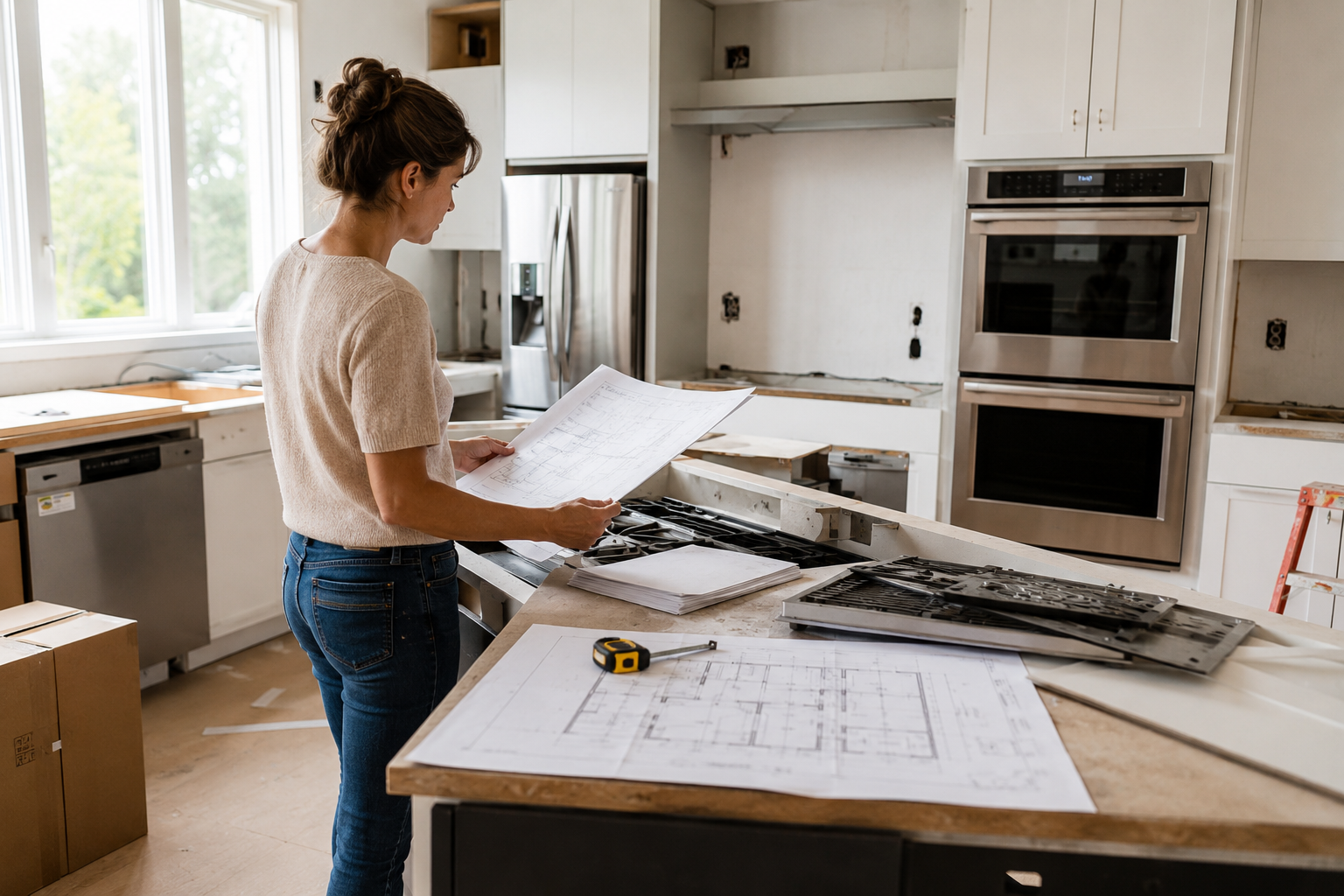
What Nobody Tells You About Buying Kitchen Appliances During a Renovation
Kitchen renovations expose a specific category of mistake that people who’ve never done one before don’t anticipate and people who have done one before wish someone had warned them about. These aren’t mistakes about tile selection or cabinet finishes — they’re appliance mistakes, and they’re particularly costly because appliances are expensive, often non-returnable once installed, and sometimes reveal their problems only after surrounding cabinetry, countertops, and flooring are already completed and paid for.
The challenge isn’t that appliance buying is complicated in isolation. Buying a refrigerator for an existing kitchen is straightforward. The challenge is that renovation appliance buying happens simultaneously with dozens of other decisions, under time pressure from contractors, with lead times that don’t always cooperate with construction schedules, and with information that’s incomplete until too late to change course. Understanding where these decisions go wrong helps you sequence them correctly and avoid the specific traps that renovation projects create.
Order of Operations Matters More Than Most People Realize
The single most consequential mistake in renovation appliance buying is treating appliance selection as something you can do after other decisions are finalized. It needs to happen first, or at minimum simultaneously, because appliances determine requirements that everything else must accommodate.
Appliances Drive Cabinet Dimensions: Built-in appliances — dishwashers, wall ovens, refrigerators, wine coolers, microwave drawers — have precise cutout dimensions that cabinets must match exactly. If you finalize cabinet orders before confirming appliance dimensions, you risk cutouts that don’t fit. A wall oven that’s a half-inch taller than the cabinet opening means either returning the oven, modifying the cabinet (expensive and sometimes impossible), or living with a gap that looks unfinished.
Appliances Drive Utility Rough-In Locations: Where gas lines, electrical circuits, and water connections end up in your walls and floors must match where your chosen appliances need them. Rough-in work happens early in renovation — before drywall, before cabinets, often before tile. If you haven’t selected appliances when rough-in happens, contractors make educated guesses about utility locations. These guesses are sometimes wrong in ways that create expensive corrections later.
Countertop Cutouts: Drop-in cooktops require counter cutouts made after countertop installation. The cutout dimensions come from the cooktop specifications. Ordering countertops before confirming cooktop selection and dimensions creates situations where installers cut openings that don’t match what arrives weeks later.
Lead Times Compound: Some appliances have lead times of 8-16 weeks or longer, particularly high-end models or anything on backorder. If you select appliances late in the renovation process, construction may complete before appliances arrive, leaving you with a finished kitchen you can’t use. Or contractors return for a second trip to do appliance installation, adding cost and scheduling complexity.
The Showroom Problem
Appliance showrooms are designed to sell appliances under conditions that don’t reflect how those appliances will look or work in your actual kitchen. Understanding this gap protects you from decisions that look good in the showroom but feel wrong at home.
Display Appliances Stand Alone: Showroom appliances sit on display pedestals or in demonstration kitchen vignettes with generous surrounding space. Your kitchen has different dimensions, different cabinet heights, different counter depths, and different sight lines. An appliance that looks appropriately sized in a showroom may look massive or oddly small in your actual space.
Finishes Look Different in Context: Stainless steel, matte black, and other finishes look different under showroom lighting than under the natural light and specific fixture types in your kitchen. A finish that appears warm and refined under showroom spotlights might look cold or flat under your actual lighting conditions. If possible, bring photos of your kitchen — ideally with the lighting on — when evaluating finishes in showrooms.
You Can’t Hear Operational Noise: Showrooms are loud environments with multiple appliances running, background music, and ambient conversation. The dishwasher that seems quiet in the showroom might be noticeably loud in your open-plan kitchen that connects to your living room. Noise specifications exist for exactly this reason — use them rather than relying on showroom impressions.
Door and Drawer Swing in Your Space: Refrigerator doors, dishwasher doors, and oven drawers all require clearance to open fully. In a showroom, these open without obstruction. In your kitchen, a refrigerator positioned near a wall or perpendicular cabinet might have its door blocked before it reaches full open, preventing access to shelves or drawer compartments.
Measuring for Appliances Is More Involved Than It Seems
Appliance measurements that seem straightforward in theory reveal complications in actual kitchens that aren’t always obvious until something doesn’t fit.
Height Variations Matter: Standard counter height is 36 inches, and most appliances are designed around this. But actual counter heights in older homes sometimes vary. Custom kitchen designs sometimes deviate from standard heights for ergonomic or aesthetic reasons. Appliances designed for standard height installations may sit slightly proud or recessed in non-standard situations.
Depth Includes Handles and Hinges: Refrigerator and dishwasher depth specifications typically measure the appliance body only, not handles and door hinges that extend beyond it. An appliance specified at 30 inches deep might actually extend 33-34 inches into the room once handles are included. In tight kitchen layouts where every inch of aisle width matters, this discrepancy affects traffic flow in ways that become daily annoyances.
Diagonal Delivery Clearance: Large appliances — refrigerators especially — often can’t travel in a straight line from the delivery truck to their installation position. They need to be tilted diagonally to navigate doorways, hallways, and turns. The diagonal measurement of a refrigerator (corner to corner) determines whether it can physically reach its intended location. People occasionally receive appliances they can’t install because the delivery path doesn’t accommodate diagonal clearance.
Opening Widths: Measure every doorway, hallway, and turn between the building entrance and the appliance’s final position. Standard interior doorways are 32-36 inches wide. A 36-inch wide refrigerator won’t pass through a 32-inch doorway without removing the doors — both the doorway door and sometimes the refrigerator doors as well. Know this before delivery day.
Ventilation Clearances: Built-in and integrated appliances specify minimum clearances on sides, top, and back for air circulation that cooling and ventilation systems require. These clearances affect cabinet dimensions and appliance positioning in ways that must be accounted for during planning rather than discovered during installation.
The Delivery and Installation Gap
Appliance delivery and installation are two separate things that don’t automatically happen together, and the gap between them creates problems people consistently underestimate.
Delivery Drops, Installation Installs: Standard appliance delivery brings the appliance to your kitchen and positions it in the general area. It does not include gas line connection, electrical hardwiring, water line hookup, or built-in installation that requires securing to cabinetry. These tasks require separate installation appointments with qualified tradespeople — plumbers for gas and water connections, electricians for hardwired appliances.
Scheduling Stacking: You need the appliance delivered before installation can happen. You need installation to happen before the kitchen is functional. If delivery is delayed, installation gets pushed, which pushes your functional kitchen date. Building buffer into your renovation timeline specifically for appliance delivery delays prevents this from derailing your entire project schedule.
Haul-Away Logistics: Delivery companies offer old appliance haul-away for a fee, but they typically only remove appliances from the same location they’re delivering to. If your renovation involves staging old appliances in a garage or driveway while work proceeds, haul-away may not be available for appliances that aren’t in their original installation position. Arrange separate disposal for appliances that move during renovation.
Installation Costs Aren’t Included in Appliance Prices: Budget separately for installation. A gas range installation requiring a licensed plumber costs $200-400 beyond the appliance price. A hardwired built-in oven requiring an electrician adds similar cost. Water line installation for refrigerator ice makers and dishwashers adds more. These costs are predictable if you plan for them and surprising if you don’t.
Finishes Across Appliances Are Harder to Match Than Expected
Coordinating finishes across multiple appliances from different manufacturers or even different product lines within the same manufacturer creates matching challenges that showrooms rarely acknowledge.
Stainless Steel Isn’t Universal: Different manufacturers produce stainless steel with different grain directions, surface textures, and undertones. One brand’s stainless may have a slightly warmer tone than another’s cooler, bluer version. When multiple appliances from different manufacturers sit adjacent in the same kitchen, these variations become visible and create a slightly mismatched appearance that’s difficult to fix without replacing appliances.
Finish Names Mislead: “Matte black” from one brand may differ from “matte black” from another in sheen level, surface texture, and actual color tone. “Fingerprint-resistant stainless” finishes vary between manufacturers in both fingerprint resistance performance and subtle appearance differences. Seeing appliances from different brands in person, ideally side by side, before finalizing a mixed-brand kitchen suite helps avoid visible mismatches.
Panel-Ready Solutions: High-end kitchens increasingly use panel-ready appliances where cabinet panels cover appliance fronts, creating visual uniformity regardless of the appliances behind the panels. This approach solves finish matching entirely but adds significant cost and requires careful planning during cabinet design to accommodate the panel dimensions and appliance access requirements.
Timeline Effects on Availability: Appliances selected during renovation planning may be discontinued or face extended backorder delays by the time you’re ready to order. If you’re planning a full kitchen suite and want matching finishes, order everything at the same time even if some appliances arrive before they’re needed. Storing an appliance briefly is far less problematic than discovering a specific finish is no longer available months after you’ve installed the others.
What Happens When Something Arrives Damaged
Appliance damage during shipping happens with enough frequency that knowing the correct response before it happens protects you from expensive situations.
Inspect on Delivery: Inspect every appliance for visible damage before signing the delivery receipt. Once you sign, accepting responsibility for the appliance’s condition becomes significantly more complicated to dispute. Check exterior panels, corners, handles, and any visible interior components. Note any damage on the delivery paperwork before signing.
Hidden Damage Timeline: Internal damage not visible during delivery inspection sometimes only appears during first use — a refrigerator that doesn’t cool properly, an oven with a faulty heating element, a dishwasher that leaks. Most manufacturers and retailers have damage claim windows, typically 30-72 hours for visible damage and 30 days for performance issues discovered during first use. Know these windows and use them if problems arise.
Installed Appliance Returns: Once an appliance is installed — connected to gas, electrical, or water — return and replacement policies often change. Some retailers consider installation as acceptance of the appliance’s condition. Others maintain return rights regardless of installation status. Understanding your specific retailer’s policy before installation determines whether you should test an appliance before completing installation or whether installation is required to identify problems.
Packaging Retention: Keep packaging materials until installation is complete and the appliance has run through its first full operational cycle without issues. Repackaging damaged appliances for return requires the original materials, and replacement packaging from manufacturers can be difficult to obtain quickly.
The Renovation Appliance Budget Trap
Renovation budgets consistently underestimate appliance costs in ways that create financial pressure at exactly the wrong moment.
The Floor Model Temptation: Renovation stress and budget pressure make floor models and open-box appliances attractive. These can represent genuine savings, but they carry risks that new appliances don’t — uncertain use history, potential hidden damage from customer handling, reduced or eliminated manufacturer warranty, and no guarantee of matching availability if a companion appliance is needed later.
Budget Creep Direction: Appliance budgets almost always creep upward rather than downward during renovation. You visit a showroom planning to buy a mid-range range and find yourself drawn to the model with the features you actually want, which costs significantly more. Plan for this by building a buffer into your appliance budget or deciding explicitly before showroom visits which features matter enough to justify premium pricing.
Renovation Discount Timing: Appliance sales are seasonal and predictable. Major sales events in September and October (when new models arrive and previous year models go on sale), holiday weekends, and year-end inventory clearance offer genuine savings. If your renovation timeline has any flexibility, timing appliance purchases around these events saves meaningful money without compromising on product selection.
The Incomplete Suite Problem: Buying appliances piecemeal over time — the range now, the refrigerator later, the dishwasher when the budget recovers — creates the finish matching problems described earlier while also losing potential suite discount pricing that retailers often offer when multiple appliances are purchased together. If budget requires phasing purchases, at minimum confirm finish availability for later purchases before completing the first one.
What Actually Matters in Long-Term Appliance Satisfaction
Post-renovation appliance regret tends to cluster around a specific set of issues that buyers underweighted during selection.
Noise in Open Plans: Modern kitchen layouts open to living spaces make appliance noise far more significant than it was in closed kitchens. Dishwasher, refrigerator, and range hood noise all carry into adjacent spaces in ways that affect daily living rather than just cooking time. Buyers who prioritize appearance and feature sets over noise specifications in open-plan kitchens consistently regret it.
Control Interface Longevity: Touch controls look contemporary but have a shorter functional lifespan than mechanical controls in kitchen environments. Moisture, heat, and grease exposure degrade touch sensors over years of use. Buyers who selected appliances partly for their sleek touch interfaces sometimes find themselves dealing with unresponsive controls several years into ownership.
Service Availability: Premium and niche appliance brands sometimes have limited service networks, making repairs expensive and slow when components fail. Before committing to an unusual brand based on showroom appeal, verify that service technicians familiar with that brand operate within reasonable distance.
The Features You Actually Use: Post-renovation surveys of homeowners consistently reveal that many premium appliance features go unused after initial novelty wears off. Specialty cooking modes, connected home integrations, and complex programmable functions that seem compelling during selection rarely become part of actual cooking routines. Features that address specific, regular cooking tasks provide lasting value. Features that sound impressive in a showroom often don’t.
Kitchen renovations are expensive, time-consuming, and stressful enough without appliance decisions adding avoidable complications. Getting the sequencing right — selecting appliances before finalizing cabinets and rough-in work, ordering early enough to accommodate lead times, planning for installation separately from delivery — removes the most common and costly mistakes from the process. The decisions themselves are easier when you make them under the right conditions rather than under time pressure with construction crews waiting.