How-To

The Ultimate Kitchen Spring Cleaning To-Do List

Spring is here! Warmer weather, longer days, and thanks to that extra dose of Vitamin-D we’re feeling more energetic. It’s the perfect time for some spring cleaning and we’re ready to make our homes sparkle and shine! The kitchen is one room in the house that gets messy fast, and since it’s our favorite room, that’s where we’ll start our spring refresh.  Here’s a simple deep cleaning step-by-step routine for the kitchen.  Having an order in which to clean your kitchen makes getting the job done much simpler and faster. Everything seems easier when you have a plan. PRE-CLEAN: Wash, dry and put dirty dishes  away any. Quickly clear counter tops and wipe clean. Clear any clutter that does not belong in the kitchen. Determine if you need new kitchen supplies. Clean under the sink and eliminate the unnecessary. Clean and organize plastic ware and storage containers.  GATHER KITCHEN CLEANING MATERIALS Get all of your kitchen cleaning materials so you have everything on hand. Running around looking for cleaning supplies e.g. cloths, sponges etc. wastes time. Here’s a list of suggested items you might need:  Sponges.  Cleaning cloths.  Gloves.  Toothbrush.  All-purpose, non-abrasive cleaner.  Stainless steel cleaner, if you have stainless steel appliances.  Glass cleaner.  Lysol wipes.  Caddy or basket for cleaning supplies.  Telescoping duster.  Steam mop or conventional mop and bucket.  Vacuum or broom and dustpan  Empty basket or box. PANTRY When you’re getting things organized in the kitchen the pantry is one area that needs some special attention. To begin, check labels and toss expired, stale and empty items also, go through and top up old herbs and spices. Consider donating unopened items that you won’t use before they expire.  Wipe down all shelves with soapy water or kitchen cleaner. After wiping down the shelves, create a separate area for open items, arrange like items together with the oldest items in front; newest in back.  MICROWAVE  Simply, place a bowl filled with water and slices of lemon into the microwave and heat for 5 minutes. The lemon water boils like a sauna, loosening up all the caked on bits. The inside of your microwave gets dirty with splatters and splashes but cleaning it is “easy peasy lemon squeezy” with this cleaning hack. THE FRIDGE Like the Pantry, the refrigerator gets filled up quickly so first thing to do is go through the contents of your refrigerator and remove all expired or spoiled food. Wipe down the shelves with a soft rag and a non-abrasive all-purpose cleaning agent. Work from top to bottom. Place the crisper drawer in the sink to soak, if you need to. If not, just wipe it out and replace it. For a deep clean, unplug the fridge, pull it out, sweep and mop.   Finish with a new box of baking soda stuffed in the back.  STOVETOP No kitchen spring clean is complete if you don’t tackle the stovetop.  Using a dry cloth, brush loose crumbs to the ground. Remove the grates, if your stove has them, and wipe the stovetop with a non-abrasive cleaning agent. OTHER APPLIANCES Clean and/or polish exterior of dishwasher.   For the interior of your oven follow the manufacturer’s instructions to run self-cleaning cycle, if you don’t have this feature Baking soda and vinegar will do the trick. Then clean and polish the exterior of oven. Don’t forget to clean your small countertop appliances, e.g. coffee maker, toaster and toaster oven. CLEAN SINK, COUNTERTOP & CABINETS Free counter space is hard real estate to come by, especially in a smaller kitchen, so get rid of all the clutter from countertops first; try to get them as clear as possible, including countertop appliances. Only keep items out that you  use regularly.  Spray countertops with kitchen cleaner and wipe them clean. Tip! to make granite shine you can use glass cleaner. Wipe down cabinet exteriors and polish wood cabinet doors with furniture polish. Remember to clean inside cabinets and drawers, they tend to gather dust and crumbs. FLOORS Start by removing any movable furniture, then sweep the entire floor. Spot clean sticky or dirty areas with stains. Mop the floor with a heavy duty floor cleaner or use a solution of equal parts vinegar and hot water. The vinegar acts as a natural disinfectant and odor remover. THE WALLS Wipe down the walls, determine if the walls need spot washing in dirty spots don’t forget to clean air vents, doorknobs, doors, and switch plates. DUST Use a telescoping duster and dust the entire kitchen, starting up high and working your way down. Don’t forget light fixtures, the top of cabinets and the fridge. LINENS You may regularly launder your dish towels, but things like runners, oven mitts, and aprons get overlooked, so this is a good opportunity to throw them in the washing machine. GARBAGE DISPOSAL This spot is generally full of germs and can emit all sorts of odors! Give it a thorough flush with hot water, ice cubes, and lemon peels. THE SINK  Fill your sink with hot soapy water and pour in 1 cup bleach. Let stand for about an hour, then empty and scrub clean using a paste made from water and baking soda. Rinse well. EMPTY TRASH Finally, wipe down the outside of the bin and lid. Lysol wipes are excellent for this purpose. Place a fresh garbage bag in the bin. FINAL TOUCHES  You’re all done! Your kitchen is spotless and boy, does it sparkle!  Now add pretty touches with these quick and easy fresh Spring decor ideas. Because kitchen countertops are already at a premium to make the most of your décor, use a tray or cake stand to display smaller decorative items.  Remember to include soft spring colors and fruit & flowers of the season are perfect counter pieces.  We like fresh flowers and greenery because they look amazing on a kitchen counter. Other decorative pieces we like are wooden cutting boards,  you can lean them against your backsplash or stack them under decorative pieces.

Put Your Convection Oven to the Test with These Delicious Recipes

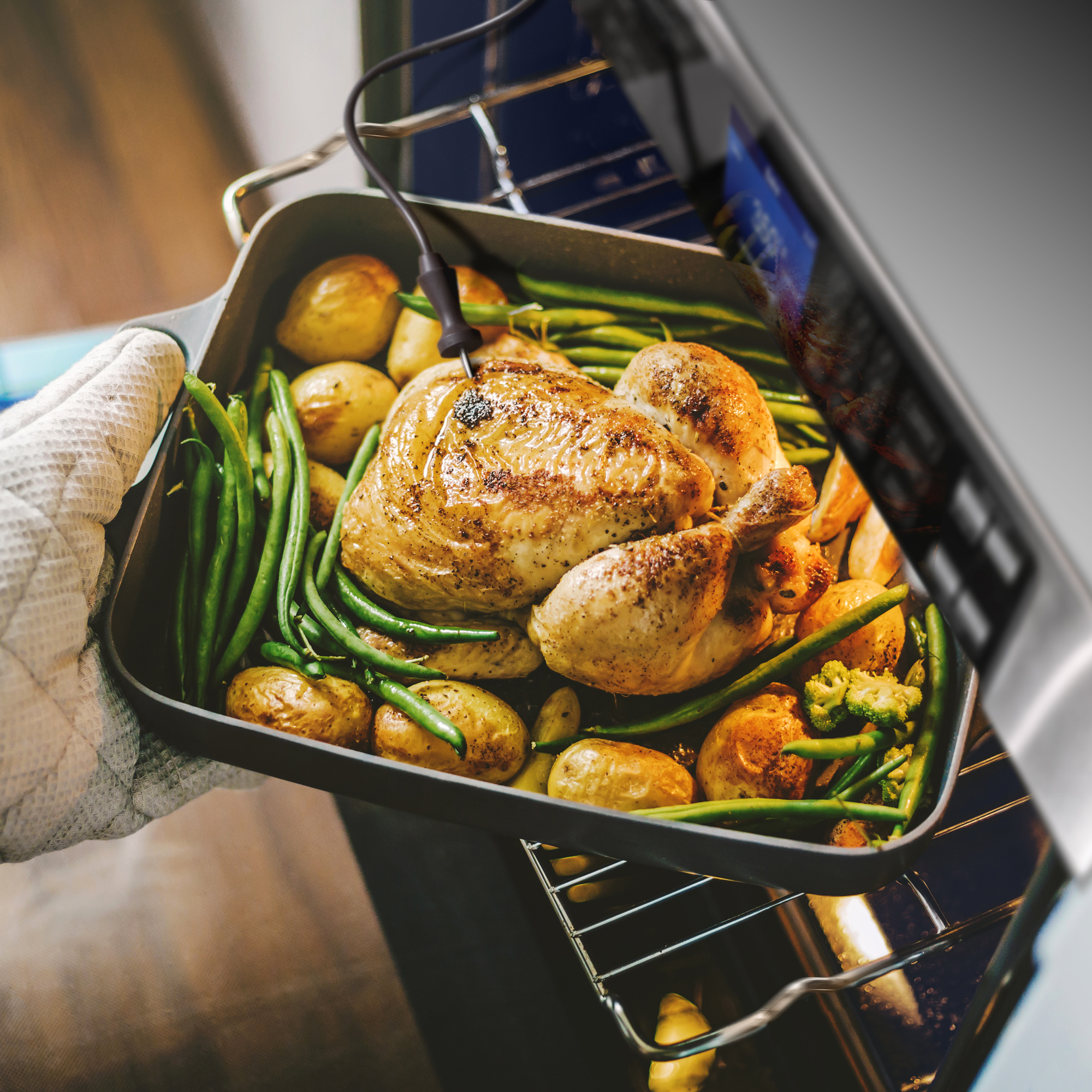
If you’re trying to figure out how best to cook with your convection oven, we’ve got some helpful advice and delicious recipes to get you started. Cooking Tips: Cooking simple dishes (like cookies) or shorter cooking times, lower the expected temperature by 10-15 percent. Cooking complex dishes (like roasts) that require a lot of time, lower the temperature by as much as 30 percent. Convection is good for: Roasting ham, turkey, roast-ready beef cuts, and similar meats Roasting vegetables and potatoes for an extra crisp Cookies and muffins—especially when you have a big batch to bake at once.  Pies and pastry Casseroles—when covered they won’t lose much moisture. Toasting breads or buns   Maple Balsamic Roasted Vegetables Vegetables roasted with rosemary and olive oil, then finished with a drizzle of maple balsamic reduction. These vegetables are a must for your next dinner party. Prep Time: 20 minutes Total Time: 1 hour 10 minutes Recipe by foodnessgracious Ingredients 1 1/2 pounds whole thin rainbow carrots 1 1/2 pounds sweet potatoes peeled chopped into 1 inch cubes 2 small red onions cut into thick chunks 1/2 pound rutabagas peeled and diced 1 1/2 pounds parsnips peeled and sliced thinly 1/3 cup olive oil 2 tsp sea salt 2 tsp black pepper 1 tsp fresh chopped rosemary 1 1/2 tbsp dry herb de provence 1 cup maple syrup 1/4 cup balsamic vinegar Instructions Preheat the oven to 350 degrees F. In a large bowl combine all of the vegetables. Add the oil, salt, pepper, herbs and rosemary and toss to coat well. Place the vegetables on a large roasting pan or two baking sheets, making sure they are all level and not on top of one another. Place in the oven and cook for about 45 minutes, checking that the point of a sharp knife spears the vegetables easily. When the vegetables are cooking in the oven, place the maple syrup and balsamic vinegar in a pan and bring to a boil. Reduce the heat and simmer slowly until it has reduced by about half and is nice and thick. Once the vegetables are ready, lightly drizzle some of the syrup over them and return to the oven for 5 more minutes. Serve warm or store in the refrigerator until ready to use. HOMEMADE ROTISSERIE CHICKEN  Who loves Rotisserie Chicken? just about everyone. Rotisserie Chicken is so tasty, juicy, convenient, and it’s just the recipe you need to keep in your arsenal.Chicken rotisserie marinade 4+ pound Whole chicken .5 bottle lemon juice .25 cup white wine .25 cup extra virgin olive oil Chicken rotisserie rub 1 tablespoon Honey 3 tbsp unsalted butter 1/4 cup brown sugar 4 tsp garlic powder 1/2 teaspoon dried oregano 1/4 teaspoon dried thyme 1/4 teaspoon dried basil Kosher salt and freshly ground black pepper Marinade instructions Clean cavity of whole chicken, wash and pat dry. Combine all marinade ingredients and mix. Pour into a large freezer bag and add the whole chicken. Refrigerate for 4-6 hours. Rub instructions Remove chicken from the marinade. Melt the butter and honey in the microwave and mix. Evenly brush the butter and honey mixture on and inside the chicken. Mix all of the dry ingredients and apply it to the entire chicken. Tuck wings underneath chicken and truss the legs together with twine. Run rotisserie rod through the cavity of chicken and insert the rotisserie forks into the skin of the chicken. At 350 degrees F, a whole chicken takes about 20 to 30 minutes per pound to cook. Therefore, a 4-pound chicken should take 1:20 – 2 hours to cook. Use a meat thermometer to test the internal temperature. When chicken reaches 175 to 180 degree F, it is done. Old Meatloaf  Perfect the preparation of a meatloaf by combining  conventional and convection oven performance for the perfect meatloaf dish.  Prep Time: 45 minutes Cook Time: 1 hour 30 minutes Recipe by Scott Basye  Ingredients 1 cup fresh bread crumbs(soft white bread) 1/3 cup milk 1 1/2 pounds ground chuck (85/15) 1/2 pound ground pork (not lean) 2 tablespoons butter 1 large onion, diced 2 celery stalks, diced 1 medium carrot, diced 2 garlic cloves, minced 1/2 cup creme fraiche 2 eggs, beaten 2 teaspoons Worcestershire sauce 1 teaspoon dry mustard powder 1 teaspoon paprika 2 tablespoons fresh parsley, chopped 1 1/2 teaspoons kosher salt 1 teaspoon freshly ground black pepper 6 slices bacon 1 cup ketchup 2 tablespoons brown sugar 1 tablespoon Dijon mustard 1/4 teaspoon freshly grated nutmeg Instructions Preheat oven to 350°F. In a small bowl place bread crumbs and drizzle the milk over the top. Set aside. Melt the butter in a large skillet, add the onion, celery and carrot. Sprinkle with a pinch of salt and cook, stirring occasionally until vegetables are soft, but not browned. Add garlic and cook for another 2-3 minutes. Remove from heat, scrape into a small bowl and allow to cool to room temperature (about ten minutes). In another bowl, whisk together the beaten eggs, creme fraiche and Worcestershire sauce. In a large bowl place the beef and pork, add the breadcrumb mixture, vegetables, egg mixture and the rest of the ingredients except the bacon, ketchup, brown sugar and mustard. Use your hands to thoroughly combine the meatloaf ingredients and then place into an large ovenproof baking dish. Lay five strips of bacon lengthwise over meatloaf; cut the remaining bacon strip in half and place at each end of loaf. Place in oven and set timer for 45 minutes. Meanwhile combine Ketchup, Brown Sugar, Mustard and Nutmeg and set aside. At the end of 45 minutes, set oven to convection and cook meatloaf for another 15 minutes. When completed, remove meatloaf from oven and pour or brush glaze all over the surface of the bacon (it’s ok if some drizzles down into the pan). Place back in over and bake for an additional 15 minutes until the glaze is bubbling. Remove from oven and let sit for 15 minutes. Serve! Huevos Rancheros Bake This is a flavorful dish that checks all the boxes for a  yummy weekend brunch, or a breakfast-for-dinner moment.  Prep Time: 35 minutes Total Time: 1 hour 45 minutes Recipe by Tablespoon Kitchens Ingredients

How to Elevate Your Cooking Experience with a Convection Oven

Why are Convection ovens becoming more and more popular with home cooks? Primarily because they’re faster, more efficient, and they make more delicious results than regular ovens. Even though a lot more homes have convection-capable ovens, many cooks still don’t know how to use them. So we’ve compiled some information that will help you feel confident using your convection oven. Understanding Your Convection Oven First, “convection” is a setting on your oven and your oven has a button that enables the convection feature.  Convection ovens can be gas or electric, so when the convection setting is off, you’ll experience all the advantages and disadvantages of cooking in those respective ovens. What happens when that convection setting is on? The oven uses fans to circulate hot air and cook food more rapidly than a traditional oven. Instead of relying on radiated heat from heating elements, a convection oven spreads the hot air so it envelopes food and cooks it from all sides. There are different types of convection: Convection and True Convection. Convection is your normal oven, but with an added fan on the back to circulate air. When shopping confirm that the oven has this third heating element around the fan. True Convection or ‘European convection,’ features a heating element behind the fan, allowing for better cooking results than standard convection.   Tips for getting more out of convection Adjust the Recipe Follow the rule of 25, when using True convection experts recommend adjusting any recipe in two ways.   1. Lower the oven’s temperature by about 25 degrees and 2. Expect the food to be ready about 25% faster than the recipe suggests, so reduce the cooking time by roughly 25%. Keep in mind variables such as initial oven temperature, quantity of the food, desired level of doneness, and oven model will all affect cooking time. Experiment with the temperature or cooking time, also start checking early and often until you get used to cooking the convection way. Air Supply To be effective air must circulate over and around the food when using your convection oven. Use trays and baking pans with lower sides that allow hot air to flow freely. You should place trays and pans in a way that they don’t hinder effective circulation. Use shallow roasting pans and rimless cookie sheets when possible. Try to keep a two-inch clearance on all sides. Do not cover the ovens shelves with aluminum foil. Avoid overcrowding the oven Remember, convection relies on air being able to circulate air, avoid overcrowding the oven and blocking the flow of air.  When you use multiple racks try not to fill the racks wall-to-wall and make sure you monitor the dishes for browning. When to Use the Convection Setting When you’re roasting Foods like meat and vegetables, convection immediately sears the food, locks in juices and continues to cook it faster, more evenly, and the drier environment yields crispy skin and caramelizes much better. When baking convection heat melts fat and forms steam quicker, which helps create more lift in pies and pastries. When baking a big batch of cookies, with convection you’re not limited to making one tray at a time.   When you’re toasting or dehydrating, convection is efficient at removing moisture as quickly as possible. When Not to Use the Convection Setting Not all foods are suited for convection cooking method. The fan disrupts delicate dishes that start out as batter and set while cooking like cakes, soufflés, breads, and custard. Blowing air on these foods can create lopsided results. Don’t use convection when making these foods: *While some argue that convection creates even browning and a great crust, others say that it dries out the interior of bread. The choice here is really up to you.

Healthy Recipes with Big Flavor

Maintaining a healthy lifestyle includes a variety of commitments, from exercising to eating right. However, serving up healthy meals doesn’t have to be boring. Taco-Stuffed Spaghetti Squash Prep time: 30 minutesCook time: 50 minutes Servings: 4 INGREDIENTS 2 spaghetti squash (2 pounds each) 6 tablespoons extra-virgin olive oil, divided 1 teaspoon salt, plus additional to taste, divided pepper, to taste 1 pound ground chicken 1 cup diced red onion, divided 3 cloves garlic, minced 1 can (14 ounces) diced tomatoes 1 teaspoon cumin 2 teaspoons chili powder 1 can Black Ripe Sliced Olives 1 lime, juice only 1 cup Monterey Jack cheese 1 avocado, diced 1 large tomato, diced 1 jalapeno, minced 1/2 cup Lindsay Black Ripe Medium Olives 1 lime, wedged DIRECTIONS: Heat oven to 400° F. In microwave, cook one whole squash 3 minutes. Repeat with second squash. Cut each in half and scrape out seeds. Drizzle 1 teaspoon oil over each half and rub around until insides are coated. Sprinkle each with salt and pepper, to taste; place on parchment-lined baking sheet center down to lay flat. Bake 50 minutes. Heat large sauté pan over medium-high heat. Put 2 teaspoons oil in pan then chicken, 3/4 cup onion and garlic. Cook until chicken is cooked through. Add tomatoes, cumin, chili powder and remaining salt; stir to combine. Bring mixture to boil and cook, uncovered, 15 minutes to reduce liquid, stirring occasionally. Remove from heat. Stir in sliced olives and lime juice. When squash is cooked, scrape insides with fork to release from edge then create nest. Put 1/4 of chicken mixture and 1/4 cup cheese in each squash half. Bake 5 minutes, or until cheese is melted. Top with avocado, diced tomatoes, remaining onions, jalapeno, whole olives and lime wedges. Mediterranean Chicken and Grain Bowl Servings: 6 INGREDIENTS  8 ounces farro or brown rice 6 cups spinach, stems removed 1 1/2 cups diced seedless cucumbers 1 1/2 diced tomatoes 6 thin slices red onion    3 cups cauliflower florets 3/4 cup balsamic vinaigrette 3 cups cooked skinless chicken breast 6 tablespoons fat-free or low-fat crumbled feta cheese 3 tablespoons kalamata olives DIRECTIONS:  Cook farro according to package instructions. On serving plate, place 1/2 cup farro. Around farro, arrange 1 cup spinach; 1/4 cup cucumber; 1/4 cup tomatoes; 1 slice red onion, separated into rings; and 1/2 cup cauliflower. Drizzle balsamic vinaigrette over salad. Top with 1/2 cup chicken and garnish with 1 tablespoon feta cheese and 1 1/2 teaspoons olives. Repeat with additional servings.  Curry-Spiced Tofu with Asian Vegetables Servings: 4 INGREDIENTS: 12 ounces light, extra-firm tofu, drained and patted dry, cut into four slices 1 tablespoon, plus 1 1/2 teaspoons, curry powder, divided 12 ounces packaged fresh stir-fry vegetables 1 tablespoon water 2 teaspoons canola oil 1 teaspoon toasted sesame oil 1 large onion, cut into 3/4-inch wedges 4 large garlic cloves, minced 1/4 cup light coconut milk 1/4-1/2 teaspoon chili garlic sauce DIRECTIONS: Put tofu on large plate. Sprinkle tofu on both sides with 1 tablespoon curry powder. In large microwaveable bowl, microwave vegetables and water on high 2-3 minutes, or until vegetables are almost tender-crisp. Pour off remaining water. In large nonstick skillet, heat canola oil over medium-high heat, swirling to coat bottom. Cook tofu in single layer 3-4 minutes on each side, or until browned. Transfer to separate large plate. Cover loosely to keep warm. In same skillet, heat sesame oil over medium-high heat, swirling to coat bottom. Cook onion 1 minute, stirring frequently. Stir in vegetables and garlic. Cook 1-2 minutes, or until vegetables are tender-crisp, stirring constantly. Stir in coconut milk, chili garlic sauce and remaining curry powder. Bring to boil over medium-high heat. Spoon vegetable mixture over tofu.

Bakers Edition: How to Create a Better Kitchen

Whether you’re whipping up a big batch of extra fudgy brownies for a school bake-sale or crafting a delicate three-tier Orange Cardamom Cake with Rose Buttercream for a special occasion, we have practical tips and advice for the ultimate kitchen layout, tools, and equipment so you can turn your kitchen into a bakers dream. Do you love to bake? Here are some great ways to make your kitchen work for you. Custom Counter Heights  Different tasks call for different countertop heights. Home cooks serious about baking may want to consider custom countertop heights to achieve the most comfortable height. A counter-height surface works fine when mixing or assembling recipes. For kneading or rolling out dough, most bakers prefer a lower surface to get the right amount of leverage. To achieve this, you can Install countertops at a custom height or lower a section of an island so it’s the right height.  For a simpler solution, stand on a step stool and use a counter or use a kitchen table to achieve the most comfortable height. Previous Next Turn to Your Pantry  Baking often requires lots of ingredients and bulky countertop equipment, so pantry organization is the key to maintain a pristine kitchen. Install pull-out and horizontal pantry drawers that help you easily access your baking supplies. If you have enough space, consider putting your baking station inside your pantry. Also consider extra shelving for mixer storage. Organizing the pantry into specific sections and using bins with airtight lids allow for easier access when you need the basics – flour, sugar, brown sugar, chocolate chips, etc. Previous Next The Right Work Station  Granite and marble stay cool, making pastry dough easy to roll and clean up easily. Other baker-friendly countertops that can accommodate rolling, cutting and direct heat with no fuss are Quartz and Corian. If you can’t afford to install a whole slab, purchase a small marble section specifically for baking, or place marble on the kitchen island. Previous Next Double Ovens If what you are looking for is more baking and less waiting, double ovens are a bakers dream. They’re Spacious and versatile enough to accommodate your needs and allow a baker to cook two dishes at different temperatures at the same time. The double ovens, with convection are a must as the Convection ovens work with fans that recirculate heat, which evenly bake cookies and crusts. Even baked goods such as croissants develop a crispy, even texture with convection heat. An oven with a warming drawer or built-in Proof mode create the perfect oven environment for proving dough, you can also cook a variety of dishes in the warming drawer like meringues or melt chocolate. Extra Deep Sink  The sink is an essential element to keep the kitchen clean. Clean-up will be a whole lot easier with a deep, wide more functional kitchen sink since baking often involves using odd-shaped pans, oversized cookie sheets and large mixing bowls – many of which can’t go in the dishwasher. Previous Next Stand Mixer Serious bakers have more than one, and double or triple up on the bowl attachments so they don’t have to stop to wash them before moving on to the next phase of a baking project. Previous Next Baking Supply Cart It’s easy to run low on countertop space and having your supplies within reach is essential when baking. With a rolling cart you can move around your kitchen more easily and have your baking essentials wherever you’re working. Tech Corner There are thousands of recipes and how-to videos online to access these you can wire in a TV, desktop or laptop computer or an iPad in a small corner next to your countertop. A kitchen desk area works well for multi-tasking bakers so you can monitor the oven when working or catching up on emails and social media.

6 Superfoods to Add to Your Diet in 2020

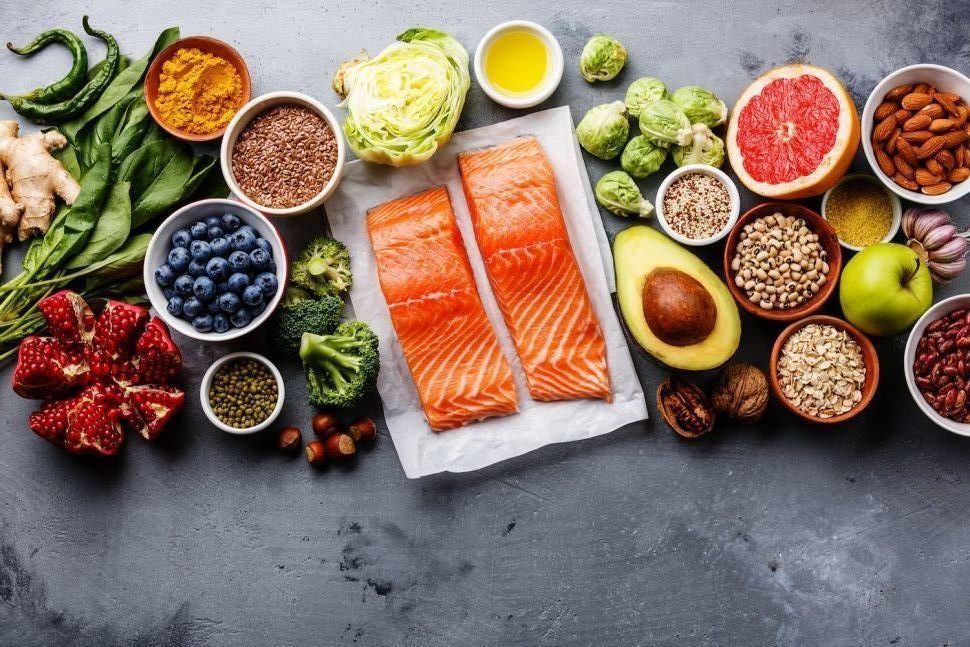
If you’re on the lookout for simple ways to boost the nutritional content of your meals in 2020, we’re breaking down the trendiest superfoods that’ll be getting lots of attention.   Fermented Food Fermentation is a natural process through which microorganisms like yeast and bacteria convert carbs — such as starch and sugar — into alcohol or acids. Yogurt, pickles, kombucha, and kimchi are all popular fermented foods today. These foods contain natural probiotics (aka good bacteria) that can improve digestion and your immunity, Fermented foods are rich in beneficial probiotics and are associated with a range of health benefits — from better digestion to stronger immunity. Try it: Add kimchi or sauerkraut to sandwiches or salads, substitute sugary sodas with naturally sparkling kombucha and you can also add yogurt and kefir to your smoothies. Seeds Seeds contain all the starting materials necessary to develop into complex plants. Because of this, these little guys pack a powerful nutritional punch. Extremely nutritious this fatty staple is having a moment. Pumpkin seeds, sesame seeds, flaxseeds, and good ol’ chia all provide healthy fats, vitamins, minerals, fiber, and protein. When consumed as part of a healthy diet, seeds can help reduce blood sugar, cholesterol, and blood pressure. Try it: Stock up on any kind of seeds you like and have them in baked goods, salads and dressings; You can also make chia seed pudding or add a spoonful of chia seeds to oatmeal to up the fiber and protein. Avocado These days, the avocado has become a popular food among millennial and health-conscious individuals. The Avocado is a fruit and it’s considered a superfood for its many health properties. Avocados are very nutritious and loaded with almost 20 essential vitamins and nutrients and are a good source of unsaturated fats, fiber, potassium, vitamin E, and B vitamins. They’re weight loss friendly, heart-healthy and, last but not least, taste incredible. Try it: Mash avocado on toast, add it to salads or blend some with a handful or two of fruit for a delicious smoothie. Microgreens  These are the baby versions of the vegetables and herbs you already know about, like kale, spinach, and mustard greens, radish, arugula, beet greens, cilantro, and parsley. Packed with vitamins and minerals, microgreens are becoming a fun, flavorful way to add to meals. Try it: Add fresh microgreens to your salads or grains, stir them into pasta, or use them as a nutritious garnish to your favorite meals. You can also drink them down with a greens powder as smoothies. Pulses Pulses, which include peas, lentils, and beans that provide loads of fiber, carbs, and protein are the new veggie superfood. Nutritious, sustainable and affordable, this nutrient balance can help stabilize your blood sugar and improve digestion. Try it: They’re great for making vegetarian burgers, eating in salad, soup, or pasta. Also, use pulses in baked goods -either whole or as flour. MCT Oil  Keto has made pretty much all fats popular, especially MCT oil which is a big part of the diet. For those unfamiliar MCTs (medium-chain triglycerides) are found in coconut oil, palm kernel oil, and even some dairy products. MCT oil is easily absorbed and transported throughout the body. It can be used as an instant source of energy or can be converted into ketones to fuel your brain. They’re less likely to be stored as fat than other types of fat are—and they don’t spike your blood sugar the way carbohydrates do. Try it:  You’ll get some MCTs from coconut oil—but you can also buy bottles of flavorless isolated MCT oil. Add a teaspoon or two to your oatmeal, smoothies, dips or salad dressings for a little extra oomph.

5 Steps to Meal Prep for the Week

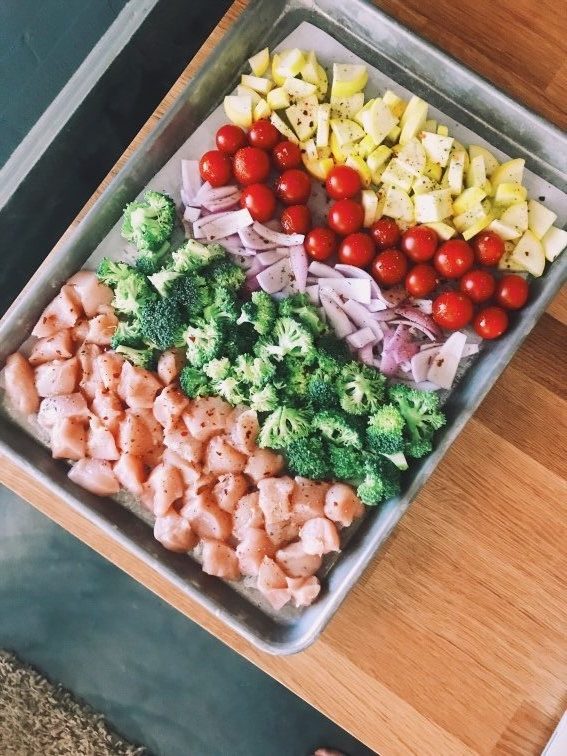
Eating healthier and saving time around the house are common goals for many families, and there’s one solution that can help attain both: meal-prepping. By planning and preparing meals in advance of each week, you can practice better portion control while creating free time for normally hectic mornings, afternoons and evenings. Consider these tips to start your meal-prepping process: Include the whole family. By letting everybody in on meal-prepping, you’re helping ensure everyone is satisfied with the breakfasts, lunches, dinners and snacks that become your end results. Even if you only plan to work in advance on lunches, for instance, loved ones will likely enjoy the process more if all are pleased with the meals they enjoy later. Plan the meals. Once the whole gang is included and on-board, start brainstorming the recipes and dishes you’d like to make. Try starting with just one course at first – lunch is likely to be the easiest – to help keep meal-prepping simple at the start. Buy ingredients in bulk. Whether your grocery shopping takes place over the weekend or on a free weeknight, purchasing ingredients and supplies in bulk – without overbuying perishables like fruits and veggies – can help make sure you have everything you need once it’s time to build the meals themselves. Head to the kitchen. Pick one day each week when you can plan to spend ample time in the kitchen making your meals. Use cooking techniques that are less hands-on, like baking or slow-cooking, as often as possible so you can multitask throughout. Sort and divide. Using quality food containers to keep your meals as fresh as possible, start splitting up servings in ways that fuel you and family while instituting improved portion control. By sorting out specific meals ahead of time, you can begin creating better eating habits.

Quick and Tasty

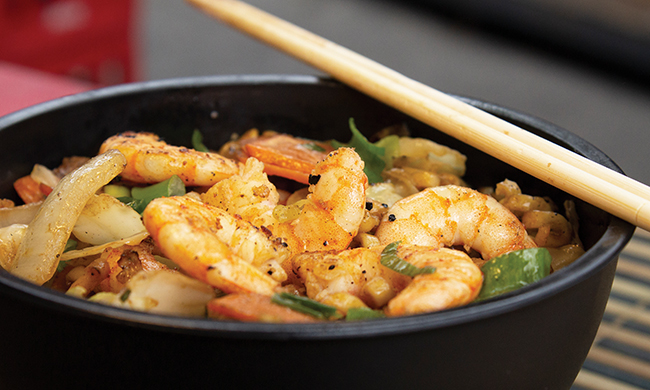
For those who are always on the go, it can be difficult to find time to whip up meals and snacks that are both nutritious and tasty. However, with some simple changes – and time-saving recipes – you can create delicious dishes and meals that will keep you feeling energized to fuel your busy lifestyle. This Egg Roll in a Bowl recipe is an easy dish featuring egg roll flavors and it’s ready in only 15 minutes! Egg Roll Bowl with Shrimp Prep time: 5 minutes Cook time: 10 minutes Servings: 4 5 cups frozen cauliflower rice 3 tablespoons grape seed oil 3 tablespoons sesame oil 4 teaspoons minced or pressed garlic 2 teaspoons ginger paste 6 cups pre-cut coleslaw (cabbage and carrots) 1 cup sliced red bell pepper 1/2 cup thinly sliced scallions, root and tips trimmed 1 teaspoon Chinese five-spice blend 1/4 cup tamari soy sauce 2 tablespoons mirin rice cooking wine 1 pound cooked and peeled shrimp, thawed 4 teaspoons sesame seeds In microwave, steam cauliflower according to package instructions. While cauliflower is cooking, warm large, nonstick skillet with lid over medium heat. Add oils, swirl to coat pan and, when shimmering, add garlic and ginger. Sauté until sizzling and fragrant, stirring constantly, about 30 seconds. Add coleslaw, bell pepper and scallions; continue sautéing, stirring frequently, until cabbage just begins to wilt, about 3 minutes. Sprinkle on five-spice blend and stir to incorporate. Add soy sauce and mirin rice cooking wine to pan and stir to evenly coat cabbage. Add shrimp to skillet; toss to evenly distribute. Reduce heat to medium-low, cover with lid and allow shrimp to warm, about 3 minutes. Measure about 1 cup cooked cauliflower rice into bottom of four bowls. Top evenly with shrimp and cabbage mixture, about 1 cup vegetables and 9-11 large shrimp per serving, drizzling with pan sauce evenly. Sprinkle each bowl with 1 teaspoon sesame seeds and serve while hot. Notes: To help meal come together quickly, use frozen cauliflower rice, pre-grated ginger paste, pre-minced jarred garlic and bagged coleslaw mix. Green onions and bell pepper can also be pre-sliced.

How to Be an Environmentally Friendly Cook

Cooking sustainably is an excellent step to reduce your impact on the environment. What we eat and how we cook affects our health and the health of our planet. The easiest way to make sure your food is sustainably sourced is to cook it yourself! Cooking at home allows you to make sustainable choices at every step of the process, from shopping for the most sustainable ingredients to reducing food waste as you cook. Shop Smart Food waste is a worldwide epidemic, and it’s time the average person started fighting back. We throw out a jaw-dropping 400 pounds of food per person per year—40% of our food. When you buy food, make sure you buy exactly what you need. Plan meals, use grocery lists and avoid impulse buys. We suggest making a detailed shopping list and plan out your meals before heading to the store. We should just be sure that our shopping carts and grocery budgets aren’t bigger than our stomachs. Use all Nutritious Bits When cooking, use every piece of the food you’re cooking with. Leave the skin on cucumbers and potatoes, sauté broccoli stems along with the florets, your food will still be just a delicious. You can also use vegetable and meat scraps in homemade stocks, and use citrus fruit rinds and zest to add flavor to other meals. Eat Seasonally Produce eaten at the right time and season tastes better, is nutritious, and can also benefit the planet. Buying Fruits and veggies harvested in your region cuts down on the carbon footprint from long-distance transportation. You can find out what’s ready to harvest near you via the new Seasonal Food Guide Optimize Grains Grains and other plant foods are far less resource-intensive to produce than animal foods like dairy, eggs, and meat. For example, Oats already have a low carbon footprint, and overnight oats are more sustainable since it requires no heat. Eat more nutrition-rich heirloom and ancient whole grains because they grow in an eco-friendly way. Better Sweeteners Satisfy your sweet cravings with natural alternatives like honey, maple, stevia, and agave that don’t rely on intense farming practices. Go Organic Organic food is better for the environment and your body. Certified organic foods are grown and processed using farming methods that recycle resources without the use of synthetic pesticides, bioengineered genes or petroleum. Buy Your Ingredients Locally As aforementioned buying Fruits, vegetables and other ingredients from local farmers is one of the most environmentally responsible ways to cook. Food products that are produced locally don’t have to be transported long distances, and this helps in reducing fuel and energy consumption. How you use your gadgets and appliances is just as important as the food you bring in to your kitchen. Use the Right Burner When cooking with gas burners, make sure the flame is fully below the pot; otherwise, heat and energy are wasted. When you put a small pot on a large element, you waste heat. Cook with Residual Beat When roasting vegetables or baking cookies, turn off the oven a few minutes before the recipe indicates this will conserve more energy. For casseroles and roasts, turn the oven off five or ten minutes earlier than you expect to remove the food. Cover Pans While Cooking Make sure all of your pots and pans have close-fitting lids, then use them whenever possible. To conserve energy, it’s best to keep your pans covered while cooking. Covering your pans will require less cooking time. Energy-efficiency Upgrades If you’re shopping for a new appliance, look for the Energy Star logo, found on products that can use up to 50 percent less energy or water without compromising performance. An efficient dishwasher, for instance, can use a lot less water than washing the dishes by hand in the sink. Go Paperless It’s easier than you think to replace paper with cloth in the kitchen. Try reusable cloth napkins instead of paper, or choose paper napkins made with recycled materials. Use Environmentally Friendly Cookware Pay attention to your cooking tools, the healthiest options are also the most eco-friendly kitchenware. Cool Leftovers Let foods sit at room temperature for about 30 minutes before storing or freezing. Warm food in the fridge or freezer increases energy usage by raising the temperature of other items. Just don’t leave perishable foods out for more than two hours, to avoid contamination. Use Water More Wisely When we cook we tend to use a lot of water but there are ways to shrink your water footprint. Install a low-flow faucet on your sink. Try to wash vegetables and fruits in a large bowl or tub of water and scrub them with a vegetable brush instead of using your faucet as a power-washer. Which tips did you find most helpful to you? Let us know in the comment box below.

Real Life Microwave Hacks

It’s not just for reheating leftover pizza- the microwave has some pretty nifty hacks that you can use to make your life easier. Here is a list of the best hacks we found.  Peeling Garlic Got Easier  Peeling garlic is daunting, however, you can put the garlic in the microwave and heat it up for 15 seconds. The heat will release the moisture from the garlic clove which gets trapped between the skins and loosens it. Once you take it out, the skin just slide off. Get More Juice from Your Citrus Fruits If you need help getting the most juice out of a lemon, lime or other citrus fruit throw it into the microwave for about 10-20 seconds so that the pulp inside becomes soft and you can juice it with ease. Tear-free Onion Chopping Save your eyes from the horrible stinging sensation you get when chopping onions. Ever wondered why that happens? Well, when an onion is cut with a knife, its cells release volatile sulfur compounds that cause tearing. The trick is to trim off the ends with a knife and heat the onion for about 30 seconds before chopping away. Bring Stale Bread Back to Life When your bread or bagels stale simply wrap in a moist paper towel (not soaking) and pop in the microwave for 20-second increments. The moisture from the towel will soak into the bread to make it taste fresh again. Preserve Fresh Herbs If you want to preserve herbs well, wrap them in a paper towel and heat them in the microwave for about 30 seconds allowing them to dry out. This may make them last longer in the refrigerator. To completely dry the herbs continue to microwave in 15-30 second increments until the herbs. Soak Lentils or Beans Overnight All you need to do is place your uncooked beans or lentils in a bowl filled with water, add a pinch of baking soda and microwave them for about 10 minutes. Allow them to rest for 30-40 minutes, after which they are ready to be cooked. Make Frothy Milk for Your Coffee The next time you’re craving a fancy frothy café au lait just make it yourself. A microwave and a mason jar are all you need. Fill the mason jar with as much skim or 2% milk as you’d normally use in your coffee, cover and shake it vigorously to get the frothing process started, then pop it uncovered in the microwave for 30 seconds. Then voila! Silky, frothy warm milk. A DIY Heating Pad for those Cold Nights Make your heating pad at home in two minutes! Pour rice into a sock then tie a knot at the top of the sock. Put it in the microwave for 1-2 minutes. Reheat as needed. Steam Clean the Microwave We’re sure with these hacks your microwave will be working overtime.  So while you’re at it, steam clean it with some lemon water. Place a bowl of water with freshly squeezed lemon juice into the microwave and set the timer for 5 minutes or until the water boils, let it sit in the microwave for 3 minutes so the steam can loosen any food stains. Remove the bowl then wipe your microwave clean.