
How to Cook Without Heating Up Your Kitchen This Summer | Beat the Heat in the Kitchen
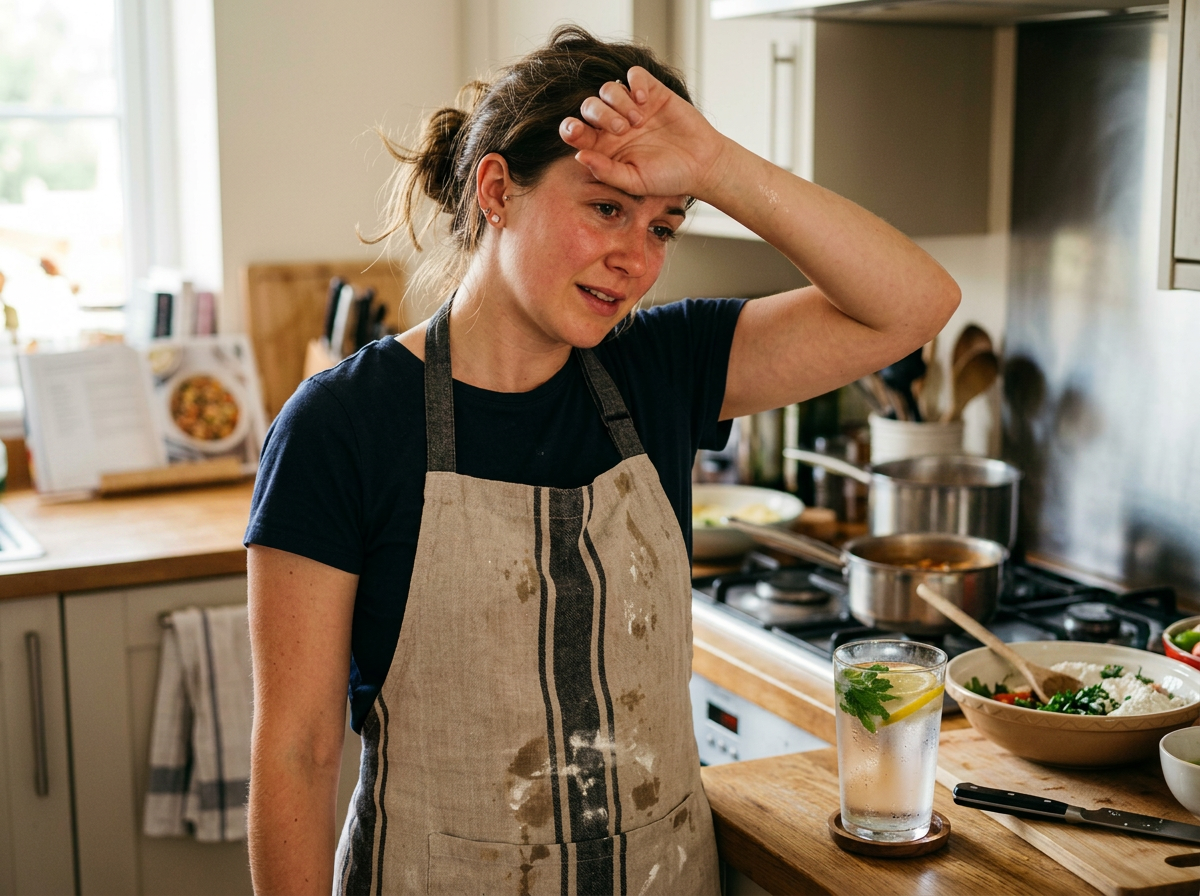
There’s a specific misery to cooking dinner in a kitchen that’s already 80°F before the oven turns on. The range hood runs, the fans run, the air conditioner works harder, and by the time the food is ready the cook is overheated and the kitchen is genuinely uncomfortable. In summer, and particularly during the kind of extended heat events that have become more frequent across both Europe and North America, conventional indoor cooking creates a feedback loop where the act of preparing food makes the environment worse for everyone in it.
The good news is that modern cooking equipment and a small amount of menu planning make it entirely possible to feed a household well throughout summer without ever turning the oven on, without running high-output gas burners that dump combustion heat into the kitchen air, and without the hours of indoor stovetop cooking that conventional weeknight dinner approaches require. The strategies aren’t complicated, but they require thinking about summer cooking differently than the rest of the year — prioritizing techniques and equipment that generate minimal heat indoors rather than simply defaulting to whatever you’d normally make.
Why Your Kitchen Gets So Hot When You Cook
Understanding what actually generates heat during cooking helps you make targeted decisions about what to change rather than vague attempts to cook “lighter.”
The Oven Is the Biggest Offender: A conventional oven running at 375°F for an hour isn’t just heating the food inside it — it’s radiating heat into the surrounding kitchen throughout that entire period through the door glass, the door seals, and the oven body itself. Oven cavity temperatures of 375°F with even modest insulation limitations mean the oven exterior and surrounding cabinetry run meaningfully above room temperature, contributing steady heat to the kitchen environment throughout the cooking process and often for 30-45 minutes after the oven shuts off as residual heat dissipates.
Gas Burners and Combustion Heat: Gas cooking is approximately 40% efficient at transferring heat to food — the remaining 60% of the energy goes into the surrounding air as waste heat from combustion. On a hot summer day, running multiple gas burners for an extended cooking session contributes a substantial amount of heat to the kitchen environment. This is one of the reasons professional kitchens in hot climates run aggressive ventilation — the heat load from gas cooking in an enclosed space is genuinely significant.
Steam and Humidity: Boiling water, simmering soups, and cooking pasta all release steam into the kitchen air. This added humidity makes the same temperature feel more uncomfortable, and in homes without air conditioning or with undersized units, the additional moisture load compounds heat discomfort significantly.
Appliance Waste Heat: Even refrigerators, dishwashers running their drying cycles, and other kitchen appliances contribute background heat to the kitchen environment. This background load matters most in already-hot conditions where every additional heat source pushes the room temperature higher.
Strategy One: Move Cooking Outside
The most complete solution to kitchen heat is removing cooking from the kitchen entirely. This is more practical than it sounds for most households with outdoor space.
The Grill as Primary Cooker: A backyard or balcony grill running at full temperature generates all its heat outdoors where it disperses naturally into open air rather than accumulating in an enclosed kitchen. Everything you’d normally cook on a stovetop or in an oven can be adapted for grill cooking — proteins obviously, but also vegetables, bread, pizza, fruit, and even some baked goods. The grill handles high-heat searing, slow indirect roasting, and everything in between without contributing a single degree to the indoor temperature.
Extending the Grill’s Menu Range: Most people think of grills primarily for burgers and steaks, which underutilizes what outdoor grilling can handle. Whole chickens cooked indirect take an hour and a half without any oven involvement. Grilled pizza — dough directly on grill grates over medium heat — cooks in 8-10 minutes and produces a char that conventional ovens can’t replicate. Grilled corn, zucchini, eggplant, bell peppers, peaches, and stone fruits all take minutes and require no indoor cooking. Fish fillets, shrimp skewers, and shellfish on the grill cook faster than most indoor methods. Expanding your grill repertoire beyond the obvious protein-centric menu genuinely transforms it into a complete cooking system rather than a supplement to indoor cooking.
The Side Burner Opportunity: Many gas grills include a side burner — a single outdoor gas burner positioned beside the main grill cooking surface. This burner handles pasta boiling, sauce making, corn on the cob, and any stovetop task that would otherwise require running indoor burners in a hot kitchen. Moving these tasks outdoors eliminates both the stovetop heat and the steam that indoor boiling generates.
Portable Induction as Outdoor Station: A portable single-burner induction cooktop taken to a covered patio or outdoor table creates a compact outdoor cooking station that handles stovetop work with zero combustion heat and minimal radiated heat compared to gas. Induction converts approximately 85-90% of consumed energy into cooking heat with very little waste into the surrounding environment, making it one of the cooler-running stovetop options regardless of where it’s used.
Strategy Two: Embrace the Air Fryer
The air fryer is genuinely the most useful summer appliance in most kitchens — not because it produces some categorically different result from the oven, but because it accomplishes similar things in a fraction of the time and generates a fraction of the heat.
Why Air Fryers Run Cooler Than Ovens: A standard oven heats a 5+ cubic foot cavity and maintains that temperature for the entire cooking period, continuously generating heat whether the food needs it or not. An air fryer heats a compact cavity of 2-6 quarts, reaches temperature much faster, and completes most cooking tasks in less time than equivalent oven cooking. The total heat generated into the kitchen environment is dramatically lower — both because the cavity is smaller and because the cooking duration is shorter.
What the Air Fryer Handles Well in Summer: Chicken pieces and wings, fish fillets, frozen appetizers, roasted vegetables, reheated leftovers, crispy tofu, summer squash, and anything normally oven-roasted at 375-425°F that can fit in the air fryer basket. Most of these cook in 10-20 minutes compared to 25-45 minutes in a conventional oven, which compounds the heat reduction benefit of the smaller cavity with shorter total run time.
Built-In Air Fry Oven Functions: If your range includes a built-in air fry function — like the KTD Series COS-GRC305KTD with its 6.1 cubic foot air fry oven — this deserves consideration as a summer-specific reason to use this mode over conventional baking. The air fry mode’s higher fan speed and more efficient heat transfer mean shorter cooking times than conventional baking at the same temperature, reducing the total time your oven is running and radiating heat into the kitchen.
Strategy Three: No-Cook and Cold Cooking
The most effective way to avoid kitchen heat is to produce meals that don’t require any cooking at all, or that use techniques where the “cooking” happens through chemistry rather than heat.
Ceviche and Acid-Cured Proteins: Ceviche cures raw fish in citrus acid over 15-30 minutes, denaturing proteins and producing a texture similar to cooked fish without any heat involvement. This technique applies to shrimp, scallops, and firm white fish — exactly the proteins that work best in summer’s lighter eating context. The preparation happens in a bowl in the refrigerator, generating no heat whatsoever.
Grain Bowls Built from the Pantry: Cooked grains stored in the refrigerator — farro, quinoa, or rice cooked earlier in the week or purchased pre-cooked — form the base of complete meals assembled cold or at room temperature with fresh vegetables, canned legumes, good olive oil, and acid from vinegar or citrus. No heat required at assembly time, and the grain cooking can happen in the early morning or evening when ambient temperatures are lower.
Gazpacho and Cold Soups: Gazpacho blends raw vegetables — tomatoes, cucumber, bell pepper, garlic — with olive oil and vinegar into a chilled soup that requires no cooking at all. Spanish cooking’s summer tradition of cold soups makes complete sense in heat management terms: a nourishing, complete first course or light meal that goes from blender to refrigerator without generating any heat. Chilled cucumber soup, cold corn soup, and other blended cold soups follow the same principle.
Composed Salads as Main Courses: The distinction between a side salad and a main course salad is primarily protein addition and portion size. Nicoise salad — tuna, hard-boiled eggs, blanched green beans, olives, tomatoes, and potatoes — is a complete main course requiring minimal cooking. Farro salad with roasted peppers from a jar, chickpeas, and feta requires no cooking at all if using canned chickpeas and pre-cooked grain. Building a summer repertoire of main course salads reduces hot cooking dramatically.
Overnight and Refrigerator Techniques: Overnight oats prepared in the refrigerator the night before require no morning cooking. Refrigerator pickles cure in brine without heat. No-bake energy balls, overnight chia pudding, and cold-brew concentrate (made by steeping ground coffee in cold water for 12-24 hours rather than using a coffee maker) all produce results without generating any kitchen heat. These aren’t compromises — they’re techniques that often produce better results than their heated counterparts.
Strategy Four: Time Cooking to Avoid Peak Heat
When indoor cooking is unavoidable, timing makes a meaningful difference in how much it affects household comfort.
Early Morning Cooking: The coolest part of a summer day is typically the early morning hours before ambient outdoor temperature peaks. Running the oven at 7am for an hour to roast a chicken that becomes dinner produces less indoor heat impact than running it at 6pm when ambient temperatures and the accumulated heat of the day make any additional heat source maximally uncomfortable. Cooking in the early morning, then refrigerating and reheating gently or serving at room temperature, is a legitimate and effective strategy.
The One-Hour Cooking Window Strategy: Batching cooking into a single early morning or late evening session that produces multiple days’ worth of food limits the total time the oven or stove runs during the hot part of the day. Roasting a tray of vegetables, cooking a large batch of grains, preparing a protein that stretches across multiple meals — done once during the coolest part of the day — eliminates the need to cook during afternoon and evening hours when it matters most.
Late Evening Cooking: After sunset, ambient temperatures drop and cooking’s heat contribution matters less to household comfort. Starting a braise, making a sauce, or doing prep for tomorrow’s meals after 9pm in the evening is genuinely cooler in practice than doing the same cooking at 6pm, even if the stove itself is generating the same heat.
Strategy Five: Maximize What Your Refrigerator and Freezer Can Do
Summer heat management in cooking is as much about cold as it is about heat — using refrigeration and freezing strategically to enable meals that require little or no active cooking at serving time.
Cold Storage as Prep Infrastructure: A refrigerator stocked with pre-cooked proteins, pre-washed and chopped vegetables, cooked grains, prepared sauces, and marinated items ready for quick grill cooking transforms meal assembly from a cooking session into a mostly cold assembly task. The cooking happens strategically during cooler windows; the eating happens whenever it’s convenient.
Freezer Stocks for Summer: Homemade frozen items prepared during cooler months — frozen sauces, frozen blanched vegetables, frozen cooked beans and grains — form the foundation of summer meals that require only brief reheating rather than full cooking from scratch. The freezer in summer is as much a cooking tool as the stove, because what it holds determines what can be prepared quickly and without significant heat generation.
Chilled and Room Temperature Serving: Many foods that are traditionally served hot are genuinely enjoyable at room temperature or slightly chilled in hot weather. Pasta salads, grain salads, roasted vegetables served at room temperature, cold sliced proteins, and chilled soups all allow cooking that happened hours earlier to serve as meals when the household is ready to eat without the last-minute hot cooking that conventional dinner timing requires.
Managing Kitchen Temperature When You Do Cook Indoors
For the cooking that does happen indoors regardless, a few operational decisions reduce heat impact.
Run the Range Hood Every Time: Kitchen ventilation removes heat and humidity generated during cooking before they distribute into the broader indoor air. Running the range hood at high speed throughout any indoor cooking session — not just when something is burning — removes a meaningful amount of cooking-generated heat from the kitchen environment. This is particularly important in open-plan living spaces where kitchen heat transfers easily into adjacent living and dining areas.
Use Lids to Reduce Steam: Keeping lids on pots during boiling and simmering traps steam that would otherwise escape into kitchen air, reducing the humidity load on the kitchen environment. The food cooks at the same temperature; the kitchen accumulates significantly less moisture.
Minimize Oven Preheating Time: Preheating an oven 30 minutes before using it for a 20-minute cooking task generates 30 minutes of wasted heat. Most dishes can go into an oven that’s still reaching temperature, with slightly adjusted cooking times, eliminating the preheat window’s heat contribution entirely.
Use Residual Heat: Turning off burners 2-3 minutes before food reaches target temperature and using residual heat to finish cooking reduces total burner-on time without affecting results for most stovetop preparations. This small habit across every cooking session adds up to meaningfully less heat generated throughout a summer week.
The Summer Cooking Mindset Shift
Cooking without heating up the kitchen isn’t about deprivation or eating worse — it’s about matching technique to season in the same way that good cooking always matches technique to ingredient. Summer produces the best tomatoes, corn, stone fruit, cucumbers, peppers, and fresh herbs of the year. These ingredients need minimal cooking intervention to taste excellent. Building a summer cooking approach around these ingredients rather than fighting them with techniques developed for winter’s heartier, slower-cooked food produces better results with less heat as a natural byproduct.
The households that stay comfortable in summer kitchens aren’t necessarily the ones with the best air conditioning — they’re the ones that have thought about when to cook, what equipment to use, and how to structure meals that don’t require turning a 375°F oven on at 6pm in August. That thinking, more than any specific recipe or appliance, is what makes summer cooking genuinely enjoyable rather than something to be endured.