kitchen productivity

Your Kitchen Is Too Clean (And Why That Slows You Down)

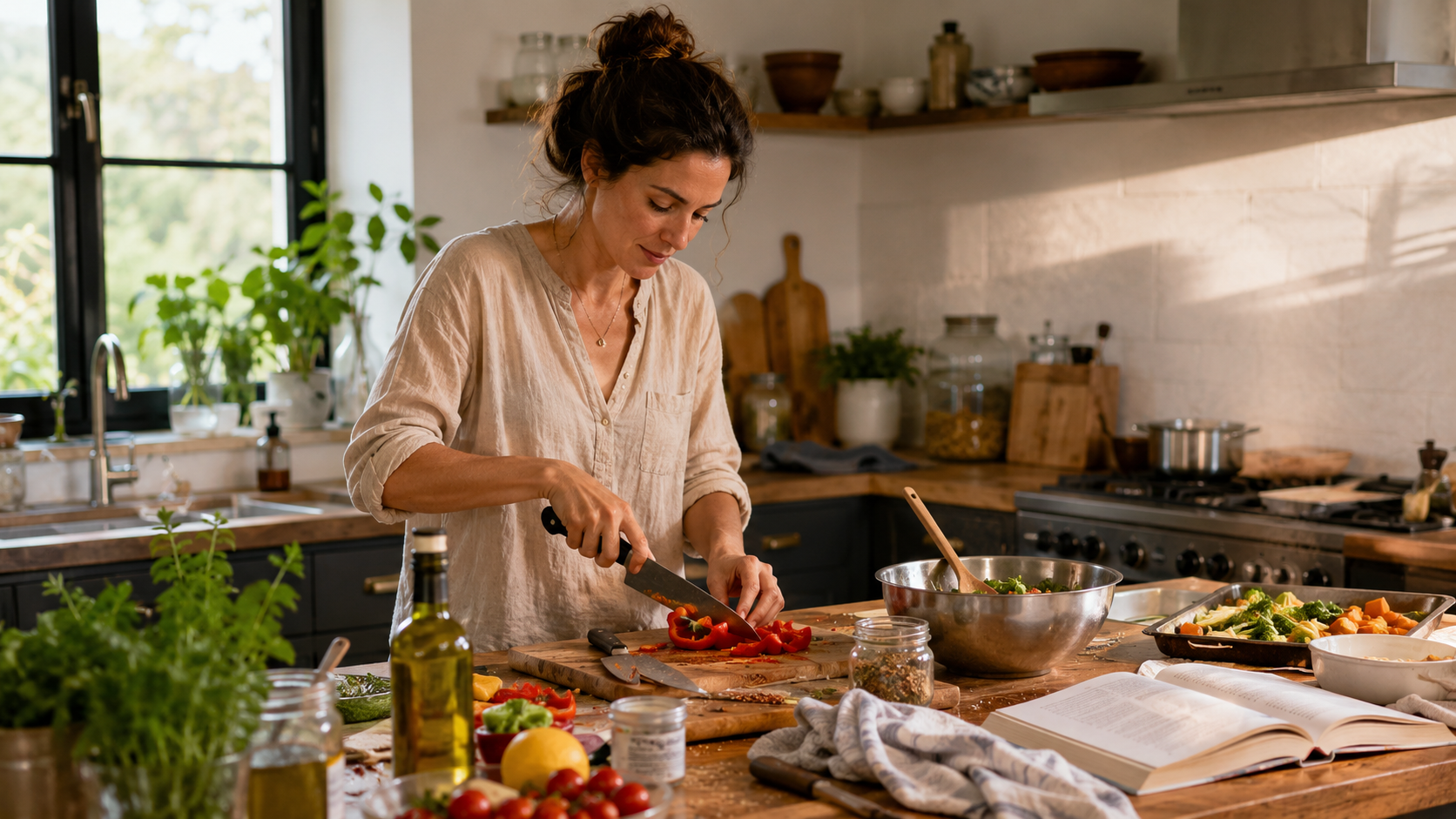
Spotless kitchens look beautiful in magazines. They’re also slower to cook in than kitchens with some working mess. The Instagram-perfect kitchen with empty counters, hidden appliances, and no visible ingredients creates friction at every cooking step. You’re constantly retrieving items from storage, clearing space to work, and putting things away mid-process to maintain the aesthetic. Working kitchens have visible tools, accessible ingredients, and surfaces that tolerate temporary mess during active cooking. This doesn’t mean filth or neglect. It means distinguishing between cooking mess and actual dirt, and understanding which cleanliness standards help cooking versus which ones slow it down. Here’s why excessive tidiness creates inefficiency, which mess is actually productive, and how to maintain a kitchen that’s clean enough without being so pristine it’s dysfunctional. Empty Counters Force Constant Retrieval The design aesthetic of clear counters looks stunning. It’s terrible for cooking efficiency. Countertop appliances stored in cabinets require retrieval before each use. Pulling out the blender, finding the lid, setting it up, and returning it afterward adds five minutes to every smoothie. Multiply this across multiple appliances and meals. Frequently-used items deserve counter space. Coffee maker, toaster, knife block, cutting board, and oil bottle sitting out eliminate dozens of retrieve-and-return cycles weekly. The aesthetic argument prioritizes looking at the kitchen over using the kitchen. If you cook daily, optimize for function over appearance. Guests spend minutes looking at your kitchen. You spend hours working in it. Cabinet storage for everyday items creates decision fatigue. Where did I put the pepper grinder? Which drawer has the spatulas? Visible storage eliminates these micro-decisions dozens of times daily. Different items have different storage thresholds. Stand mixer used weekly deserves counter space. Waffle iron used monthly belongs in the cabinet. The distinction is use frequency, not appearance. Empty counters serve people who cook rarely and photograph often. Working cooks need accessible tools. Cleaning While Cooking Interrupts Workflow The advice to “clean as you go” sounds efficient. It’s actually disruptive to cooking flow. Stopping mid-recipe to wash a bowl breaks concentration and momentum. You’re tracking multiple timings, temperatures, and tasks. Interrupting this mental juggling for cleanup fragments attention. Cooking requires sustained focus through multiple overlapping tasks. Pausing to wipe counters or wash dishes interrupts the cooking rhythm creating missed timings and forgotten steps. Better approach: contain mess during cooking, clean after eating. Stack used bowls in the sink. Wipe major spills that create hazards. Leave everything else until food is plated and served. The clean-as-you-go mandate assumes cooking is linear with natural pauses. Real cooking involves simultaneous management of multiple components. Cleaning interrupts this parallelism. Exception: clean during genuine downtime. While something simmers for twenty minutes, washing a few dishes makes sense. But stopping pasta-making to clean the counter actively harms cooking flow. Your kitchen can tolerate some mess for the hour you’re actively cooking. Prioritize cooking well over maintaining pristine surfaces during the process. Visible Spills Aren’t Dirty Tomato sauce splattered on the stovetop during cooking isn’t dirt. It’s evidence of cooking in progress. The obsession with immediately wiping every drip creates constant interruption. You’re stirring sauce, some splatters, you stop stirring to wipe it. Meanwhile the sauce burns because you’re cleaning instead of cooking. Splatter during cooking is temporary mess, not permanent filth. It wipes easily after cooking finishes. Stopping cooking to clean cooking mess is backwards priority. Distinguish between contamination and clutter. Raw chicken juice needs immediate cleanup preventing cross-contamination. Splattered marinara just needs wiping eventually. Cooking generates temporary mess. This is normal and acceptable. The mess serves as workspace evidence, not failure to maintain standards. Clean the splatter after the meal. While food rests or during post-dinner cleanup, wipe everything down. The splatter isn’t getting worse sitting there for thirty minutes while you finish cooking. Stop interrupting cooking to maintain aesthetics. The kitchen can look messy while you cook. That’s what kitchens do. Dish Washing Mid-Recipe Breaks Focus Recipes often instruct “wash bowl and reuse.” This sounds efficient but fragments the cooking process. Stopping to wash a bowl means leaving the stove, scrubbing the dish, drying it, and returning to cooking. This takes three to five minutes. During those minutes, something on the stove needs attention you’re not providing. Using extra bowls is more efficient than stopping to wash. Yes, you’ll wash more dishes later. But washing five bowls consecutively takes less total time than washing one bowl five separate times with interruptions between. The extra dish argument prioritizes minimal dishwashing over efficient cooking. This backwards priority sacrifices cooking quality to save one bowl. Most kitchens own enough bowls and utensils for one meal without washing mid-recipe. If you’re stopping to wash because you’ve run out of bowls, you need more bowls, not better cleaning habits. Cook first, clean after. Don’t let cleaning interrupt cooking. The dishes wait. The food on the stove doesn’t. Ingredient Containers Stay Out During Cooking Putting ingredients away between uses adds steps without benefit during active cooking. You use olive oil five times during one meal. Retrieving it from the cabinet and returning it five times adds ten trips. Leaving it on the counter during cooking eliminates unnecessary movement. The container sitting out for thirty minutes doesn’t suffer. Oil doesn’t degrade from brief counter exposure. Neither do spices, flour, or other cooking ingredients. After cooking finishes, return everything at once. One trip putting five items away beats five trips putting one item away repeatedly. This applies to tools too. The spatula used for three different cooking steps stays out until the meal completes. Washing and storing between each use is pointless efficiency theater. Kitchen efficiency favors batch actions over constant tidying. Retrieve everything needed at the start, use as needed, return everything at the end. Stop the retrieve-use-return-retrieve cycle mid-cooking. Cutting Board Cleaning Between Tasks Is Excessive Food safety guidelines create excessive cutting board washing requirements for home cooking. The warning against cross-contamination leads to washing the board between every ingredient. This creates constant interruption and generates unnecessary water and soap use. Reasonable approach:
The Cooking Shortcuts That Actually Save Time

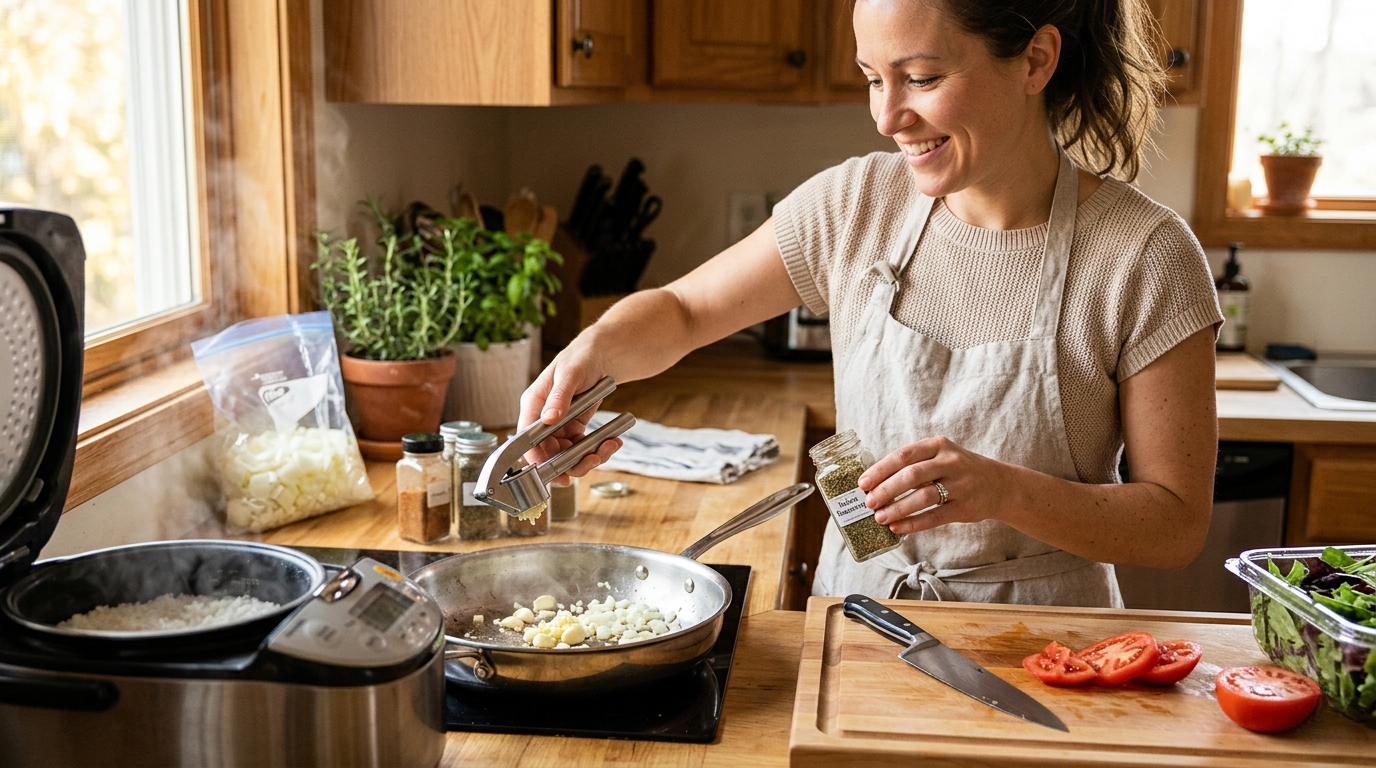
The Cooking Shortcuts That Actually Save Time Every cooking blog promises quick weeknight meals and time-saving tips. Most of these shortcuts either don’t actually save time or create more work through cleanup, prep, or disappointing results requiring do-overs. Real time savings come from understanding which steps genuinely matter and which ones are unnecessary tradition. Some shortcuts sacrifice quality. Others eliminate pointless effort without affecting the final dish. The difference between useful shortcuts and false efficiency is whether they create downstream problems. Skipping a step that saves five minutes now but creates fifteen minutes of cleanup later isn’t a shortcut—it’s deferred work. Here’s what actually saves time in the kitchen, what looks efficient but isn’t, and how to distinguish between smart efficiency and corner-cutting that backfires. Pre-Chopped Vegetables Are Worth It (Sometimes) The internet loves mocking pre-cut vegetables as wasteful and expensive. For some vegetables and some situations, they’re actually efficient. Pre-chopped onions save real time. Onions take longer to peel, dice, and clean up after than most vegetables. The time saved multiplies across multiple meals. Pre-diced onions from the store eliminate ten minutes of work including cleanup. Pre-minced garlic makes sense for dishes where garlic cooks long enough that fresh versus jarred doesn’t matter. Garlic mincing is fiddly work producing minimal volume for the time invested. In pasta sauce simmering for an hour, jarred minced garlic tastes identical to fresh. Pre-washed lettuce saves significant time. Washing, drying, and storing lettuce properly takes fifteen minutes. Pre-washed greens eliminate this entirely. The slight quality difference rarely justifies the time investment for everyday salads. Where pre-cut fails: delicate herbs losing flavor quickly, vegetables with short shelf life creating waste, and items where fresh cutting takes thirty seconds anyway. Pre-sliced mushrooms cost three times more to save ninety seconds of knife work. The efficiency question is whether the pre-cut item saves more time than it costs in money and quality. For onions and lettuce, yes. For bell peppers, probably not. One-Pot Meals Create More Work Than Separate Pans One-pot cooking sounds efficient. Everything cooks in one vessel meaning less cleanup. Reality proves otherwise for most dishes. One-pot recipes force sequential cooking instead of parallel cooking. Brown meat, remove it, cook vegetables, add liquid, return meat. This sequential approach takes longer than cooking components simultaneously in separate pans. Temperature compromises in one-pot cooking create mediocre results. Everything cooks at one temperature. Vegetables that need high heat get steamed. Ingredients needing gentle cooking get blasted. The result requires longer cooking time to compensate for wrong temperatures. Cleanup savings are minimal. One large pot plus utensils for removing and returning ingredients creates similar dish load to two smaller pans. The “one pot” often requires more scrubbing than multiple pans because everything browns onto one surface. Better approach: use multiple pans simultaneously. While protein sears, vegetables roast. While pasta boils, sauce simmers. Parallel cooking completes meals faster than sequential one-pot methods. One-pot dishes work for soups, stews, and braises where everything benefits from long combined cooking. For quick dinners, separate pans finish faster despite additional dishes. Mise en Place Wastes Time at Home Professional cooking demands mise en place—everything measured and prepped before cooking starts. Home cooking doesn’t. Restaurant cooks prep once and cook the same dish repeatedly. Mise en place makes sense when preparing fifty orders of the same pasta. Measuring everything beforehand allows fast repetitive execution. Home cooks make one portion once. The time spent measuring ingredients into bowls, washing those bowls, and transferring ingredients adds steps without benefit. Progressive prep during cooking saves time. While onions soften, chop the next vegetable. While vegetables cook, measure spices. This parallel workflow keeps you moving without creating extra dishes. Exception: baking requires accurate ratios so measuring beforehand prevents mistakes. For baking, mise en place makes sense because precision matters. For everyday cooking, skip the prep bowls. Add ingredients directly as you go. The TV cooking show aesthetic of ingredient bowls looks organized but creates extra work. Garlic Presses Are Faster Than Knife Mincing Kitchen snobs hate garlic presses. They’re wrong about efficiency. Knife mincing garlic takes time: peel cloves, mince finely, scrape board, clean knife, wash hands to remove smell. This process takes three to four minutes for multiple cloves. Garlic press takes thirty seconds: peel cloves, squeeze, scrape out garlic, rinse press. The time difference multiplies across meals. Cleanup arguments against presses ignore that knife mincing requires cleaning cutting board, knife, and removing garlic smell from hands. The press requires rinsing one tool. Texture differences between pressed and minced garlic matter only in raw applications like Caesar dressing or garlic bread. In cooked dishes, the difference disappears. Buy a good press. Cheap presses are frustrating and break. Quality presses last years and pay for themselves in time saved. The anti-press argument is aesthetic, not practical. If the goal is saving time, use the press. Batch Cooking Backfires Without Proper Storage Cooking large quantities seems efficient. Make five meals at once, reheat through the week. This works only with proper containers and freezer space. Without adequate storage, batch cooking creates problems. Food in wrong containers dries out, absorbs freezer odors, or takes excessive freezer space. Reheating failures waste the entire batch. Batch cooking requires significant upfront time. The five-hour Sunday cook session feels productive but that’s five hours unavailable for other activities. The time isn’t saved—it’s concentrated. Better approach: double recipes instead of quintupling them. Make two portions instead of five. This provides one extra meal without overwhelming storage or creating food fatigue. Batch cooking works best for components, not complete meals. Cook large batch of rice, roast sheet pans of vegetables, brown ground meat. These components assemble into varied meals throughout the week preventing boredom. The freezer limitations matter. Most home freezers hold three to four complete meals comfortably. Cooking eight meals at once creates storage problems and food quality issues from extended freezing. Batch component cooking saves time. Batch complete meal cooking often doesn’t. Sharp Knives Actually Save Time This seems obvious but bears repeating:

Kitchen Organization Tips for Busy Families: Create Systems That Actually Work

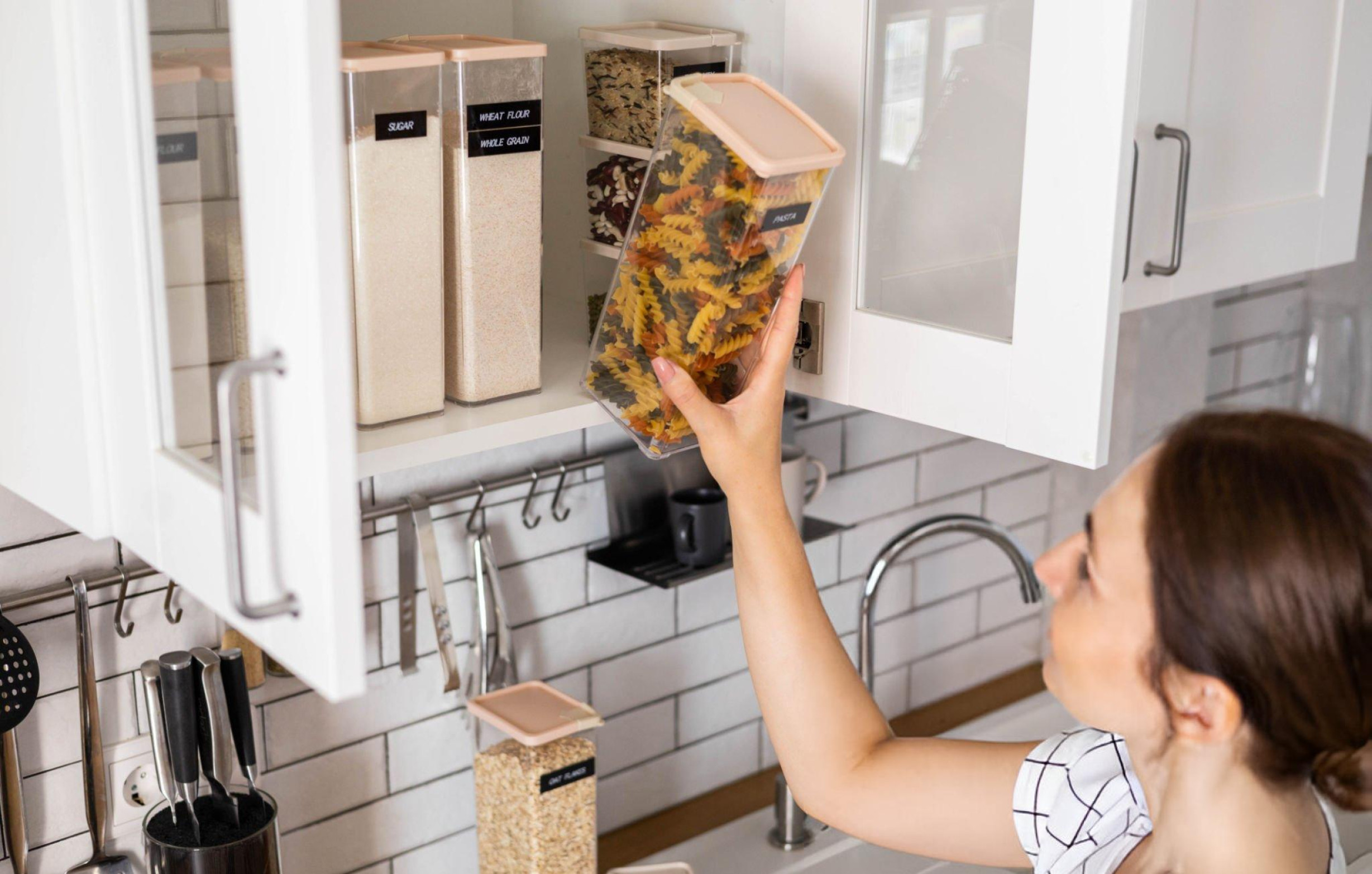
Busy families need kitchen organization systems that can handle the chaos of daily life while making meal preparation faster and easier. Between school lunches, after-school snacks, dinner prep, and weekend cooking projects, family kitchens face constant demands that can quickly turn organized spaces into cluttered confusion. The key is creating simple, sustainable systems that every family member can follow while accommodating the reality of hectic schedules. Good kitchen organization for families goes beyond just having a place for everything. It means creating systems that work even when you’re rushing to get dinner on the table, kids are grabbing snacks, and life is pulling you in multiple directions. The best organizational systems are the ones that maintain themselves with minimal effort while making your daily kitchen tasks more efficient and less stressful. Start with Zones That Match Your Family’s Routine Successful kitchen organization begins with understanding how your family actually uses the kitchen space. Create zones based on your daily activities rather than trying to follow generic organization advice that doesn’t fit your lifestyle. Most busy families benefit from distinct zones for meal prep, snack storage, school supplies, and cleanup activities. The breakfast zone should include everything needed for morning meals within easy reach. Store cereals, coffee, tea, bread for toast, and breakfast dishes in one area so family members can prepare breakfast quickly without searching through multiple cabinets. Include plates, bowls, cups, and utensils that children can safely access independently. Create a dedicated snack zone that kids can access without disrupting meal preparation areas. Use lower cabinets or a designated pantry section for healthy snacks, and include a small bin or basket for grab-and-go items. This zone prevents children from digging through meal ingredients when looking for snacks. The lunch-packing zone centralizes everything needed for school and work lunches. Store lunch boxes, thermoses, napkins, plastic containers, and lunch-making supplies in one area. Include a small basket for lunch money, permission slips, and other school-related items that need to go out the door each morning. Design your dinner prep zone around your most frequently used cooking tools and ingredients. Keep cutting boards, knives, measuring tools, and everyday spices within arm’s reach of your main prep area. This zone should flow logically into cooking and serving areas to minimize movement during meal preparation. Smart Storage Solutions for Family-Sized Needs Family kitchens require storage solutions that accommodate bulk purchases, multiple serving sizes, and the variety of food preferences that come with different ages and dietary needs. Focus on storage systems that keep items visible and accessible while maximizing space efficiency. Use clear containers for pantry storage to make inventory checks quick and easy. Family-sized containers work well for cereals, snacks, and bulk items while keeping food fresh longer than original packaging. Label containers clearly so family members can find what they need and put items back in the correct location. Implement a first-in, first-out system for perishables to reduce food waste. Store newer items behind older ones, and use clear bins in the refrigerator to group similar items together. This system helps you use food before it expires while making meal planning easier. Create designated spaces for each family member’s special dietary needs or preferences. Use separate bins or shelves for gluten-free items, allergy-safe foods, or individual family member’s favorite snacks. This organization prevents cross-contamination while ensuring everyone can find their preferred foods easily. Install pull-out drawers in lower cabinets to improve accessibility for both adults and children. Deep drawers work particularly well for pots, pans, and large serving dishes that are difficult to access in traditional cabinets. Pull-out systems also prevent items from getting lost in the back of deep cabinets. Use vertical space efficiently with stackable bins, shelf risers, and door-mounted storage. Over-the-door organizers work well for cleaning supplies, spices, or small kitchen tools. Stackable bins help maximize cabinet height while keeping categories separated and accessible. Meal Planning and Prep Organization Effective meal planning reduces daily decision-making stress while ensuring your family eats well despite busy schedules. Create systems that make meal planning, grocery shopping, and meal prep more efficient and less time-consuming. Establish a weekly meal planning routine that involves the whole family. Use a visible calendar or whiteboard to plan meals for the week, including who’s responsible for each meal and any special dietary considerations. Include family members in planning to ensure meals everyone will enjoy while teaching children about nutrition and meal preparation. Create a master grocery list organized by store sections to make shopping faster and more efficient. Include categories for produce, dairy, meat, pantry items, and household supplies. Keep the list in a central location where family members can add items as you run out, preventing last-minute shopping trips. Batch prep ingredients on weekends or during less busy times to streamline weeknight cooking. Wash and chop vegetables, cook grains and proteins in advance, and portion out snacks for the week. Store prepped ingredients in clear containers with dates to maintain freshness and safety. Organize your freezer with labeled bins for different types of meals and ingredients. Use one bin for quick breakfast items, another for easy lunch options, and a third for dinner components. This organization makes it easy to find frozen items quickly while preventing food from getting lost in freezer depths. Set up a rotation system for leftovers to ensure they get eaten before spoiling. Use clear containers with dates, and designate specific refrigerator areas for leftovers that need to be eaten soon. Implement family rules about checking for leftovers before starting new meals. Kid-Friendly Organization Systems Children can contribute to kitchen organization when systems are designed with their capabilities in mind. Age-appropriate organization systems teach responsibility while reducing the burden on parents to manage everything independently. Create lower storage areas that children can access safely for dishes, cups, and snacks. Use step stools strategically placed for older children to reach higher areas safely. Ensure that breakable items and dangerous tools are stored safely out of reach while keeping appropriate items accessible. Use

How to Create a More Functional Kitchen Workspace: Design Your Kitchen for Real Life

A truly functional kitchen workspace makes cooking easier, faster, and more enjoyable. Whether you’re preparing quick weeknight dinners or elaborate holiday meals, having an organized and efficient kitchen setup can transform your cooking experience. The difference between a beautiful kitchen and a functional one often comes down to thoughtful planning and understanding how you actually use your space.Creating a more functional workspace doesn’t always require major renovations or expensive upgrades. Many improvements involve reorganizing existing elements, optimizing storage solutions, and establishing systems that support your cooking habits. The key is analyzing your current workflow and identifying where small changes can make big improvements in daily efficiency. Understanding the Kitchen Work Triangle The kitchen work triangle concept remains one of the most important principles for creating functional workspace. This triangle connects your three most-used areas: the sink, stove, and refrigerator. An efficient triangle minimizes walking distance while preventing these work areas from interfering with each other.The ideal work triangle has sides measuring between 4 and 9 feet each, with a total perimeter between 12 and 26 feet. This sizing provides easy access between areas without making the kitchen feel cramped or requiring excessive walking during meal preparation.Avoid placing obstacles like islands or peninsulas in the middle of your work triangle. Traffic should flow around the triangle rather than through it, allowing you to work efficiently without interference from family members or guests moving through the kitchen.Consider secondary work triangles if your kitchen is large or includes multiple cooks. A secondary triangle might connect a second sink, microwave, and pantry area, creating a prep zone that doesn’t interfere with the main cooking triangle.Modern kitchens sometimes function better with work zones rather than strict triangles. If you have a large kitchen or unusual layout, focus on creating efficient zones for different activities: prep zone, cooking zone, cleanup zone, and storage zone. Creating Efficient Work Zones Divide your kitchen into specific work zones based on the tasks you perform most frequently. This organization keeps related items together while creating logical workflows that reduce wasted motion and time during meal preparation.The prep zone should include your largest counter area, cutting boards, knives, and frequently used ingredients. Position this zone near the sink for easy cleanup and washing of fruits and vegetables. Include storage for prep bowls, measuring tools, and spices within easy reach.Your cooking zone centers around the stove and oven, with storage for pots, pans, cooking utensils, and oils. Keep pot holders, trivets, and serving pieces nearby. This zone should connect easily to the prep zone for transferring ingredients and to storage areas for cookware.The cleanup zone revolves around your sink and dishwasher. Store dish soap, cleaning supplies, dish towels, and drying racks in this area. Position trash and recycling bins conveniently but out of the main workflow paths.A beverage zone can improve efficiency by grouping coffee makers, kettles, mugs, and beverage supplies in one area. This specialized zone prevents beverage preparation from interfering with meal cooking while keeping everything organized and accessible.Storage zones should be distributed throughout the kitchen based on frequency of use. Daily items stay in the most accessible locations, while occasional-use items can be stored in harder-to-reach areas like upper cabinets or pantry shelves. Optimizing Counter Space for Maximum Efficiency Counter space is often the most limiting factor in kitchen functionality. Making the most of available counter area while keeping surfaces clear and usable requires strategic planning and smart storage solutions.Keep counters as clear as possible by storing appliances that aren’t used daily. Small appliances like blenders, food processors, and stand mixers can live in cabinets or appliance garages, freeing up workspace for actual food preparation.Create designated landing zones near appliances and the sink. These 18-24 inch areas provide space for setting down hot pots, unloading groceries, or staging ingredients during cooking. Landing zones prevent counters from becoming cluttered while providing functional workspace.Use vertical space to maximize counter efficiency. Wall-mounted magnetic knife strips, spice racks, and utensil holders keep essential tools accessible without taking up counter real estate. Under-cabinet storage solutions like paper towel holders and small shelves add storage without reducing workspace.Consider portable work surfaces like cutting board extensions or rolling carts that can provide additional workspace when needed. These solutions work particularly well in smaller kitchens where permanent counter space is limited.Organize counter storage thoughtfully by grouping items you use together. Keep cutting boards near knives, oils near the stove, and coffee supplies near the coffee maker. This organization reduces searching time while keeping counters organized. Smart Storage Solutions That Actually Work Effective storage goes beyond simply having enough space – it’s about having the right type of storage in the right locations. Smart storage solutions make items easily accessible while keeping your kitchen organized and functional.Use drawer organizers to maximize storage efficiency and keep items visible. Deep drawers work better than shelves for heavy items like pots and pans, while shallow drawers organize utensils and small tools effectively. Adjustable organizers adapt to different items and prevent drawers from becoming messy catch-alls.Install pull-out shelves in lower cabinets to improve accessibility. These shelves bring items at the back of cabinets within easy reach, preventing forgotten items and reducing the need to move everything to access what you need.Maximize corner cabinet efficiency with lazy Susans or pull-out corner systems. Standard corner cabinets waste significant space and make items difficult to access. Specialized hardware turns these problem areas into functional storage.Use cabinet doors for additional storage with racks, hooks, and small shelves. Door-mounted storage works well for spices, cleaning supplies, cutting boards, and frequently used items. This solution adds storage capacity without requiring additional cabinet space.Create vertical storage in cabinets with shelf risers, stackable bins, and adjustable shelving. These solutions help you use the full height of cabinet space while keeping items organized and accessible. Lighting for Better Functionality Good lighting is essential for kitchen functionality, yet many kitchens suffer from inadequate or poorly positioned lighting that makes tasks difficult and potentially dangerous. Layered lighting provides both adequate illumination and