

dinner ideas

Childproofing Your Kitchen: A Comprehensive Guide

The kitchen is one of the busiest rooms in the house, filled with potential hazards for young children. Ensuring your kitchen is safe requires careful planning and ongoing vigilance. This comprehensive guide provides essential tips to help you childproof your kitchen effectively. Securing Cabinets and Drawers Cabinets and drawers often contain sharp objects, cleaning supplies, and other dangerous items. Here’s how to secure them: 1. Cabinet Locks Install childproof locks on all lower cabinets and drawers. Magnetic locks are effective and can be installed on the inside, keeping them hidden from view while still providing security. 2. Drawer Stoppers Use drawer stoppers to prevent drawers from being pulled out entirely. This helps avoid injuries and keeps dangerous items out of reach. 3. High Storage Store hazardous materials, such as cleaning supplies, knives, and small appliances, in high cabinets that are out of reach of children. Even with locks, it’s best to keep these items completely inaccessible. Covering Electrical Outlets and Cords Electrical outlets and cords can be particularly dangerous in the kitchen. Here’s how to make them safer: 1. Outlet Covers Use plastic outlet covers to prevent children from inserting objects into the sockets. Choose covers that are difficult for small hands to remove. 2. Sliding Plate Covers Consider installing sliding plate covers, which automatically close when the outlet is not in use. These are more secure and convenient than traditional plug covers. 3. Hide Cords Keep electrical cords out of reach by using cord organizers or hiding them behind appliances and furniture. This prevents children from pulling on them and potentially causing appliances to fall. Installing Safety Gates Safety gates can keep children out of the kitchen when you’re not able to supervise them directly. 1. Gate Placement Install gates at the entrance to the kitchen to block access. This is especially useful during meal preparation when there are many potential hazards. 2. Hardware-Mounted Gates Choose hardware-mounted gates for a more secure and stable installation. These are less likely to be knocked over or moved by children. 3. Flexible Options Consider using gates that can be easily moved and adjusted as needed. This allows for flexibility in creating safe spaces within your home. Keeping Appliances Safe Kitchen appliances can pose serious risks to children. Here’s how to manage them: 1. Stove Safety 2. Oven Locks Install an oven lock to prevent children from opening the oven door. This reduces the risk of burns and other injuries. 3. Microwave Safety Place the microwave out of reach, either on a high shelf or built into the cabinetry. Ensure that hot food and liquids are not easily accessible. Choosing Safe and Age-Appropriate Items Toys and utensils in the kitchen can be both entertaining and dangerous. Here’s how to manage them: 1. Age-Appropriate Utensils Provide your children with safe, age-appropriate utensils if they like to help in the kitchen. Silicone and plastic utensils are good options for young children. 2. Avoid Small Parts Avoid toys and utensils with small parts that could be a choking hazard. Ensure that any kitchen-related toys are large enough to be safe. 3. Non-Toxic Materials Choose non-toxic materials for any items your children may handle or put in their mouths. Look for BPA-free, lead-free, and phthalate-free labels. Additional Childproofing Tips for the Kitchen 1. Anchor Furniture Secure heavy furniture and appliances, such as refrigerators and freestanding shelves, to the wall to prevent tipping. 2. Lock the Trash Can Use a childproof lock on the trash can to prevent children from accessing potentially dangerous items. 3. Corner Protectors Use corner protectors on countertops and tables to prevent injuries from falls or bumps. 4. Sharp Object Storage Store knives and other sharp objects in a locked drawer or a high, out-of-reach location. Consider using a magnetic knife strip mounted high on the wall. 5. Secure Dishwasher Install a lock on the dishwasher to prevent children from opening it and accessing sharp utensils or cleaning chemicals. 6. Avoid Tablecloths Avoid using tablecloths that can be easily pulled off, potentially causing heavy or hot items to fall. 7. Keep Floors Clean Regularly clean the floors to remove any small objects or spills that could cause slips or choking hazards. Childproofing your kitchen is an essential step in creating a safe environment for your children. By following these comprehensive tips, you can minimize the risks and allow your little ones to explore and learn safely. Always stay vigilant and regularly reassess your kitchen for potential hazards to ensure your child’s safety.

Exploring the Low Carb Diet: Benefits, Tips, and Delicious Recipes

The low carb diet has gained popularity for its potential health benefits and effectiveness in weight management. By reducing carbohydrate intake and focusing on protein and healthy fats, this diet can help improve blood sugar levels, boost energy, and promote weight loss. Let’s dive into the basics of the low carb diet, its benefits, tips for getting started, and some delicious recipes to try. What is a Low Carb Diet? A low carb diet limits the intake of carbohydrates, which are found in foods like grains, starchy vegetables, and sugary items. Instead, it emphasizes proteins, healthy fats, and non-starchy vegetables. Common types of low carb diets include the ketogenic (keto) diet, Atkins diet, and the paleo diet. Benefits of a Low Carb Diet Getting Started with a Low Carb Diet Low Carb Food List Delicious Low Carb Recipes 1. Cauliflower Rice Stir-Fry Ingredients: Instructions: 2. Zucchini Noodles with Pesto Ingredients: Instructions: 3. Avocado Egg Salad Ingredients: Instructions: Adopting a low carb diet can offer numerous health benefits, from weight loss to improved blood sugar control. By focusing on whole foods and incorporating delicious low carb recipes, you can enjoy a variety of tasty meals while maintaining your health goals. Start your low carb journey today and experience the positive changes it can bring to your life.

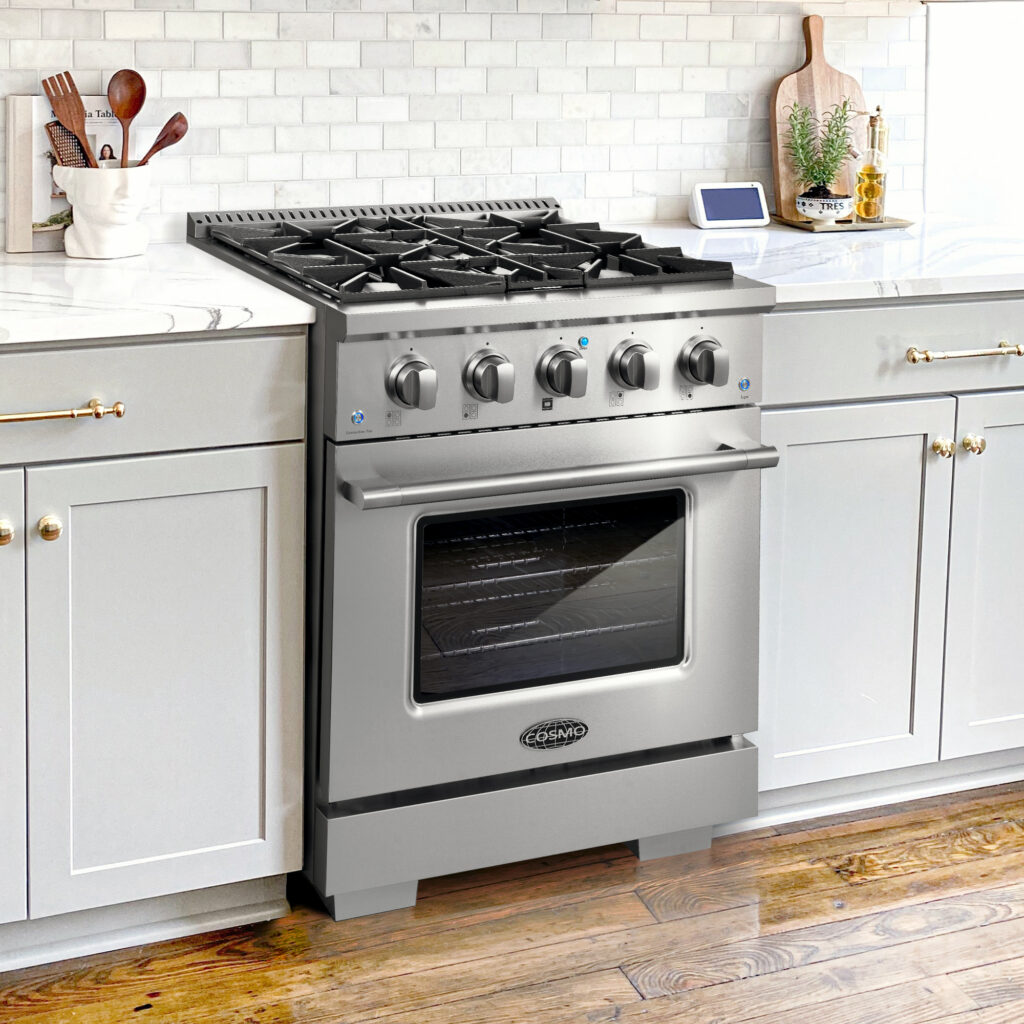
Energy Efficiency Benefits of Cooking with Gas on the COS-GRP304

The COS-GRP304 Gas Range is a versatile and powerful appliance designed to meet the demands of modern kitchens. Beyond its sleek design and high performance, it offers significant energy efficiency benefits. This article explores how cooking with gas on the COS-GRP304 can help you save energy, reduce costs, and enhance your culinary experience. Why Choose Gas for Energy Efficiency? Key Energy Efficiency Benefits of the COS-GRP304 1. Faster Cooking Times 2. Reduced Energy Waste 3. Lower Operating Costs 4. Eco-Friendly Cooking 5. Durability and Longevity Tips for Maximizing Energy Efficiency with the COS-GRP304 Safety Considerations The COS-GRP304 Gas Range is not only a top-tier cooking appliance but also an energy-efficient choice that benefits both your wallet and the environment. With its precise heat control, faster cooking times, and eco-friendly operation, it’s an excellent investment for energy-conscious homeowners. By following simple efficiency tips, you can further enhance its performance and enjoy cost-effective, sustainable cooking.

Health Benefits of Homemade Sauces Over Store-Bought

When it comes to enhancing the flavor of your meals, sauces are a key ingredient. While store-bought sauces offer convenience, making your own sauces at home can provide numerous health benefits that make the extra effort worthwhile. In this blog post, we’ll explore the advantages of homemade sauces over their store-bought counterparts and share some tips to get you started on your homemade sauce journey.  Control Over Ingredients Homemade Sauces: Store-Bought Sauces:   Reduced Sodium and Sugar Homemade Sauces: Store-Bought Sauces: Healthier Fats Homemade Sauces: Store-Bought Sauces: Freshness and Flavor Homemade Sauces: Store-Bought Sauces: Reduced Risk of Allergens and Sensitivities Homemade Sauces: Store-Bought Sauces: Tips for Making Homemade Sauces Making sauces at home can provide numerous health benefits, from reducing sodium and sugar intake to using healthier fats and avoiding allergens. By taking control of the ingredients and preparation methods, you can enjoy fresher, more flavorful, and nutritious sauces that elevate your meals. So, next time you reach for a jar of store-bought sauce, consider whipping up a homemade version instead. Your taste buds and your health will thank you!

How to Select and Store Fresh Produce

Selecting and storing fresh produce is essential to ensure that your fruits and vegetables stay as fresh, flavorful, and nutritious as possible. With a few simple tips, you can make the most out of your grocery store or farmer’s market visits, reducing waste and enjoying the best that each season has to offer. Here’s how to choose and store fresh produce effectively. Selecting Fresh Produce 1. Choose Seasonal Produce: 2. Inspect for Freshness: 3. Check Ripeness: 4. Buy in Small Quantities: Storing Fresh Produce 1. Refrigerate Appropriately: 2. Room Temperature Storage: 3. Special Cases: 4. Extend Shelf Life: Additional Tips Selecting and storing fresh produce properly can make a significant difference in the quality and longevity of your fruits and vegetables. By following these tips, you can enjoy fresh, nutritious produce, reduce food waste, and save money. Happy shopping and enjoy the bounty of fresh, delicious produce in your meals!

Nutritional Comparison of Different Meats: Chicken, Beef, and Pork

When it comes to choosing the right meat for your meals, understanding the nutritional differences can help you make healthier choices that fit your dietary needs and preferences. Chicken, beef, and pork are three of the most commonly consumed meats worldwide, each offering unique nutritional profiles. In this blog post, we’ll break down the nutritional benefits and considerations of each type of meat to help you make informed decisions at the grocery store and in the kitchen. Chicken: Lean and Versatile Nutritional Highlights: Health Considerations: Beef: Rich in Iron and Zinc Nutritional Highlights: Health Considerations: Pork: Nutrient-Dense and Flavorful Nutritional Highlights: Health Considerations: When deciding which meat to incorporate into your diet, consider the following tips: Each type of meat—chicken, beef, and pork—offers its own set of nutritional benefits and considerations. By understanding these differences, you can make informed choices that align with your health goals and dietary preferences. Whether you’re looking to boost your protein intake, increase iron and zinc levels, or enjoy a nutrient-dense meal, there’s a meat option to suit your needs. Enjoy exploring the culinary possibilities and nourishing your body with these versatile protein sources!

The Straw Hack: Easily Remove the Core from Strawberries

If you love strawberries but dread the tedious task of removing their cores, we have a simple and ingenious solution for you: use a straw! This easy kitchen hack will save you time and effort, leaving you with perfectly cored strawberries ready to enjoy. Here’s how you can quickly and efficiently remove the core from strawberries using just a straw. Why Remove the Core from Strawberries? What You Need Step-by-Step Guide to Coring Strawberries with a Straw Tips for Perfectly Cored Strawberries Uses for Cored Strawberries Using a straw to remove the core from strawberries is a simple yet effective kitchen hack that saves time and effort. Whether you’re preparing strawberries for snacking, baking, or cooking, this method ensures perfectly cored berries every time. Give it a try and enjoy the convenience and ease of cored strawberries!

Choosing the Right Dishwasher Detergent: Tablets, Gel, or Powder?

When it comes to keeping your dishes sparkling clean, choosing the right dishwasher detergent can make all the difference. With options ranging from tablets to gel and powder, each type has its own unique benefits. In this post, we’ll explore the pros and cons of each type of detergent to help you make the best choice for your kitchen and lifestyle. Tablets: Convenience in a Compact Package Pros: Cons: Gel: Versatility and Easy Dispensing Pros: Cons: Powder: Economical and Effective Pros: Cons: Which One is Right for You? Choosing the right dishwasher detergent depends on your specific needs and preferences. Here are a few tips to help you decide: Sustainable Choices For those who are environmentally conscious, it’s also worth considering the packaging and ingredients of your dishwasher detergent. Look for eco-friendly options that use biodegradable ingredients and minimal packaging. Some brands offer refillable containers or bulk purchasing options to reduce plastic waste. Choosing the right dishwasher detergent can make a significant difference in the cleanliness of your dishes and the efficiency of your dishwasher. By understanding the pros and cons of tablets, gel, and powder detergents, you can make an informed decision that suits your needs, budget, and lifestyle.

Exploring the World of Baking and Decorating Desserts Together as a Family

Baking and decorating desserts is a delightful way to bring the family together, creating cherished memories and delicious treats. The kitchen transforms into a space of creativity, teamwork, and learning, where everyone, from the youngest to the oldest, can contribute and have fun. Here’s how you can explore the world of baking and decorating desserts as a family, fostering a sense of togetherness and joy. Why Bake Together as a Family? Getting Started Fun and Easy Dessert Ideas Decorating Tips and Techniques Making It Educational Capturing the Moments Baking and decorating desserts together as a family is a wonderful way to bond, learn, and create delicious treats. It’s a joyful and fulfilling activity that brings out the best in everyone, from the youngest to the oldest. So, roll up your sleeves, preheat the oven, and embark on a sweet adventure with your loved ones.

Whole Grains vs. Refined Grains: Understanding the Key Differences

When it comes to choosing grains for your diet, understanding the difference between whole grains and refined grains is crucial. Each type of grain offers distinct nutritional benefits and can impact your health in different ways. In this blog post, we’ll explore the key differences between whole grains and refined grains, and why incorporating more whole grains into your diet can be beneficial. What Are Whole Grains? Whole grains are grains that contain all three essential parts of the grain kernel: the bran, germ, and endosperm. These components work together to provide a range of nutrients: Examples of Whole Grains: What Are Refined Grains? Refined grains are processed to remove the bran and germ, leaving only the endosperm. This processing gives refined grains a finer texture and longer shelf life but strips away many of the nutrients found in the bran and germ. The result is a product that is lower in fiber, vitamins, and minerals. Examples of Refined Grains: Key Differences Between Whole Grains and Refined Grains Tips for Incorporating Whole Grains into Your Diet Understanding the differences between whole grains and refined grains can help you make more informed choices for your diet. Whole grains offer a wealth of nutrients and health benefits, while refined grains, though convenient, often fall short in nutritional value. By incorporating more whole grains into your meals, you can support better overall health and enjoy a range of delicious and satisfying foods. So, make the switch to whole grains today and reap the benefits of a healthier diet!