
kitchen organization

Meal Planning for Busy Families: Save Time, Money, and Stress

The daily question “What’s for dinner?” can create stress that ripples throughout your entire evening, especially when busy schedules leave little time for spontaneous meal preparation. Effective meal planning transforms this daily challenge into a manageable system that saves time, reduces grocery expenses, and eliminates the mental load of constant food decisions. Far from being restrictive, good meal planning actually provides more freedom by removing daily decision-making pressure while ensuring your family enjoys varied, nutritious meals that fit your lifestyle and budget. Successful meal planning doesn’t require elaborate systems or hours of weekend preparation. The most effective approaches are simple, flexible systems that adapt to your family’s changing schedules while providing structure that prevents last-minute scrambling for dinner solutions. When done consistently, meal planning becomes a time-saving habit that improves both your family’s nutrition and your household’s overall organization. Understanding the Real Benefits of Meal Planning Many families resist meal planning because they associate it with rigid schedules or time-consuming preparation, but the actual benefits far outweigh the initial investment in developing planning habits. Time savings accumulate significantly when you eliminate daily decision-making about meals, shopping, and food preparation. The few minutes spent planning each week can save hours of daily mental energy and reduce multiple grocery store trips. Financial benefits result from strategic shopping that reduces impulse purchases while minimizing food waste. Planned meals use ingredients efficiently, often incorporating items across multiple recipes to maximize value and reduce spoilage. Stress reduction occurs when meal decisions are made during calm moments rather than rushed evening hours when everyone is hungry and patience runs thin. Having a plan eliminates the anxiety of facing empty refrigerators with no backup options. Nutritional improvements happen naturally when you plan balanced meals rather than defaulting to convenient processed foods during rushed decision-making. Planning allows time to consider nutritional variety and family dietary needs. Family satisfaction increases when everyone knows what to expect while still enjoying variety across the week. Children often respond better to meal routines, while adults appreciate the mental relief of predetermined dinner plans. Cooking skill development becomes possible when you can plan for recipes that challenge your abilities rather than always defaulting to the simplest options during time pressure. Starting Simple: Basic Meal Planning Strategies The most sustainable meal planning approaches start simple and build complexity gradually as families develop systems that work for their specific needs and schedules. Weekly planning provides the optimal balance between structure and flexibility, allowing you to consider the week’s schedule while avoiding the overwhelming complexity of longer-term planning that may not accommodate changing circumstances. Theme nights create structure while reducing decision fatigue. Designating Monday for slow cooker meals, Tuesday for pasta, Wednesday for leftovers, and so on provides framework while allowing variety within each category. Batch cooking strategies involve preparing larger quantities of versatile ingredients that can be used in multiple meals throughout the week. Cooking large batches of grains, proteins, or roasted vegetables provides building blocks for quick meal assembly. Flexible recipe rotation keeps favorites in regular circulation while introducing new options gradually. Maintain a list of family-approved meals to reference during planning sessions when creativity runs low. Season-based planning takes advantage of ingredient availability and pricing while aligning with family schedule patterns. Summer planning might emphasize grilling and fresh produce, while winter plans could focus on warming soups and hearty casseroles. Emergency backup plans prevent complete meal planning failure when unexpected schedule changes occur. Always have backup options like freezer meals, pantry-based recipes, or reliable takeout choices available. Creating Efficient Shopping Lists Strategic shopping list creation maximizes the benefits of meal planning while minimizing time spent shopping and reducing the likelihood of forgotten ingredients that derail planned meals. Store layout organization arranges your shopping list according to your preferred store’s layout, reducing shopping time while ensuring you don’t miss items located in different sections. Ingredient consolidation across multiple recipes helps you buy appropriate quantities while reducing waste. If three recipes call for bell peppers, buy enough for all three meals to use the ingredient efficiently. Staple inventory management involves checking current supplies before shopping to avoid overbuying items you already have while ensuring you don’t run out of frequently used ingredients. Bulk buying strategies for non-perishable items and frequently used ingredients can provide savings while reducing shopping frequency. Focus on items your family actually uses rather than buying bulk quantities of unfamiliar products. Price comparison habits help you recognize good deals while avoiding impulse purchases of expensive items that weren’t part of your planned meals. Track prices of frequently purchased items to identify genuine savings. Seasonal shopping takes advantage of produce availability and pricing cycles while planning meals around ingredients that are at their peak quality and affordability. Time-Saving Meal Prep Techniques Effective meal preparation goes beyond cooking entire meals in advance to include strategies that reduce daily cooking time while maintaining meal quality and family satisfaction. Ingredient prep sessions involve washing, chopping, and portioning ingredients for multiple meals during one session, reducing daily preparation time while maintaining fresh flavors in finished meals. Protein preparation strategies like marinating meats, cooking large batches of ground protein, or preparing slow cooker proteins provide ready-to-use components that speed up final meal assembly. Vegetable preparation includes washing and chopping vegetables for multiple uses, pre-roasting root vegetables, or preparing salad components that stay fresh for several days with proper storage. Grain and pasta preparation involves cooking larger quantities of rice, quinoa, or pasta that can be reheated quickly for different meals, saving cooking time while providing healthy carbohydrate bases. Sauce and dressing preparation creates flavor enhancers that transform simple ingredients into varied meals. Preparing several sauces or dressings during prep sessions provides options for customizing similar base ingredients. Storage system organization ensures prepped ingredients stay fresh and accessible while preventing confusion about what’s available for meal assembly throughout the week. Budget-Friendly Meal Planning Strategic meal planning can significantly reduce grocery expenses while maintaining nutritional quality and family satisfaction with planned approaches to ingredient selection and meal design. Loss

Essential Kitchen Tools Every Home Chef Should Own: Building Your Culinary Arsenal

A well-equipped kitchen doesn’t require every gadget on the market, but having the right essential tools can transform your cooking experience from frustrating to enjoyable. The difference between struggling through meal preparation and cooking with confidence often comes down to having quality tools that make techniques easier, safer, and more precise. Understanding which tools provide the most value helps you build a kitchen arsenal that supports your culinary growth while avoiding unnecessary clutter. Smart tool selection focuses on versatile items that serve multiple purposes rather than single-use gadgets that quickly become drawer clutter. The best kitchen tools are those you’ll reach for repeatedly, tools that make fundamental cooking techniques more accessible and enjoyable. Building your collection gradually with quality pieces provides better long-term value than buying complete sets of mediocre tools that may disappoint. The Foundation: Quality Knives Great cooking starts with great knives, and no other kitchen tools have as much impact on your daily cooking experience. Quality knives make food preparation faster, safer, and more precise while lasting for decades with proper care. Chef’s knife represents the most important tool in any kitchen, handling 80% of cutting tasks from chopping vegetables to slicing meat. An 8-10 inch chef’s knife with a comfortable handle and sharp, high-carbon steel blade serves as your primary cutting tool for most cooking tasks. Paring knife handles detailed work like peeling, trimming, and precision cutting that larger knives can’t manage effectively. A 3-4 inch paring knife with a comfortable grip allows delicate work while maintaining control and accuracy. Serrated knife cuts through foods with tough exteriors and soft interiors without crushing or tearing. A quality serrated knife handles bread, tomatoes, and other challenging items that would be damaged by straight-edge knives. Knife sharpening tools maintain your knives’ performance over time, making them safer and more effective to use. A honing steel for regular maintenance and a sharpening system for periodic edge restoration keep knives performing optimally. Proper knife storage protects blade edges while keeping knives safely accessible. Magnetic strips, knife blocks, or in-drawer knife organizers prevent damage while ensuring kitchen safety. Quality knife characteristics include high-carbon steel blades that hold edges well, comfortable handles that fit your grip, and full-tang construction that provides balance and durability. Cutting Boards: Your Workspace Foundation Cutting boards provide the foundation for all knife work, affecting both food safety and knife performance. Having appropriate cutting boards for different tasks prevents cross-contamination while protecting your knives and countertops. Wood cutting boards offer natural antimicrobial properties while being gentle on knife edges. Hardwoods like maple or walnut provide durability while developing character over time with proper care and maintenance. Plastic cutting boards allow for easy sanitizing in dishwashers while being affordable enough to maintain separate boards for different food types. Color-coded plastic boards help prevent cross-contamination between raw meats and ready-to-eat foods. Size considerations ensure adequate workspace for different cutting tasks. Large boards provide room for chopping multiple vegetables, while smaller boards work well for quick tasks or when counter space is limited. Maintenance requirements vary between materials but all cutting boards need regular cleaning and periodic deep sanitizing to maintain food safety. Understanding proper care extends board life while ensuring hygiene. Stability features like rubber feet or non-slip surfaces prevent dangerous movement during use. Secure cutting boards improve safety while allowing more confident, efficient knife work. Measuring Tools for Precision and Consistency Accurate measuring ensures consistent cooking results while helping you follow recipes successfully and develop your own cooking skills through reliable feedback. Measuring cups for dry ingredients should be flat-topped for accurate leveling, with clearly marked measurements that won’t wear off over time. Stainless steel or durable plastic cups provide long-lasting accuracy. Liquid measuring cups with pour spouts and clear measurement markings allow accurate liquid measurement while minimizing spills. Glass measuring cups resist staining while being microwave-safe for heating ingredients. Measuring spoons handle small quantities of spices, extracts, and other ingredients that can significantly impact recipe outcomes. Quality measuring spoons have clearly marked measurements and comfortable handles. Kitchen scale provides the most accurate ingredient measurement, particularly important for baking where precision affects results significantly. Digital scales with tare functions allow easy measurement of multiple ingredients in one container. Instant-read thermometer ensures food safety while preventing overcooking of proteins. Digital thermometers provide quick, accurate readings that help achieve perfect cooking results. Essential Cookware for Versatile Cooking Quality cookware forms the foundation of effective cooking, with a few versatile pieces handling most cooking tasks better than large sets of mediocre pots and pans. Large skillet or sauté pan handles most stovetop cooking from searing proteins to cooking vegetables. A 10-12 inch skillet with sloped sides provides versatility while fitting most cooking needs. Heavy-bottomed saucepan distributes heat evenly for sauce-making, cooking grains, and other liquid-based cooking tasks. A 2-3 quart saucepan handles most family cooking needs while being manageable in size. Dutch oven or heavy pot serves multiple purposes from braising and stewing to bread baking and deep frying. Cast iron or enameled cast iron provides excellent heat retention and versatility. Sheet pans enable roasting vegetables, baking cookies, and countless other cooking tasks. Heavy-duty aluminum sheet pans with raised edges provide durability while conducting heat evenly. Stockpot accommodates large-batch cooking like soups, stocks, and pasta for families or meal prep. An 8-12 quart capacity handles most home cooking needs without being unwieldy. Mixing and Preparation Tools Efficient food preparation requires tools that make mixing, combining, and processing ingredients easier and more effective. Mixing bowls in various sizes handle everything from whisking eggs to tossing salads. Stainless steel bowls are durable and versatile, while glass bowls allow visual monitoring of mixing progress. Wooden spoons provide gentle stirring that won’t scratch cookware while being heat-resistant for stovetop cooking. Multiple wooden spoons prevent flavor transfer between different dishes. Rubber spatulas scrape bowls clean while folding ingredients gently. Heat-resistant silicone spatulas work for both cold preparation and hot cooking applications. Whisks incorporate air into mixtures while breaking up lumps in sauces. Different whisk sizes handle

Kitchen Organization Tips for Busy Families: Create Systems That Actually Work

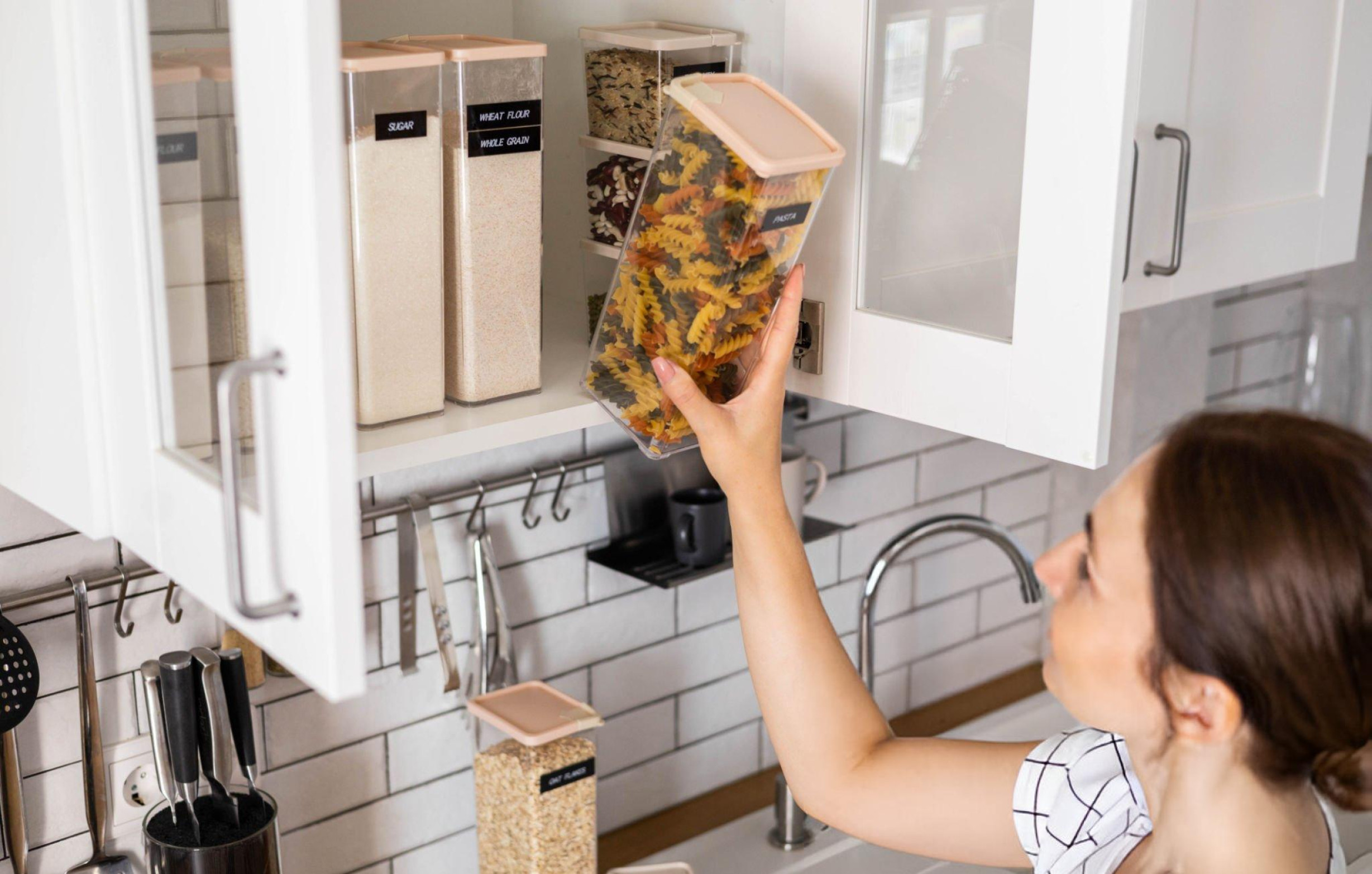
Busy families need kitchen organization systems that can handle the chaos of daily life while making meal preparation faster and easier. Between school lunches, after-school snacks, dinner prep, and weekend cooking projects, family kitchens face constant demands that can quickly turn organized spaces into cluttered confusion. The key is creating simple, sustainable systems that every family member can follow while accommodating the reality of hectic schedules. Good kitchen organization for families goes beyond just having a place for everything. It means creating systems that work even when you’re rushing to get dinner on the table, kids are grabbing snacks, and life is pulling you in multiple directions. The best organizational systems are the ones that maintain themselves with minimal effort while making your daily kitchen tasks more efficient and less stressful. Start with Zones That Match Your Family’s Routine Successful kitchen organization begins with understanding how your family actually uses the kitchen space. Create zones based on your daily activities rather than trying to follow generic organization advice that doesn’t fit your lifestyle. Most busy families benefit from distinct zones for meal prep, snack storage, school supplies, and cleanup activities. The breakfast zone should include everything needed for morning meals within easy reach. Store cereals, coffee, tea, bread for toast, and breakfast dishes in one area so family members can prepare breakfast quickly without searching through multiple cabinets. Include plates, bowls, cups, and utensils that children can safely access independently. Create a dedicated snack zone that kids can access without disrupting meal preparation areas. Use lower cabinets or a designated pantry section for healthy snacks, and include a small bin or basket for grab-and-go items. This zone prevents children from digging through meal ingredients when looking for snacks. The lunch-packing zone centralizes everything needed for school and work lunches. Store lunch boxes, thermoses, napkins, plastic containers, and lunch-making supplies in one area. Include a small basket for lunch money, permission slips, and other school-related items that need to go out the door each morning. Design your dinner prep zone around your most frequently used cooking tools and ingredients. Keep cutting boards, knives, measuring tools, and everyday spices within arm’s reach of your main prep area. This zone should flow logically into cooking and serving areas to minimize movement during meal preparation. Smart Storage Solutions for Family-Sized Needs Family kitchens require storage solutions that accommodate bulk purchases, multiple serving sizes, and the variety of food preferences that come with different ages and dietary needs. Focus on storage systems that keep items visible and accessible while maximizing space efficiency. Use clear containers for pantry storage to make inventory checks quick and easy. Family-sized containers work well for cereals, snacks, and bulk items while keeping food fresh longer than original packaging. Label containers clearly so family members can find what they need and put items back in the correct location. Implement a first-in, first-out system for perishables to reduce food waste. Store newer items behind older ones, and use clear bins in the refrigerator to group similar items together. This system helps you use food before it expires while making meal planning easier. Create designated spaces for each family member’s special dietary needs or preferences. Use separate bins or shelves for gluten-free items, allergy-safe foods, or individual family member’s favorite snacks. This organization prevents cross-contamination while ensuring everyone can find their preferred foods easily. Install pull-out drawers in lower cabinets to improve accessibility for both adults and children. Deep drawers work particularly well for pots, pans, and large serving dishes that are difficult to access in traditional cabinets. Pull-out systems also prevent items from getting lost in the back of deep cabinets. Use vertical space efficiently with stackable bins, shelf risers, and door-mounted storage. Over-the-door organizers work well for cleaning supplies, spices, or small kitchen tools. Stackable bins help maximize cabinet height while keeping categories separated and accessible. Meal Planning and Prep Organization Effective meal planning reduces daily decision-making stress while ensuring your family eats well despite busy schedules. Create systems that make meal planning, grocery shopping, and meal prep more efficient and less time-consuming. Establish a weekly meal planning routine that involves the whole family. Use a visible calendar or whiteboard to plan meals for the week, including who’s responsible for each meal and any special dietary considerations. Include family members in planning to ensure meals everyone will enjoy while teaching children about nutrition and meal preparation. Create a master grocery list organized by store sections to make shopping faster and more efficient. Include categories for produce, dairy, meat, pantry items, and household supplies. Keep the list in a central location where family members can add items as you run out, preventing last-minute shopping trips. Batch prep ingredients on weekends or during less busy times to streamline weeknight cooking. Wash and chop vegetables, cook grains and proteins in advance, and portion out snacks for the week. Store prepped ingredients in clear containers with dates to maintain freshness and safety. Organize your freezer with labeled bins for different types of meals and ingredients. Use one bin for quick breakfast items, another for easy lunch options, and a third for dinner components. This organization makes it easy to find frozen items quickly while preventing food from getting lost in freezer depths. Set up a rotation system for leftovers to ensure they get eaten before spoiling. Use clear containers with dates, and designate specific refrigerator areas for leftovers that need to be eaten soon. Implement family rules about checking for leftovers before starting new meals. Kid-Friendly Organization Systems Children can contribute to kitchen organization when systems are designed with their capabilities in mind. Age-appropriate organization systems teach responsibility while reducing the burden on parents to manage everything independently. Create lower storage areas that children can access safely for dishes, cups, and snacks. Use step stools strategically placed for older children to reach higher areas safely. Ensure that breakable items and dangerous tools are stored safely out of reach while keeping appropriate items accessible. Use