kitchen

Optimizing Kitchen Workflow: Designing Your Kitchen Layout for Maximum Efficiency and Convenience

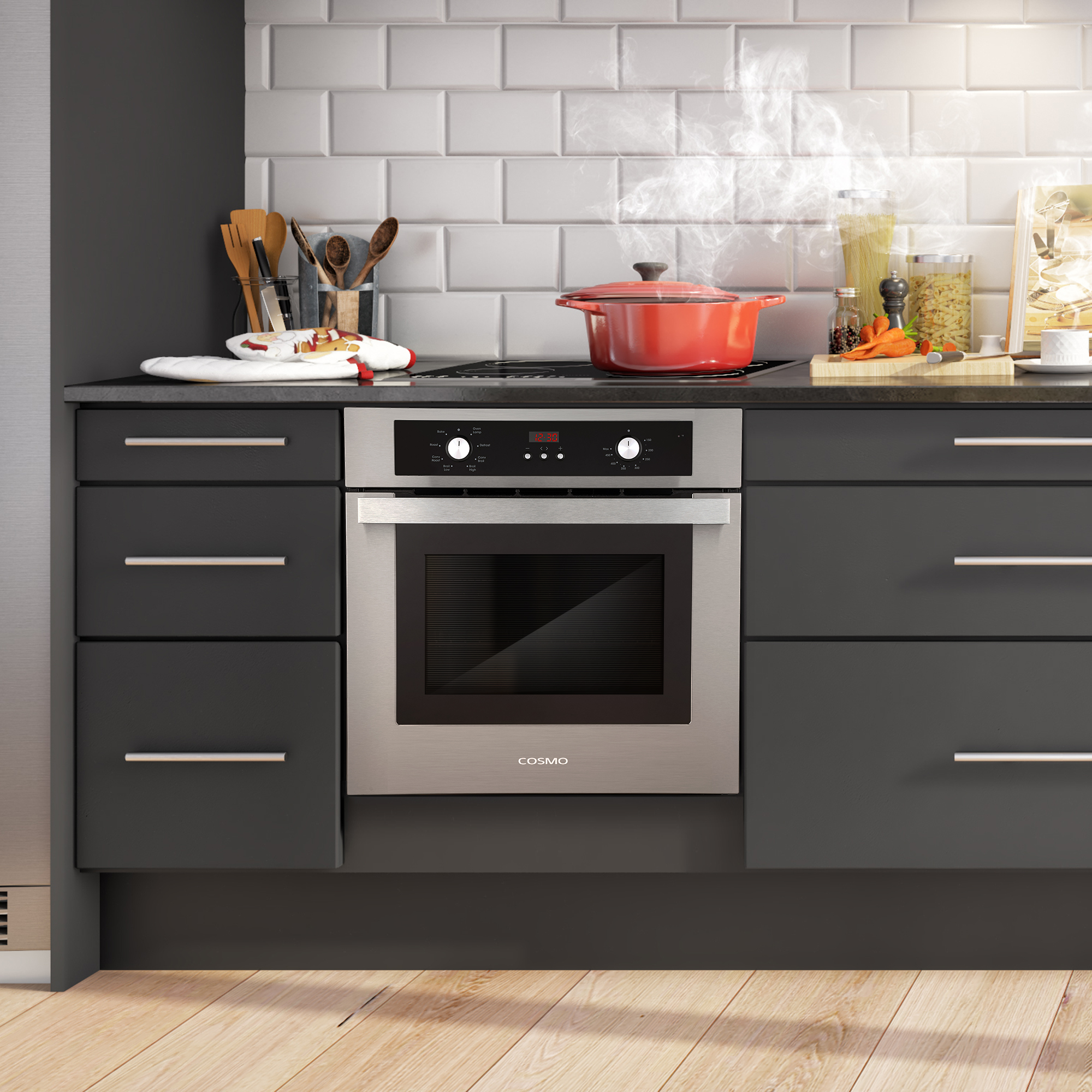
A well-designed kitchen layout is crucial for creating an efficient and enjoyable cooking environment. Whether you’re a culinary enthusiast or just looking to streamline your daily meal prep, optimizing your kitchen workflow can make a significant difference in how smoothly and efficiently you operate. Here’s how to design your kitchen layout to maximize efficiency and convenience. Understanding the Kitchen Work Triangle The Work Triangle is a fundamental concept in kitchen design, which involves placing the three main work areas—the sink, stove, and refrigerator—in a triangular layout. This design minimizes the distance between these key areas, making it easier to move between them and reducing unnecessary steps. The ideal work triangle should have: Prioritizing Workflow Zones Design your kitchen around specific workflow zones to streamline different tasks: Maximizing Storage Efficiency Effective storage solutions are key to maintaining an organized and functional kitchen: Integrating Smart Appliances and Technology Incorporating smart appliances and technology can enhance your kitchen’s efficiency: Ensuring Adequate Lighting Proper lighting is essential for both functionality and ambiance: Creating a Comfortable Work Environment A comfortable and ergonomically designed kitchen can enhance your cooking experience: Personalizing Your Space Finally, personalize your kitchen to reflect your style and preferences: Optimizing your kitchen layout for maximum efficiency and convenience involves thoughtful planning and consideration of your cooking habits, storage needs, and design preferences. By focusing on the kitchen work triangle, prioritizing workflow zones, maximizing storage, integrating smart technology, ensuring proper lighting, creating a comfortable work environment, and personalizing your space, you can create a kitchen that not only enhances your cooking experience but also becomes a central hub for family and friends. With the right design, your kitchen will be both functional and inviting, making every meal preparation a pleasure.
What is an Insert Range Hood and Why Choose the COS-36IRHP?

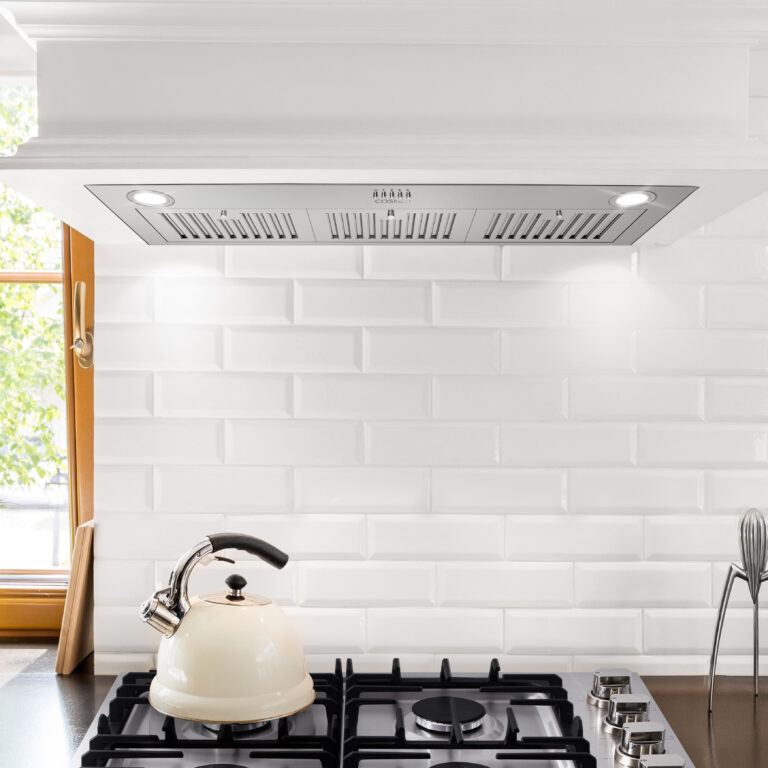
When designing a modern kitchen, functionality and aesthetics go hand in hand. One appliance that seamlessly combines both is the insert range hood. The COS-36IRHP is a standout model designed to deliver efficient ventilation while blending discreetly into your kitchen cabinetry. Here’s what makes an insert range hood essential and why the COS-36IRHP is an excellent choice for your home. What is an Insert Range Hood? An insert range hood, also known as a range hood insert, is a ventilation unit installed within a custom hood enclosure or cabinetry. Unlike traditional range hoods that are visible fixtures, insert hoods are hidden, offering a clean, integrated look. They are ideal for homeowners who want effective ventilation without compromising the kitchen’s aesthetic. Key Benefits of the COS-36IRHP Insert Range Hood 1. Seamless Integration 2. Efficient Ventilation Performance 3. Quiet Operation 4. Energy Efficiency 5. Easy Maintenance Why Choose the COS-36IRHP? The COS-36IRHP Insert Range Hood offers a perfect blend of style, performance, and convenience. Its sleek, hidden design complements any kitchen aesthetic, while its powerful ventilation capabilities ensure your cooking space remains fresh and clean. If you’re looking for an effective, unobtrusive solution for kitchen ventilation, the COS-36IRHP is an excellent choice.

Seasonal Fruits and Vegetables and Their Availability: A Year-Round Guide

Eating seasonally is one of the best ways to enjoy fresh, flavorful produce while also supporting local farmers and reducing your environmental impact. Seasonal fruits and vegetables are not only at their peak in taste and nutrition but are also often more affordable. Understanding what’s in season throughout the year can help you make the most of what nature has to offer. Here’s a comprehensive guide to seasonal fruits and vegetables and their availability by season. Spring Fruits: Vegetables: Summer Fruits: Vegetables: Fall Fruits: Vegetables: Winter Fruits: Vegetables: Eating with the seasons allows you to enjoy produce at its freshest, most flavorful, and often most affordable. By incorporating seasonal fruits and vegetables into your diet, you not only support local agriculture but also ensure that you’re getting the best that each season has to offer. Keep this guide handy to make the most of every season’s bounty and enjoy a varied and nutritious diet year-round.

Creative Kitchen Hack: Use an Overturned Muffin Tin to Create Edible Bowls

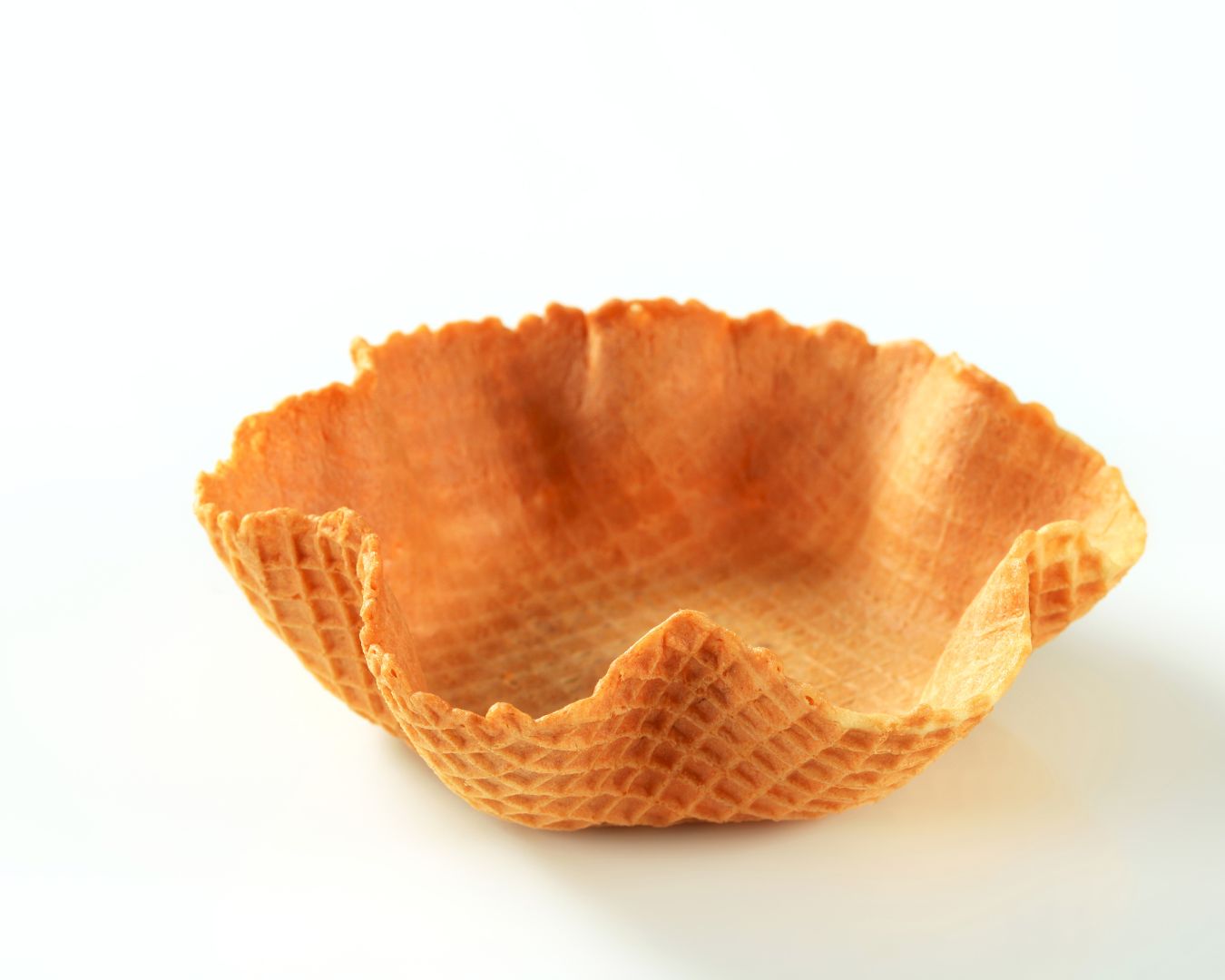
If you’re looking to add a fun and unique touch to your meals, try using an overturned muffin tin to create edible bowls for serving salads or desserts. This clever kitchen hack not only elevates your presentation but also allows you to incorporate more delicious elements into your dishes. Here’s a step-by-step guide on how to achieve this, along with some creative ideas for serving. Why Edible Bowls? Edible bowls are a fantastic way to make your meals more exciting and visually appealing. They’re perfect for parties, special occasions, or simply adding a touch of creativity to your everyday meals. Imagine serving a fresh salad or a decadent dessert in a crispy, edible bowl—it’s sure to impress your guests and make your meal memorable. How to Create Edible Bowls Using a Muffin Tin Ingredients and Supplies: Procedure: Creative Serving Ideas 1. Fresh Salads: Fill your edible bowls with a fresh, crisp salad. The bowl adds a crunchy texture that complements the greens and dressings. Try a classic Caesar salad or a vibrant mixed greens salad. 2. Fruit Desserts: For a sweet twist, serve a fruit salad or a berry medley in the edible bowls. The crispy dough adds a delightful contrast to the juicy fruits. 3. Ice Cream and Sorbet: Create a unique dessert by scooping ice cream or sorbet into the bowls. Add toppings like chocolate chips, fruit, or nuts for extra indulgence. 4. Appetizers: Use the bowls for savory appetizers like bruschetta, dips, or small portions of pasta. The edible bowl adds an extra layer of flavor and texture to your appetizers. Tips for Success Using an overturned muffin tin to create edible bowls is a simple yet innovative way to elevate your dining experience. Whether you’re serving salads, desserts, or appetizers, these edible bowls add a fun and tasty twist to your meals. Give it a try at your next gathering or family dinner, and watch as your guests are delighted by this creative touch!

Understanding Cooktop Control Options: Knobs vs. Touch Controls

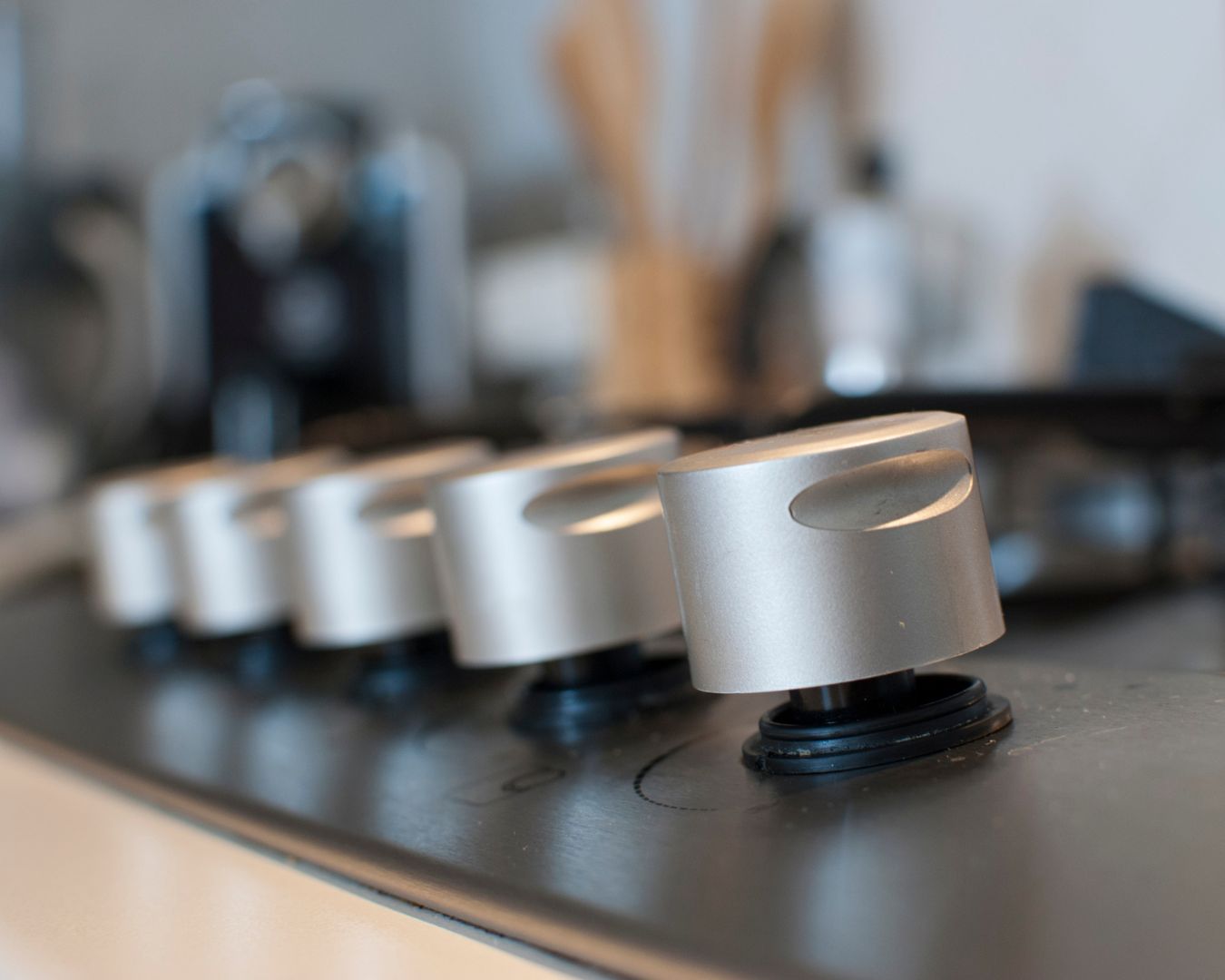
When it comes to choosing a cooktop for your kitchen, the control options can significantly impact your cooking experience. Two popular choices are traditional knobs and modern touch controls. Each option has its own set of advantages and considerations. Understanding these can help you make an informed decision that best suits your cooking style and kitchen needs. Knobs: Classic and Intuitive Pros: Cons: Touch Controls: Modern and Sleek Pros: Cons: Choosing the Right Option 1. Cooking Style: If you prefer precise heat adjustments and a traditional approach, knobs might be the better choice. However, if you value a modern aesthetic and ease of cleaning, touch controls could be more suitable. 2. Kitchen Design: Consider how each control option fits into your kitchen’s design. Knobs may blend well with classic or transitional styles, while touch controls are ideal for contemporary or sleek kitchens. 3. Maintenance: Think about how much effort you want to put into maintaining your cooktop. Touch controls generally require less physical cleaning, but both options should be cleaned regularly to ensure optimal performance. 4. Budget: Touch control cooktops often come with a higher price tag due to their advanced technology. Knobs are generally more affordable but may lack some of the modern features found in touch control models. Both knobs and touch controls have their merits, and the right choice depends on your preferences and needs. Knobs offer familiarity and precision, while touch controls provide a sleek, modern design and advanced features. By considering your cooking style, kitchen design, and maintenance preferences, you can choose the cooktop control option that best enhances your cooking experience and complements your kitchen’s aesthetics.

Maximizing Storage: How to Organize 48 Bottles Efficiently in the COS-24BIWCS

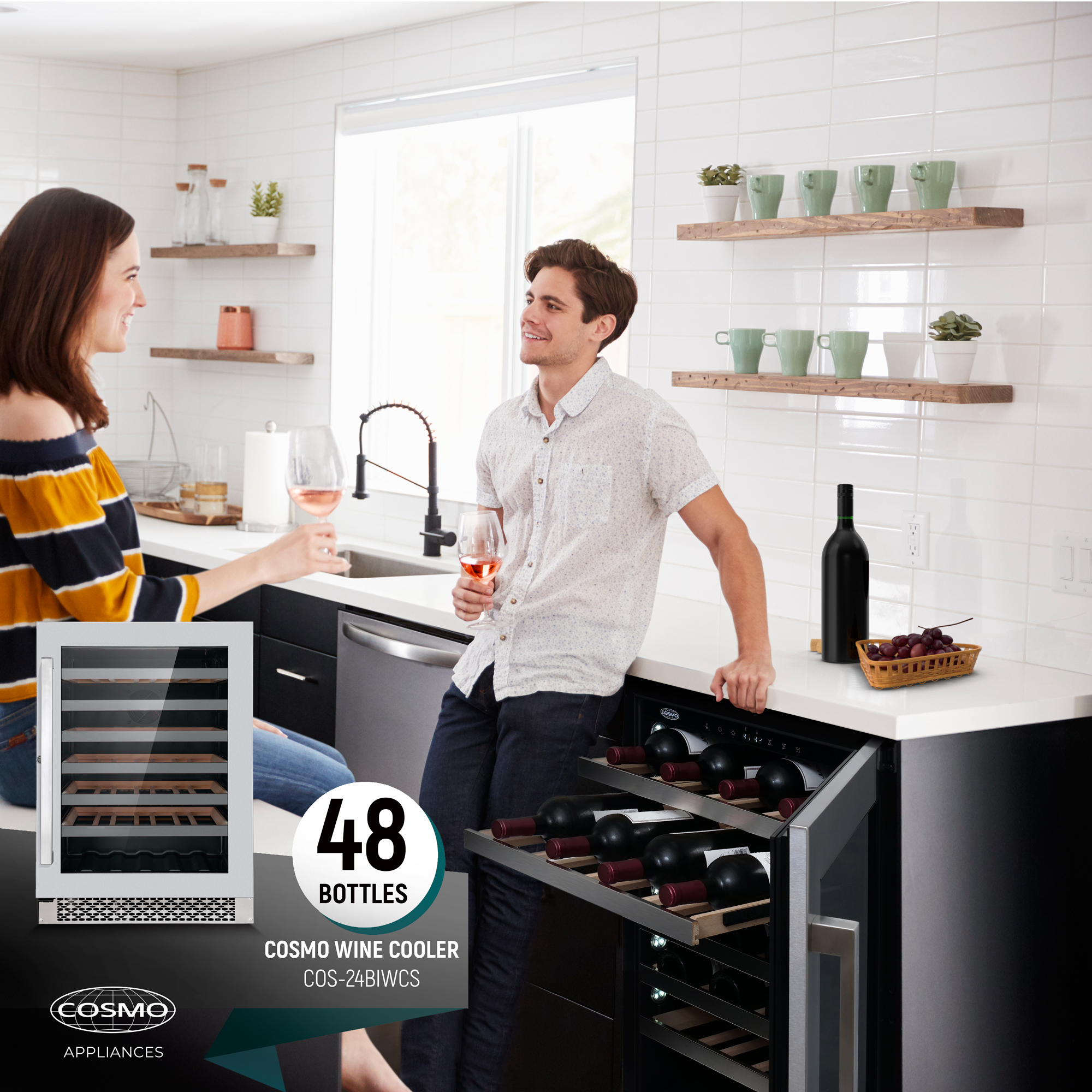
The COS-24BIWCS 24″ Stainless Steel 48-Bottle Wine Cooler is designed to elevate your wine storage experience, blending sleek aesthetics with superior functionality. Whether you’re a seasoned collector or a casual enthusiast, optimizing the space within this cooler can help you maintain your wine collection efficiently. Here’s how to maximize the storage capacity and keep your bottles organized. Understanding the Design for Optimal Use The COS-24BIWCS features: Strategies for Efficient Wine Organization 1. Sort by Wine Type Group wines into categories: Organizing by type not only makes selection easier but also helps maintain optimal storage temperatures. 2. Utilize the Adjustable Shelving 3. Label for Quick Identification Use discreet, removable labels on the bottle necks or shelves to quickly identify vintages, varietals, or regions without disrupting the arrangement. 4. Rotate Your Collection For wines meant to be consumed sooner, position them at the front. Keep aging bottles towards the back to minimize handling and disturbance. 5. Consider Bottle Orientation Store bottles horizontally to keep corks moist, preventing air from entering and spoiling the wine. The COS-24BIWCS’s design supports this orientation seamlessly. Maintenance Tips for Long-Term Efficiency The COS-24BIWCS 24″ Stainless Steel 48-Bottle Wine Cooler offers versatile, efficient storage for any wine lover. By organizing your collection thoughtfully and maintaining the unit properly, you can enjoy your wines at their finest, anytime.

Composting in the Kitchen: How to Start and the Benefits for Your Garden

Composting is an eco-friendly practice that turns kitchen scraps and yard waste into nutrient-rich compost for your garden. By starting a composting routine in your kitchen, you can reduce food waste, enrich your soil, and contribute to a healthier environment. Here’s a guide to help you get started with kitchen composting and explore the benefits it brings to your garden. Understanding Composting Composting is the natural process of decomposing organic matter into a nutrient-rich soil amendment. This process involves breaking down materials such as fruit and vegetable scraps, coffee grounds, and yard waste into compost that can be used to improve soil health and support plant growth. Getting Started with Kitchen Composting Choose the Right Composting Method: Select Your Composting Container: Gather Compostable Materials: Create a Balanced Mix: Maintain Moisture Levels: Benefits of Composting for Your Garden Enhances Soil Fertility: Reduces Waste: Promotes Healthy Plants: Supports Eco-Friendly Gardening: Tips for Successful Composting Composting in the kitchen is a simple yet powerful way to reduce waste and enhance your garden’s health. By choosing the right composting method, maintaining a balanced mix of materials, and reaping the benefits for your soil, you contribute to a more sustainable environment and a thriving garden. Start composting today and watch as your kitchen scraps transform into valuable, nutrient-rich compost that supports the growth and vitality of your plants. Embrace composting and make a positive impact on both your garden and the planet!

Convection vs. Conventional Wall Ovens: Understanding the Differences

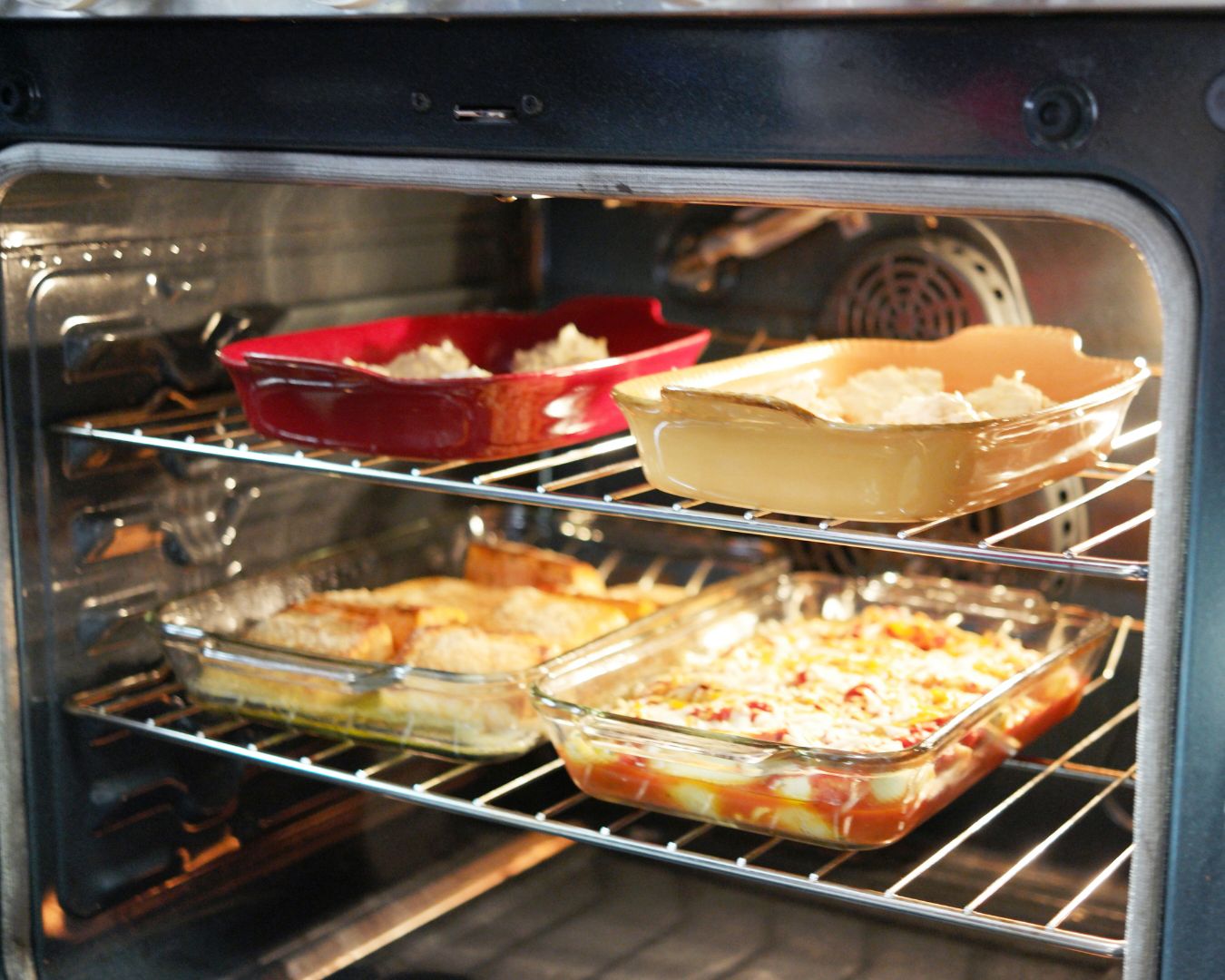
When it comes to choosing a wall oven, understanding the differences between convection and conventional models can significantly impact your cooking results. Both types have their unique benefits and are designed to meet various cooking needs. Here’s a comprehensive guide to help you make an informed decision and optimize your culinary experiences. Conventional Wall Ovens How They Work: Conventional wall ovens rely on a heating element located at the top and bottom of the oven cavity. Heat is generated and radiates from these elements, cooking food primarily through direct heat and natural convection (the movement of hot air rising and cooler air descending). Cooking Performance: Conventional ovens are well-suited for traditional baking and roasting. They provide consistent, reliable results, especially for recipes where a stable, steady heat is essential. However, due to the lack of a fan, heat distribution can sometimes be uneven, leading to potential hot spots in the oven. Ideal Uses: Conventional ovens excel in baking dishes like casseroles, cookies, and cakes that require precise temperature control. They are also great for roasting meats and vegetables, where the slower, consistent heat helps develop rich flavors and textures. Convection Wall Ovens How They Work: Convection wall ovens feature a built-in fan and an additional heating element located at the back of the oven. The fan circulates hot air throughout the oven cavity, promoting even heat distribution and faster cooking. Cooking Performance: The primary advantage of convection ovens is their ability to cook food more evenly and efficiently. The circulating air helps reduce cooking times and ensures that food is cooked uniformly, making them ideal for baking multiple trays of cookies or roasting large cuts of meat. Ideal Uses: Convection ovens are versatile and perform exceptionally well for tasks like baking pies, bread, and pastries with a crisp, golden crust. They are also excellent for roasting vegetables and meats, as the even heat distribution enhances browning and caramelization. Key Differences Heat Distribution: Convection ovens offer superior heat distribution thanks to the fan, which ensures more even cooking. Conventional ovens may have hot spots and uneven heating, requiring rotation or adjustment of racks for uniform results. Cooking Time: Convection ovens generally cook food faster than conventional ovens. The circulating air allows for quicker heat transfer, which can reduce cooking times by up to 25%. Temperature Adjustments: When using a convection oven, you may need to adjust the cooking temperature. It’s often recommended to lower the temperature by 25°F (14°C) from what a recipe calls for in a conventional oven, due to the increased efficiency. Energy Efficiency: Convection ovens can be more energy-efficient because they cook food faster and at a lower temperature. This can lead to reduced energy consumption over time. Choosing the Right Oven for You Consider Your Cooking Style: If you frequently bake multiple trays of cookies or roast large quantities of food, a convection oven can be a game-changer. Its even heat distribution and faster cooking times can streamline your meal preparation. Evaluate Your Kitchen Space: Both convection and conventional wall ovens come in various sizes and designs. Ensure that the oven you choose fits well with your kitchen layout and meets your cooking needs. Budget Considerations: While convection ovens can be more expensive, they offer enhanced performance and efficiency. Weigh the benefits against your budget to make the best choice for your kitchen. Understanding the differences between convection and conventional wall ovens can help you select the right appliance for your cooking needs. Convection ovens offer faster, more even cooking, ideal for those who frequently bake or roast. Conventional ovens provide reliable, consistent results and are well-suited for traditional cooking methods. By considering your cooking style, kitchen space, and budget, you can make an informed decision and enhance your culinary experience.

Kitchen Renovation Ideas Without Breaking the Bank

Renovating your kitchen doesn’t have to break the bank. With a little creativity and strategic planning, you can make significant improvements to your kitchen space without spending a fortune. Here’s a guide to budget-friendly kitchen renovation ideas that will help you achieve a stylish and functional kitchen while keeping your budget in check. Refresh Your Cabinets Paint or Refinish Cabinets: Update Hardware: Upgrade Your Backsplash DIY Backsplash Installation: Painted Backsplash: Refresh Your Countertops Countertop Coverings: Add a Countertop Overlay: Improve Lighting Update Light Fixtures: DIY Lighting Solutions: Optimize Storage Solutions DIY Shelving: Organize Cabinets: Revamp Your Sink Area Replace Faucet: Sink Accessories: Add a Fresh Coat of Paint Wall Colors: Accent Walls: Upgrade Flooring Affordable Flooring Options: DIY Installation: Renovating your kitchen on a budget is entirely possible with a bit of creativity and resourcefulness. By refreshing cabinets, updating the backsplash, improving lighting, and exploring affordable flooring and countertop options, you can achieve a stylish and functional kitchen without overspending. Embrace DIY projects, make smart design choices, and focus on maximizing your existing space to create a kitchen you’ll love. With these budget-friendly renovation ideas, you can make big changes on a small budget and enjoy a beautifully updated kitchen that enhances your home.

Space-Saving Elegance: The Benefits of a 24” Wall Oven Like the C51EIX

In modern kitchens where efficiency and aesthetics are equally important, the C51EIX 24″ Wall Oven offers a perfect blend of style and functionality. Its compact design doesn’t compromise on performance, making it an ideal choice for both small and spacious kitchens. Here’s how the C51EIX brings space-saving elegance and cooking excellence to your home. Compact Design, Maximum Efficiency The 24” size of the C51EIX is specifically crafted for kitchens where space optimization is key. Its sleek profile allows for flexible installation options, whether in a wall cabinet, under the counter, or stacked with other appliances. Despite its compact footprint, the oven offers ample cooking capacity to handle everything from everyday meals to holiday feasts. Key Benefits of the C51EIX 24” Wall Oven 1. Space-Saving Versatility 2. Sleek, Modern Aesthetics 3. Advanced Cooking Performance 4. Energy Efficiency Making the Most of Your C51EIX Wall Oven The C51EIX 24″ Wall Oven embodies the perfect balance of space-saving design and high-performance cooking. Its elegant appearance, energy efficiency, and versatile functionality make it an excellent addition to any kitchen, whether you’re working with limited space or simply seeking a sleek, modern upgrade.