kitchen

Cooking with the Cosmo COS-23AFAKB 2.3-Quart Compact Electric Air Fryer

Air fryers have revolutionized home cooking, offering a healthier way to enjoy crispy and delicious meals without excessive oil. The Cosmo COS-23AFAKB 2.3-Quart Compact Electric Air Fryer is an excellent addition to many kitchens, providing convenience, efficiency, and versatility in a compact design. Why an Air Fryer is a Must-Have Appliance Air fryers use rapid air circulation to cook food evenly, producing crispy textures similar to deep frying but with significantly less oil. This makes them a healthier alternative while also being faster and easier to use compared to traditional ovens. Whether you’re looking to fry, bake, roast, or reheat, an air fryer simplifies meal prep with minimal mess and effort. Key Features of the COS-23AFAKB Benefits of Choosing the COS-23AFAKB The compact size makes it ideal for small kitchens, dorms, and RVs while still providing efficient and even cooking. Its quick preheating time and easy cleanup make meal preparation hassle-free. Additionally, with healthier cooking options, you can indulge in crispy favorites without the guilt.The Cosmo COS-23AFAKB 2-Quart Compact Electric Air Fryer is a game-changer for those looking to cook delicious, healthier meals with ease. Whether you’re making crispy fries, roasted vegetables, or even baked goods, this air fryer is a versatile tool that enhances your cooking experience.

How to Make Your Own Dried Fruits at Home

Dried fruits are a delicious and nutritious snack that can be enjoyed year-round. They are perfect for adding to trail mixes, cereals, or baked goods, and they also make a healthy on-the-go snack. While store-bought dried fruits are convenient, they often contain added sugars and preservatives. Making your own dried fruits at home allows you to control the ingredients and create a healthier, more natural product. Plus, it’s a great way to preserve fruits when they are in season. In this blog post, we’ll guide you through the process of making your own dried fruits at home. Why Make Your Own Dried Fruits? Choosing the Right Fruits Not all fruits are created equal when it comes to drying. Some fruits dry better than others, and some may require more preparation. Here are some of the best fruits to dry at home: Preparation Drying Methods There are several methods you can use to dry fruits at home. The method you choose may depend on the equipment you have available and the type of fruit you’re drying. 1. Using a Dehydrator A dehydrator is the most efficient and controlled method for drying fruits. It circulates warm air around the fruit, removing moisture while preserving nutrients. Steps: Tips: 2. Oven Drying If you don’t have a dehydrator, your oven can do the job. Oven drying is a bit less precise but still effective. Steps: Tips: 3. Sun Drying Sun drying is the most traditional method, but it requires the right conditions: hot, dry weather with temperatures consistently above 85°F. Steps: Tips: Storing Your Dried Fruits Once your fruit is dried, it’s important to store it properly to maintain freshness. Enjoying Your Homemade Dried Fruits Homemade dried fruits are incredibly versatile. Enjoy them as a snack on their own, mix them into granola or oatmeal, add them to baked goods, or rehydrate them for use in recipes like stews, sauces, or desserts. Making your own dried fruits at home is a rewarding process that allows you to enjoy your favorite fruits year-round. With a little time and effort, you can create healthy, preservative-free snacks that are both delicious and nutritious. Whether you use a dehydrator, oven, or even the sun, the key to success is patience and attention to detail. Give it a try, and you’ll soon be enjoying the sweet taste of homemade dried fruits.

How to Remove Burnt Food from Pots and Pans

We’ve all been there: a moment of distraction in the kitchen leads to burnt food stuck to the bottom of your favorite pot or pan. Not only can this be frustrating, but it can also seem impossible to clean without damaging the cookware. Thankfully, there are several effective methods to tackle burnt food and restore your pots and pans to their former glory. In this blog post, we’ll explore different techniques to remove burnt food from various types of cookware. Understanding Your Cookware Before diving into cleaning methods, it’s important to know what type of cookware you’re dealing with. Different materials require different care: Method 1: The Boiling Water and Baking Soda Method Best for: Stainless steel, enamel-coated, and some non-stick pans. Instructions: Tips: Method 2: The Vinegar and Baking Soda Soak Best for: Stainless steel, cast iron, enamel-coated, and non-stick pans (with care). Instructions: Tips: Method 3: The Salt Scrub Best for: Cast iron and stainless steel. Instructions: Tips: Method 4: The Overnight Soak Best for: All types of cookware. Instructions: Tips: Method 5: The Aluminum Foil Ball Scrub Best for: Stainless steel and enamel-coated cookware. Instructions: Tips: Additional Tips and Precautions Burnt food on pots and pans can be a hassle, but with the right methods, it’s possible to clean even the most stubborn messes. Whether you prefer the gentle soak or the abrasive power of baking soda and vinegar, these techniques will help you restore your cookware to its pristine condition. By understanding your cookware and using the appropriate cleaning method, you can ensure that your pots and pans stay in great shape for years to come.

Upgrade Your Kitchen with the Cosmo COS-QS90 36-Inch Under Cabinet Range Hood

A professional style range hood is essential for maintaining a clean, fresh, and odor-free kitchen. The Cosmo COS-QS90 36-Inch Under Cabinet Range Hood offers efficient ventilation, quiet operation, and a sleek stainless-steel design that enhances any cooking space. Why a Professional Style Range Hood Matters A reliable range hood removes smoke and odors to improve air quality. It also prevents grease buildup, reduces airborne contaminants, and enhances cooking comfort by minimizing heat and humidity. These benefits make it an essential appliance for any modern kitchen. Key Features of the COS-QS90 Benefits of Choosing the COS-QS90 With its high-powered ventilation and ultra-quiet operation, the COS-QS90 enhances the cooking experience while maintaining a stylish appearance. The low-maintenance filters reduce ongoing costs, while bright LED lighting improves visibility. With multiple installation options, it adapts to various kitchen layouts with ease. The Cosmo COS-QS90 36-Inch Under Cabinet Range Hood is a smart investment for homeowners looking to upgrade their kitchen. Its combination of power, quiet operation, and easy maintenance makes it a standout choice.

Proper Storage of Spices to Maintain Freshness

Spices are the heart of any kitchen, transforming ordinary dishes into flavorful creations. However, to get the most out of your spices, it’s essential to store them properly. Improper storage can lead to loss of flavor, aroma, and potency over time. In this blog post, we’ll explore the best practices for storing spices to ensure they remain fresh and vibrant for as long as possible. Why Proper Storage Matters Spices contain volatile oils that give them their distinctive flavors and aromas. When these oils are exposed to light, heat, air, or moisture, they begin to degrade, causing the spices to lose their potency. Proper storage helps to preserve these oils, ensuring that your spices retain their flavor and nutritional benefits for an extended period. General Guidelines for Storing Spices Specific Storage Tips for Different Types of Spices Additional Tips for Maintaining Spice Freshness Proper storage of spices is key to maintaining their freshness, flavor, and nutritional benefits. By keeping your spices away from heat, light, air, and moisture, and by storing them in airtight containers, you can extend their shelf life and ensure that they remain a vibrant part of your culinary creations. Remember to buy in small quantities, label and date your spices, and enjoy the enhanced flavors that fresh spices bring to your cooking. 

Different Cooking Methods for Root Vegetables: Roasting, Mashing, Frying, and More

Root vegetables, such as potatoes, carrots, beets, and parsnips, are versatile and nutritious ingredients that can be prepared in a variety of ways. Their hearty texture and natural sweetness make them a staple in many cuisines around the world. In this blog post, we’ll explore different cooking methods for root vegetables, each bringing out unique flavors and textures. Whether you’re looking to roast, mash, fry, or try something new, there’s a method to suit every palate. Roasting: Enhancing Natural Sweetness Roasting is one of the most popular methods for cooking root vegetables. This technique involves cooking the vegetables in a hot oven, which caramelizes their natural sugars and enhances their flavors. Benefits: Roasting brings out the natural sweetness of root vegetables and gives them a crispy exterior with a tender inside. Mashing: Comfort in Every Bite Mashing root vegetables creates a creamy, comforting dish that’s a great alternative to traditional mashed potatoes. This method is perfect for creating smooth, buttery side dishes. Benefits: Mashing is a versatile method that allows you to create a variety of flavors and textures, from rustic and chunky to silky and smooth. Frying: Crispy and Satisfying Frying is a method that adds a crispy exterior to root vegetables, making them irresistibly delicious. Whether you’re frying in a pan or deep-frying, this technique creates a satisfying crunch. Benefits: Frying gives root vegetables a crispy texture that’s perfect for snacks or side dishes. Boiling: Simple and Nutritious Boiling is one of the simplest methods for cooking root vegetables. It’s quick, easy, and preserves the natural flavors of the vegetables. Benefits: Boiling is a straightforward method that retains the nutrients in root vegetables and prepares them for other dishes. Steaming: Retaining Nutrients and Flavor Steaming is a gentle cooking method that preserves the nutrients and natural flavors of root vegetables. It’s ideal for those who prefer a simple, healthy preparation. Benefits: Steaming preserves the color, texture, and nutritional value of root vegetables while keeping them tender. Grilling: Smoky and Charred Goodness Grilling root vegetables adds a smoky flavor and appealing charred edges, making them a perfect addition to summer barbecues or as a side dish. Benefits: Grilling imparts a unique, smoky flavor to root vegetables and adds a satisfying char that enhances their natural sweetness. Root vegetables are incredibly versatile, offering a range of textures and flavors depending on the cooking method you choose. Whether you prefer the sweetness brought out by roasting, the creamy comfort of mashing, the crispiness of frying, or the simplicity of boiling and steaming, there’s a method to suit every taste. Experiment with different techniques to find your favorite way to enjoy these nutritious and delicious vegetables.

The Role of Detergents in Dishwashing: Finding the Best Option

When it comes to dishwashing, whether by hand or using a dishwasher, the detergent you choose plays a crucial role in ensuring your dishes come out sparkling clean. But with so many options on the market, how do you determine which detergent is best for your needs? This blog post will dive into the role of detergents in dishwashing and guide you in finding the best option. Understanding the Role of Detergents Detergents are specifically formulated to break down grease, remove food particles, and prevent stains from redepositing on your dishes. They work by combining surfactants, enzymes, and other cleaning agents to effectively clean and sanitize your dishes. Here’s a closer look at how these components work: Types of Dishwasher Detergents Dishwasher detergents come in several forms, each with its advantages and disadvantages. Understanding these options can help you make the best choice for your dishwasher and cleaning needs. Choosing the Right Detergent To find the best detergent for your dishwashing needs, consider the following factors: Maximizing Detergent Effectiveness Even with the best detergent, your dishwashing results can suffer if you’re not using it properly. Here are some tips to ensure optimal cleaning: Choosing the right detergent is essential for achieving spotless, sparkling dishes. By understanding the role of detergents and considering your specific needs, you can find the best option that not only cleans effectively but also fits your lifestyle and values. Whether you prefer powders, liquids, or pods, the key is to match the detergent to your dishwashing routine for the best results.

French Door Refrigerators: Why COS-FDR223GWSS is a Must-Have for Modern Kitchens

A refrigerator is one of the most important appliances in any kitchen. It’s not just about keeping food fresh; it’s about convenience, efficiency, and style. Among the many options available, French door refrigerators stand out as a top choice for modern kitchens. Their sleek design, spacious interiors, and innovative features make them a must-have. The COS-FDR223GWSS from Cosmo Appliances is an efficient French door refrigerator designed to enhance the functionality and aesthetics of your kitchen. Let’s explore why this model is a game-changer and why you should consider upgrading to it. What Makes French Door Refrigerators Special? French door refrigerators combine the best aspects of side-by-side and bottom freezer designs. Here’s why they are so popular: Key Features of the COS-FDR223GWSS The COS-FDR223GWSS French door refrigerator is packed with innovative features that set it apart from the competition. Here’s what makes it an excellent choice: Counter-Depth Design: 36-inch French door refrigerator blends seamlessly into modern kitchens. Spacious Capacity: Total of 22.4 cu. ft. (15.5 cu. ft. for fresh food, 6.9 cu. ft. for frozen items). Digital Touch Controls: Easy-to-reach temperature controls for precise adjustments in both compartments. Durable Shelving: Easy-to-clean shelves simplify maintenance. Slide-Out Freezer Drawer: Efficient organization of frozen foods. Bright LED Lighting: Ensures clear visibility of all stored items. Fingerprint-Resistant Finish: Stainless steel exterior resists smudges and fingerprints for a pristine look. Automated Ice Maker: Conveniently located in the freezer drawer. Storage Solutions: Door bins for condiments and smaller bottles, plus crisper drawers to keep produce fresher longer. Door Alarm: Gently beeps when doors are left ajar to promote energy efficiency. Soft-Close Mechanism: Gentle closing for both refrigerator and freezer doors. Why the COS-FDR223GWSS is a Must-Have for Modern Kitchens 1. Perfect Blend of Style and Functionality With its premium stainless steel exterior and sophisticated design, the COS-FDR223GWSS complements many modern kitchen aesthetics. The French door layout enhances accessibility and efficiency. 2. Maximized Storage and Organization The versatile shelving options and spacious compartments ensure that you can store a variety of items without clutter. Whether you’re stocking up on fresh produce or meal-prepping for the week, this refrigerator has the space you need. 3. Ideal for Families and Entertainers For households that love to cook or entertain, this refrigerator provides ample storage for large grocery hauls and platters. The wide doors allow you to see everything at a glance, making meal planning and preparation easier. 4. Long-Term Freshness and Preservation With its cooling system and drawers, your food stays fresher for longer, reducing waste and ensuring that ingredients maintain their optimal quality. 5. Smart Investment for Energy Savings The COS-FDR223GWSS is designed to be energy-efficient, helping you cut down on electricity costs without compromising performance. The COS-FDR223GWSS French door refrigerator is more than just an appliance—it’s a modern kitchen essential. Its sleek design, spacious storage, advanced cooling technology, and energy efficiency make it an outstanding choice for homeowners who want both functionality and style. If you’re looking to upgrade your kitchen with a refrigerator that meets the demands of a busy household while enhancing the overall aesthetic, the COS-FDR223GWSS is the perfect investment. Experience the convenience and luxury of a high-end French door refrigerator today!

How to Prepare Tofu and Tempeh: A Guide for Delicious Plant-Based Meals

Tofu and tempeh are two versatile and nutrient-rich plant-based proteins that have become staples in vegetarian and vegan diets. Both are made from soybeans, but they have distinct textures, flavors, and preparation methods. Whether you’re new to plant-based cooking or looking to expand your culinary repertoire, this guide will walk you through the basics of preparing tofu and tempeh, offering tips and techniques to create delicious and satisfying dishes. Understanding Tofu and Tempeh Tofu is made by curdling fresh soy milk, pressing it into solid blocks, and cooling it—similar to the process of making cheese. It comes in various textures, from silken to extra firm, making it suitable for a wide range of dishes. Tofu has a mild flavor, which allows it to absorb the flavors of marinades and sauces easily. Tempeh is made by fermenting cooked soybeans with a specific type of mold, creating a firm, nutty, and slightly earthy-tasting product. Unlike tofu, tempeh has a more robust texture and can be sliced, crumbled, or cubed. The fermentation process also makes tempeh a good source of probiotics, which are beneficial for gut health. How to Prepare Tofu 1. Choosing the Right Tofu 2. Pressing Tofu Pressing tofu removes excess water, which helps it absorb marinades better and achieve a firmer texture. Here’s how to press tofu: 3. Marinating Tofu Tofu’s mild flavor makes it an excellent canvas for marinades. Here’s a basic marinade recipe: 4. Cooking Tofu How to Prepare Tempeh 1. Steaming Tempeh Steaming tempeh before cooking helps soften its texture and reduce any bitterness. Here’s how: 2. Marinating Tempeh Like tofu, tempeh benefits from marinating to enhance its flavor. Use a similar marinade as you would for tofu or try a bolder mix with ingredients like coconut milk, curry paste, or smoked paprika. 3. Cooking Tempeh 4. Crumbling Tempeh Tempeh can be crumbled and used as a plant-based alternative to ground meat in recipes like tacos, chili, or pasta sauces. Recipe Ideas for Tofu and Tempeh Tofu Stir-Fry: Marinate tofu in soy sauce, garlic, and ginger, then stir-fry with your favorite vegetables and serve over rice or noodles. Tempeh Tacos: Marinate crumbled tempeh in taco seasoning, then sauté until crispy. Serve in tortillas with avocado, salsa, and fresh cilantro. Tofu Scramble: Crumble firm tofu and cook with turmeric, garlic powder, and your favorite vegetables for a plant-based alternative to scrambled eggs. BBQ Tempeh Sandwiches: Marinate tempeh in BBQ sauce, grill, and serve on a bun with coleslaw and pickles. Tofu and tempeh are versatile, nutrient-rich plant-based proteins that can be prepared in a variety of delicious ways. Whether you prefer the soft, absorbent texture of tofu or the firm, nutty taste of tempeh, these soy-based foods offer endless possibilities for creating satisfying meals. By following these preparation tips and experimenting with different recipes, you can enjoy the full potential of tofu and tempeh in your plant-based cooking.

Maximizing Energy Efficiency with the COSMO 30” Gas Cooktop (COS-DIC304)

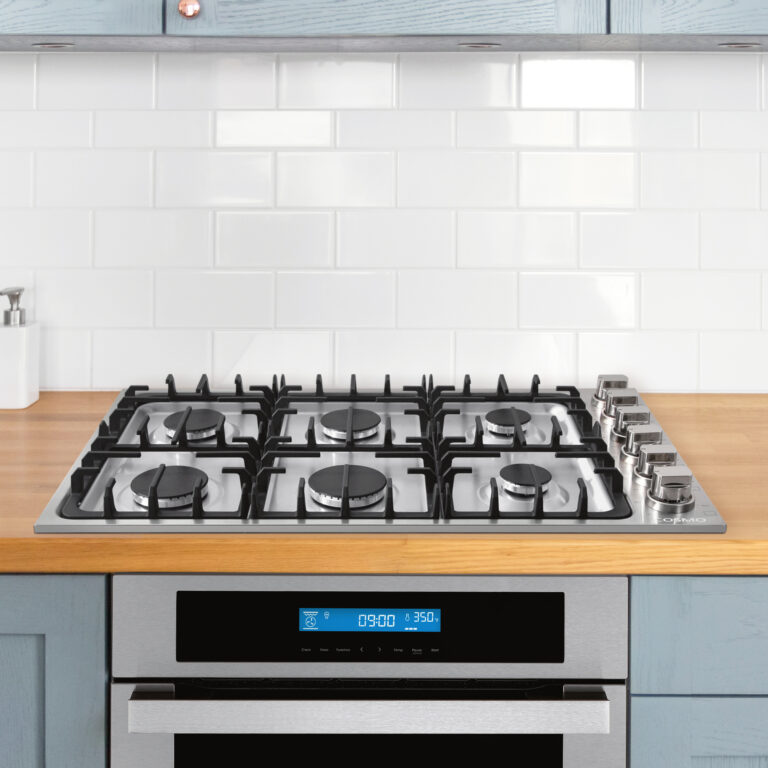
The COSMO 30” Stainless Steel Drop-In Gas Cooktop (COS-DIC304) is a powerhouse in the kitchen, providing excellent performance with its 4 sealed burners. But with the rising costs of utilities and an increasing focus on sustainability, many homeowners are looking for ways to use their kitchen appliances more efficiently. If you’re planning to get the most out of your new cooktop, here are some energy-saving tips to keep your cooking efficient while keeping costs low. 1. Match Your Cookware to the Burner Size One of the simplest and most effective ways to increase energy efficiency is by using the right cookware for each burner. The COSMO COS-DIC304 features different-sized burners, each designed for specific tasks. To get the most out of your gas burners: When you use the appropriately sized pot or pan, you avoid wasting energy by heating an oversized pot with a smaller burner, or vice versa. 2. Keep Lids On When Cooking Covering your pots and pans with a tight-fitting lid helps trap heat and steam inside, allowing food to cook faster. This reduces the amount of time you need the burner on, saving both energy and gas. Plus, it helps preserve the flavors and nutrients in your food. 3. Use the Right Flame Level With the COSMO COS-DIC304, you have full control over the flame. For energy efficiency, you don’t always need to turn the burner up to its highest setting. Cooking on medium heat is often more than sufficient for many tasks, from boiling pasta to simmering sauces. Overheating food or boiling water at full blast wastes energy, so aim to adjust the flame based on your cooking needs. 4. Keep the Burner Clean The sealed burners on the COSMO COS-DIC304 are designed for easy cleaning, but don’t overlook the importance of maintenance. Regularly cleaning the burners and surrounding areas ensures maximum heat transfer. If food residue or grease builds up on the burner caps, it can block the flame and reduce efficiency, meaning you’ll need to use more gas to reach the desired cooking temperature. 5. Preheat Efficiently When using the cooktop for high-heat cooking (like frying or grilling), it’s tempting to preheat the pan for a long time. Instead, use shorter preheating times to reduce energy consumption. Simply place your cookware on the burner for a few minutes to allow it to heat up before cooking. 6. Cook in Batches When Possible If you’re preparing multiple items, consider batch cooking on the COSMO COS-DIC304. Cooking more food at once means using the burner for longer periods, but also allows you to make the most out of each cooking session without wasting heat. This can be especially useful when cooking meals for the week, making leftovers, or preparing dishes that require similar cooking temperatures. 7. Turn Off Early and Let Residual Heat Finish Cooking Cooktops cool down quickly after the flame is turned off, so you can take advantage of the residual heat from your burners. For dishes that need a bit of extra time after the burner is turned off—like rice or stews—simply turn the burner off a few minutes before the cooking time ends and let the heat do the work. 8. Ensure Proper Ventilation This tip isn’t just about energy efficiency—it’s about cooking safety. The COSMO COS-DIC304 features high-performance burners that generate significant heat. Make sure to keep your kitchen well-ventilated so that you don’t waste energy trying to cool the space down after cooking. A good range hood can help vent excess heat and keep your kitchen comfortable, allowing you to avoid turning on additional cooling systems. 9. Plan Cooking Times Around Busy Hours If your household is particularly busy, consider meal planning during times when you’ll be using the cooktop anyway. This minimizes wasted energy, especially if you’re already preparing multiple meals at once. You can also combine stovetop cooking with baking in your oven, using both appliances efficiently. 10. Use Pressure Cookers and Steamers While the COSMO COS-DIC304 has burners that handle most cooking tasks with ease, pressure cookers and steamers are fantastic for speeding up cooking times and saving energy. These appliances require less heat and shorten cooking durations, helping you make the most of your cooktop while using less gas.With a few small adjustments, the COSMO 30” Stainless Steel Drop-In Gas Cooktop (COS-DIC304) can be even more energy-efficient, helping you cook like a pro while keeping costs down. From using the right cookware to making the most of residual heat, these tips will help you achieve perfectly cooked meals without wasting energy. After all, a little efficiency goes a long way in both your cooking and your utility bills!