dinner ideas

Mastering the Art of Cleaning Sashimi: A Step-by-Step Guide

Sashimi, the delicate and delectable Japanese dish featuring raw fish, requires meticulous preparation to ensure both safety and flavor. Properly cleaning sashimi-grade fish is crucial to achieving the best taste and texture while maintaining high standards of hygiene. Here’s a comprehensive guide to help you clean sashimi like a pro. Choosing the Right Fish Before you start, make sure you purchase sashimi-grade fish from a reputable source. Sashimi-grade indicates that the fish has been frozen to kill any parasites, ensuring it’s safe for raw consumption. Step 1: Prepare Your Tools You’ll need a few essential tools: Step 2: Rinse the Fish Start by rinsing the fish under cold running water to remove any surface impurities. Pat it dry with paper towels to ensure a clean work surface. Step 3: Fillet the Fish Step 4: Remove the Skin For a traditional sashimi presentation, remove the skin: Step 5: Clean and Trim Step 6: Chill the Fish To keep the sashimi fresh, place the cleaned fillets in a bowl covered with plastic wrap and refrigerate until ready to serve. Final Tips With these steps, you’ll be able to prepare sashimi with the precision and care it deserves, creating a restaurant-quality experience right at home. Enjoy your perfectly cleaned sashimi with traditional accompaniments like soy sauce, wasabi, and pickled ginger.

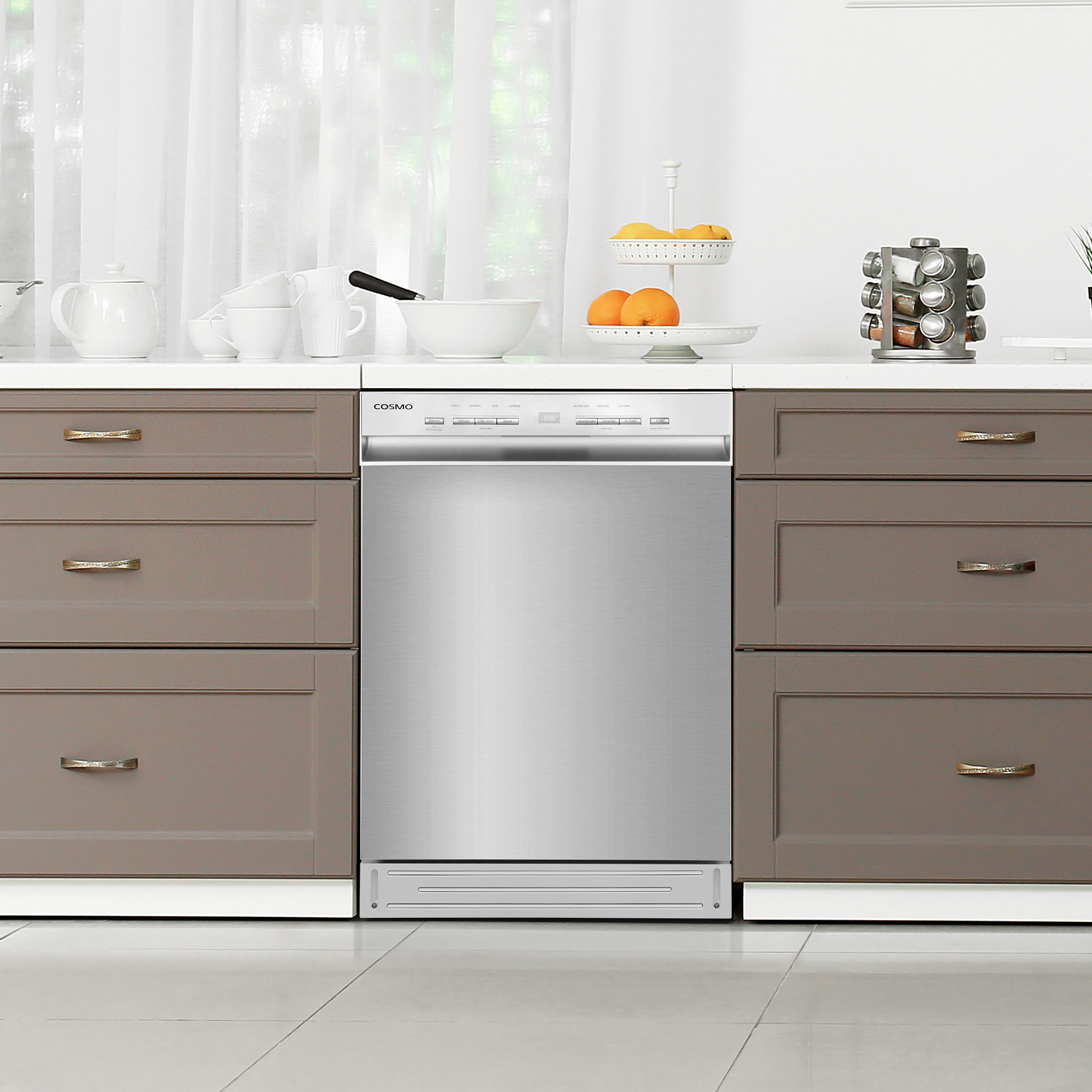
The Science Behind Sanitization in Dishwashers: COS-DWD24FBR and Its Advanced Technology

When it comes to kitchen hygiene, ensuring that your dishes are thoroughly cleaned and sanitized is crucial. The COS-DWD24FBR 24-Inch Built-In Dishwasher is equipped with sanitization technology, which eliminates harmful bacteria and ensures sparkling clean dishes. But how does high-temperature sanitization work? Let’s explore the science behind it. Dishwashers like the COS-DWD24FBR are designed with high-temperature cycles, giving you confidence that your dishes are not only clean but also free from harmful microorganisms. How High-Temperature Sanitization Eliminates Bacteria The key to effective sanitization is heat. The COS-DWD24FBR dishwasher uses a high-temperature rinse cycle, effectively killing bacteria, viruses, and other pathogens. Here’s how it works: Benefits of Sanitization ✅ Kills 99.99% of Bacteria – Ensures your dishes are safe for use, especially for households with children or individuals with weakened immune systems. ✅ Removes Food Residue Effectively – High temperatures break down even stubborn, stuck-on food particles. ✅ Eliminates Cross-Contamination Risks – Reduces the spread of bacteria from one dish to another.  Why Choose the COS-DWD24FBR? The COS-DWD24FBR Built-In Dishwasher combines advanced sanitization, energy efficiency, and sleek design to provide a top-tier cleaning experience. With multiple wash cycles, including high-temperature sanitization, you can enjoy peace of mind knowing your dishes are not just clean but hygienically safe. Upgrade your kitchen with the power of sanitization and experience spotless, bacteria-free dishes every day!

How to Set Up a Home Cooking Station for Baking: Essential Tips for a Smooth Baking Experience

Setting up a dedicated home cooking station for baking can transform your kitchen into a haven of culinary creativity. Whether you’re a seasoned baker or just starting out, organizing your space efficiently can make the baking process more enjoyable and less stressful. Here’s a step-by-step guide to creating an ideal baking station in your home kitchen. Choose the Right Location Organize Essential Tools Equip Your Baking Station Stock Baking Ingredients Implement Efficient Storage Solutions Set Up a Cleaning Station Personalize Your Space Safety and Accessibility A well-organized home cooking station for baking not only enhances your efficiency but also makes the baking process more enjoyable. By thoughtfully arranging your tools, ingredients, and equipment, you create a functional workspace that supports creativity and precision. Whether you’re whipping up a batch of cookies or baking a decadent cake, a dedicated baking station ensures you have everything you need at your fingertips, making your time in the kitchen as pleasant and productive as possible.

Cooking Techniques for Different Legumes: A Comprehensive Guide

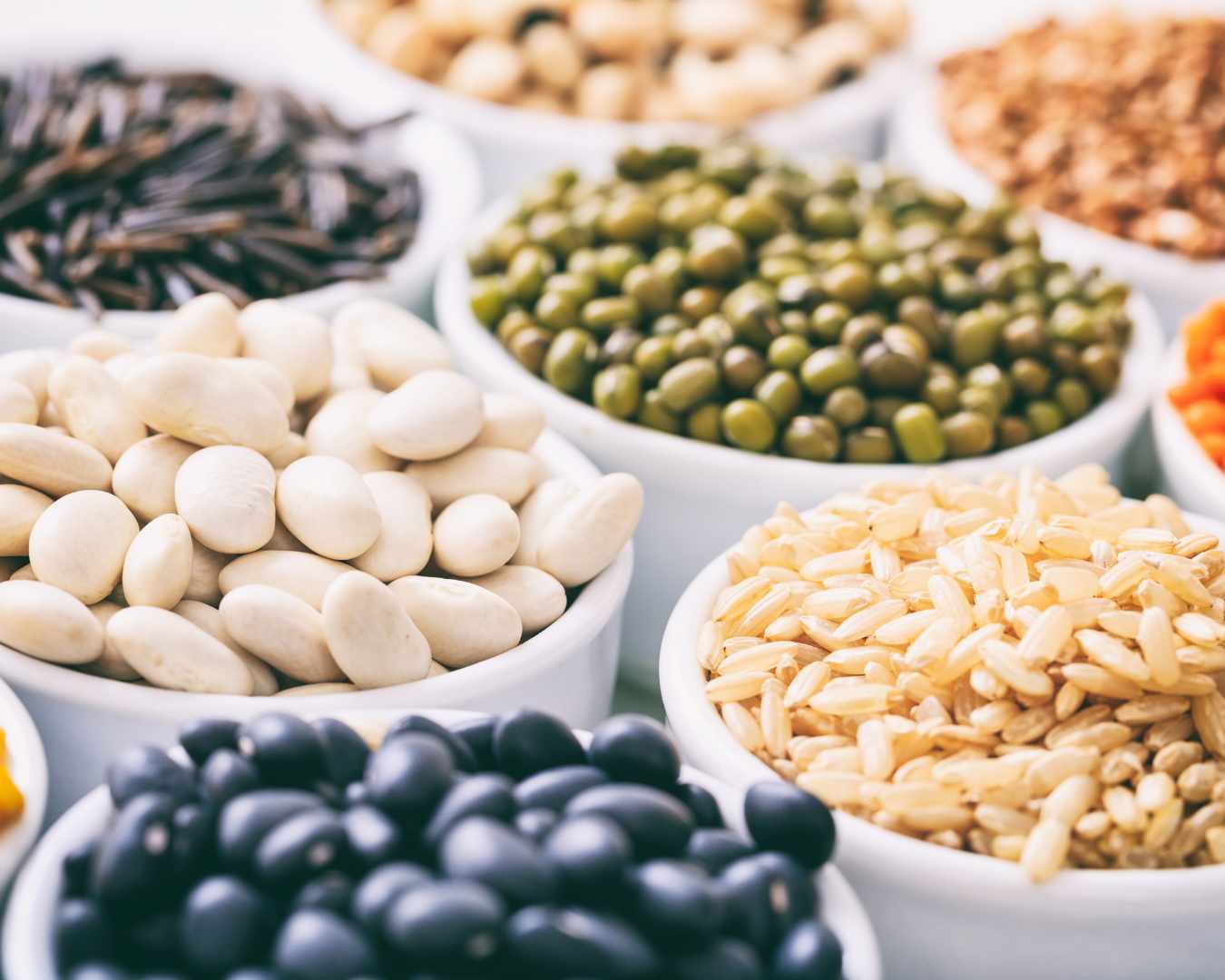
Legumes are a versatile and nutritious staple in many diets around the world. They come in various types, including beans, lentils, peas, and chickpeas, each requiring unique cooking methods to achieve the best results. Understanding the different techniques for preparing legumes can enhance their texture, flavor, and nutritional value. Here’s a comprehensive guide to cooking various types of legumes. Beans Types: Black beans, kidney beans, pinto beans, navy beans, chickpeas (garbanzo beans), etc. Cooking Techniques: Lentils Types: Green lentils, red lentils, brown lentils, black lentils (Beluga lentils), etc. Cooking Techniques: Peas Types: Green peas, split peas, chickpeas, black-eyed peas, etc. Cooking Techniques: Cooking Tips for All Legumes Mastering the different cooking techniques for legumes ensures you get the most out of their texture, flavor, and nutritional benefits. Whether you’re preparing beans for a hearty stew, lentils for a nutritious salad, or peas for a quick side dish, understanding the right methods can elevate your culinary creations. Experiment with these techniques and enjoy the versatility and health benefits that legumes bring to your table.

How to Prevent Cross-Contamination: Essential Tips for Safe Food Handling

Cross-contamination is a critical issue in food safety that occurs when harmful bacteria or allergens are transferred from one surface or food item to another. This can lead to foodborne illnesses and allergic reactions, making it essential to understand and implement effective strategies to prevent cross-contamination in your kitchen. This guide offers practical tips to help you maintain a safe and hygienic cooking environment. Separate Raw and Cooked Foods Why It Matters: Raw foods, especially meats, poultry, and seafood, can harbor harmful bacteria that may contaminate other foods if not properly separated. Cooked foods and ready-to-eat items are at risk of contamination if they come into contact with raw food juices. How to Prevent: Practice Proper Hand Hygiene Why It Matters: Hands can transfer bacteria and allergens to food and surfaces, leading to cross-contamination if not washed thoroughly. How to Prevent: Clean and Sanitize Surfaces and Utensils Why It Matters: Cutting boards, countertops, and utensils can harbor bacteria and allergens if not properly cleaned and sanitized. Cross-contamination can occur when these surfaces are not adequately maintained. How to Prevent: Store Foods Properly Why It Matters: Improper food storage can lead to cross-contamination, especially when raw and cooked foods are not kept at the correct temperatures. How to Prevent: Use Proper Cooking Temperatures Why It Matters: Cooking foods to the appropriate internal temperature kills harmful bacteria and prevents contamination. How to Prevent: Be Aware of Allergens Why It Matters: Cross-contamination with allergens can pose severe health risks for individuals with food allergies. Even small amounts of allergens can trigger allergic reactions. How to Prevent: Manage Food Waste Properly Why It Matters: Improper handling and disposal of food waste can contribute to bacterial growth and cross-contamination. How to Prevent: Preventing cross-contamination is vital for maintaining food safety and protecting health. By separating raw and cooked foods, practicing proper hand hygiene, cleaning and sanitizing surfaces, storing foods correctly, cooking to appropriate temperatures, managing allergens, and handling food waste properly, you can minimize the risk of contamination in your kitchen.

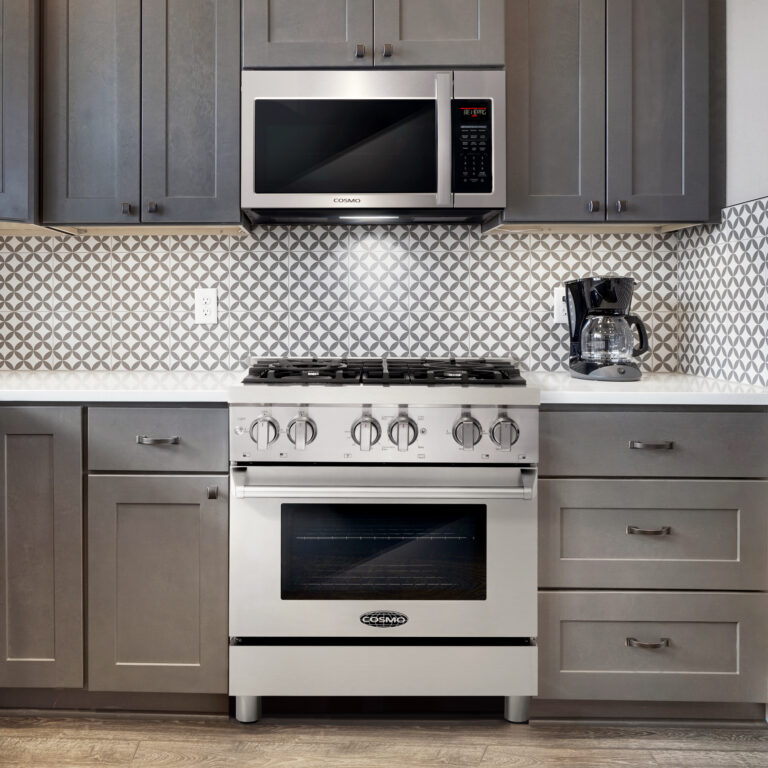
Upgrade Your Kitchen with the Cosmo COS-3019ORM2SS 30-Inch Over-the-Range Microwave

Microwave is an essential kitchen appliance, offering convenience, efficiency, and versatility. The Cosmo COS-3019ORM2SS 30-Inch Over-the-Range Microwave is designed to provide efficient cooking performance, space-saving installation, and modern features to elevate many kitchen installations. Why an Over-the-Range Microwave is a Great Choice Over-the-range microwaves combine the functionality of a microwave with a built-in ventilation system, making them ideal for maximizing kitchen space. They help keep countertops clutter-free while providing efficient venting for smoke, grease, and odors from cooking. Key Features of the COS-3019ORM2SS Benefits of Choosing the COS-3019ORM2SS With its sensor cooking technology, efficient ventilation, and spacious capacity, the COS-3019ORM2SS enhances both convenience and efficiency in the kitchen. Its over-the-range installation helps save valuable counter space while keeping the cooking area well-ventilated and illuminated.The Cosmo COS-3019ORM2SS 30-Inch Over-the-Range Microwave is an excellent addition to many kitchens, offering advanced features, efficient performance, and a stylish design. Whether you’re cooking, reheating, or venting, this appliance delivers superior functionality.

Healthy Eating Trends: Understanding Trends in Healthy Eating and How to Incorporate Them into Your Diet

In today’s fast-paced world, healthy eating trends are evolving as people become more aware of the impact food has on overall health and well-being. Staying informed about these trends can help you make smarter food choices and incorporate beneficial practices into your daily diet. This blog post explores some of the latest trends in healthy eating and offers practical tips on how to incorporate them into your lifestyle. Plant-Based Diets Trend Overview: Plant-based diets, which focus on consuming foods derived primarily from plants, have gained popularity for their numerous health benefits. These diets include fruits, vegetables, whole grains, nuts, seeds, and legumes while minimizing or excluding animal products. How to Incorporate: Functional Foods Trend Overview: Functional foods offer health benefits beyond basic nutrition. They contain bioactive compounds that support overall health, such as probiotics, prebiotics, and antioxidants. How to Incorporate: Low-Carb and Keto Diets Trend Overview: Low-carb and ketogenic diets focus on reducing carbohydrate intake and increasing fat consumption to promote fat burning and improve metabolic health. How to Incorporate: Mindful Eating Trend Overview: Mindful eating involves paying full attention to the eating experience, savoring each bite, and listening to your body’s hunger and satiety cues. This practice helps promote a healthier relationship with food and can aid in weight management. How to Incorporate: Sustainable Eating Trend Overview: Sustainable eating emphasizes making food choices that have a lower environmental impact. This includes reducing food waste, choosing locally-sourced ingredients, and supporting ethical food production practices. How to Incorporate: Personalized Nutrition Trend Overview: Personalized nutrition tailors dietary recommendations based on individual health data, genetics, and lifestyle factors. This approach aims to optimize health outcomes and address specific nutritional needs. How to Incorporate: Staying abreast of healthy eating trends and understanding how to incorporate them into your diet can lead to improved health and well-being. By exploring plant-based options, functional foods, low-carb diets, mindful eating practices, sustainable choices, and personalized nutrition, you can create a balanced and nutritious eating plan tailored to your individual needs.

First Aid in the Kitchen: Essential First Aid Knowledge for Dealing with Common Kitchen Injuries

The kitchen is often referred to as the heart of the home, but it’s also a place where accidents can happen. From minor cuts and burns to more serious injuries, knowing how to handle common kitchen mishaps is crucial for ensuring safety and quick recovery. This guide provides essential first aid knowledge to help you manage typical kitchen injuries effectively. Cuts and Lacerations Immediate Action: When to Seek Medical Attention: Burns Immediate Action for Minor Burns (First-Degree Burns): For More Serious Burns (Second-Degree and Third-Degree Burns): Cuts and Scrapes from Sharp Objects Immediate Action: When to Seek Medical Attention: Slips and Falls Immediate Action: When to Seek Medical Attention: Kitchen Fires Immediate Action: Prevention Tips: Choking Immediate Action: When to Seek Medical Attention: Being prepared with basic first aid knowledge can make a significant difference in handling kitchen injuries effectively. By knowing how to manage cuts, burns, slips, and other common mishaps, you can ensure a safer cooking environment for you and your loved ones. Always remember that in more serious cases, professional medical help is essential.

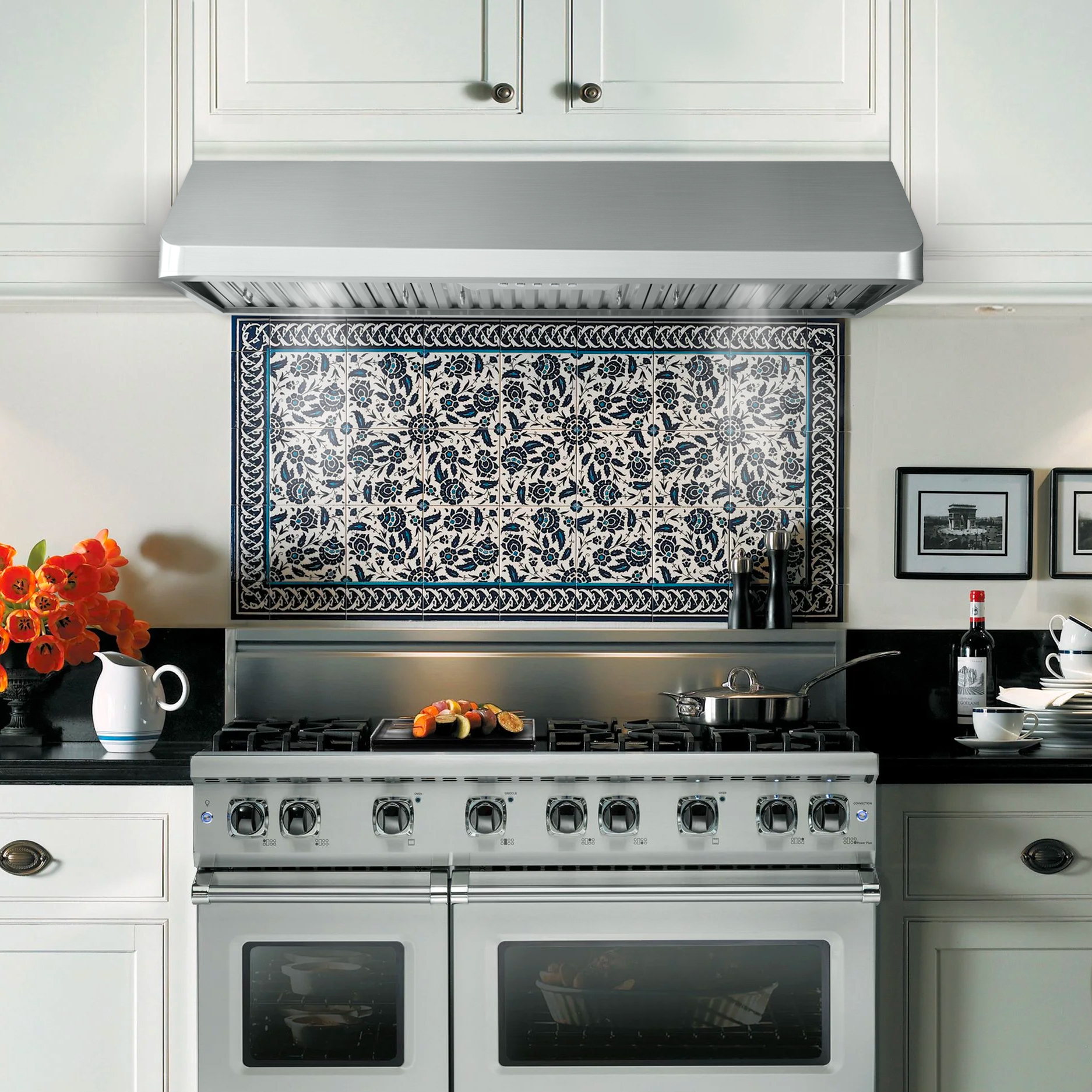
Enhance Your Kitchen with the Cosmo COS-30IRHP 30-Inch Insert Range Hood

Range hood is essential for maintaining a fresh and clean kitchen environment. The Cosmo COS-30IRHP 30-Inch Stainless Steel Insert Range Hood is designed to provide efficient ventilation, sleek aesthetics, and convenient operation, making it a perfect addition to many modern kitchens. Why a Quality Range Hood is Important Range hoods play a crucial role in improving indoor air quality by removing smoke, grease, and odors from cooking. They also help prevent grease buildup on kitchen surfaces and reduce heat accumulation, making the cooking experience more comfortable and enjoyable. Key Features of the COS-30IRHP Benefits of Choosing the COS-30IRHP With its powered motor and user-friendly controls, the COS-30IRHP ensures efficient kitchen ventilation while maintaining a sleek, built-in aesthetic. The easy-to-maintain filters and bright LED lighting add to its convenience, making it a practical and stylish choice for homeowners.The Cosmo COS-30IRHP 30-Inch Stainless Steel Insert Range Hood is a perfect blend of style, performance, and functionality. Whether you’re a home chef or simply love a fresh kitchen environment, this range hood delivers top-tier results.

The Science of Baking and Pastry Making: Understanding the Fundamentals

Baking and pastry making are as much about science as they are about artistry. While the creativity of crafting beautiful and delicious treats is essential, understanding the science behind these processes can elevate your skills and ensure consistent, successful results. This blog post delves into the fundamental science of baking and pastry making, helping you grasp the key principles that drive these culinary arts. The Role of Ingredients Flour: Flour provides the structure for baked goods. Its proteins, primarily glutenin and gliadin, combine with water to form gluten, which gives dough its elasticity and strength. Different types of flour have varying protein content, affecting the texture of the final product. For instance, bread flour has higher protein content compared to cake flour, which results in a chewier texture in bread and a lighter, softer crumb in cakes. Sugars: Sugars are not just for sweetness; they play multiple roles in baking. They help with the browning process through caramelization and Maillard reaction, contribute to the texture by affecting moisture and tenderness, and enhance flavor. Different sugars, like granulated, brown, and powdered, impact the final product in distinct ways. Fats: Fats, such as butter, oil, or shortening, provide richness and moisture to baked goods. They interfere with gluten formation, creating a tender and flaky texture. Fats also help with flavor development and contribute to the overall mouthfeel. Leavening Agents: Baking powder, baking soda, and yeast are leavening agents that cause doughs and batters to rise. Baking soda and baking powder create gas through chemical reactions, while yeast ferments and produces gas, which makes dough expand. Proper use and understanding of these agents are crucial for achieving the desired texture and rise in baked goods. Liquids: Liquids, including water, milk, and eggs, are essential for hydrating flour, dissolving sugars, and activating leavening agents. They also affect the consistency of batters and doughs and contribute to the final texture and flavor of baked products. Mixing and Kneading Mixing: The method of mixing affects the texture of the final product. Over-mixing can develop too much gluten, leading to tough baked goods, while under-mixing can result in uneven distribution of ingredients. Different recipes require different mixing techniques, such as creaming, folding, or stirring, to achieve the desired consistency. Kneading: In bread making, kneading develops gluten, which gives bread its structure and chewiness. Proper kneading is crucial for achieving the right texture, as insufficient kneading can lead to dense bread, while excessive kneading can make it tough. Temperature and Time Oven Temperature: Accurate oven temperature is vital for even baking. Too high a temperature can cause products to brown too quickly on the outside while remaining raw inside, while too low a temperature can result in undercooked goods with poor texture. Using an oven thermometer can help ensure precise temperatures. Baking Time: Baking times vary depending on the recipe, oven, and size of the baked goods. Following the recommended baking time is important, but it’s also essential to monitor the baking process and make adjustments as needed. The Maillard Reaction and Caramelization Maillard Reaction: This complex chemical reaction between amino acids and reducing sugars occurs during baking and contributes to the browning and flavor development in baked goods. It’s responsible for the golden crust of bread and the rich flavors in cookies and cakes. Caramelization: Caramelization is the process of sugar breaking down and turning brown when exposed to heat. It adds depth of flavor and color to pastries and confections, such as caramel sauce and roasted nuts. Pastry Science Laminate Doughs: In pastry making, laminated doughs like croissant and puff pastry rely on creating layers of dough and fat. The process of folding and rolling creates thin layers of fat and dough that puff up when baked, resulting in a flaky texture. Temperature Control: Temperature is critical in pastry making. For example, keeping dough cold ensures that fats remain solid, leading to a flaky texture in pastries. Similarly, precise temperature control in chocolate tempering is essential for achieving a smooth and glossy finish. Understanding the science behind baking and pastry making can greatly enhance your culinary skills, leading to more consistent and successful results. By grasping the roles of different ingredients, the effects of mixing and kneading, and the importance of temperature and time, you can apply these principles to create delightful baked goods and pastries every time.