cooking

Sizzle, Season, Serve: A Toast to National Fajita Day

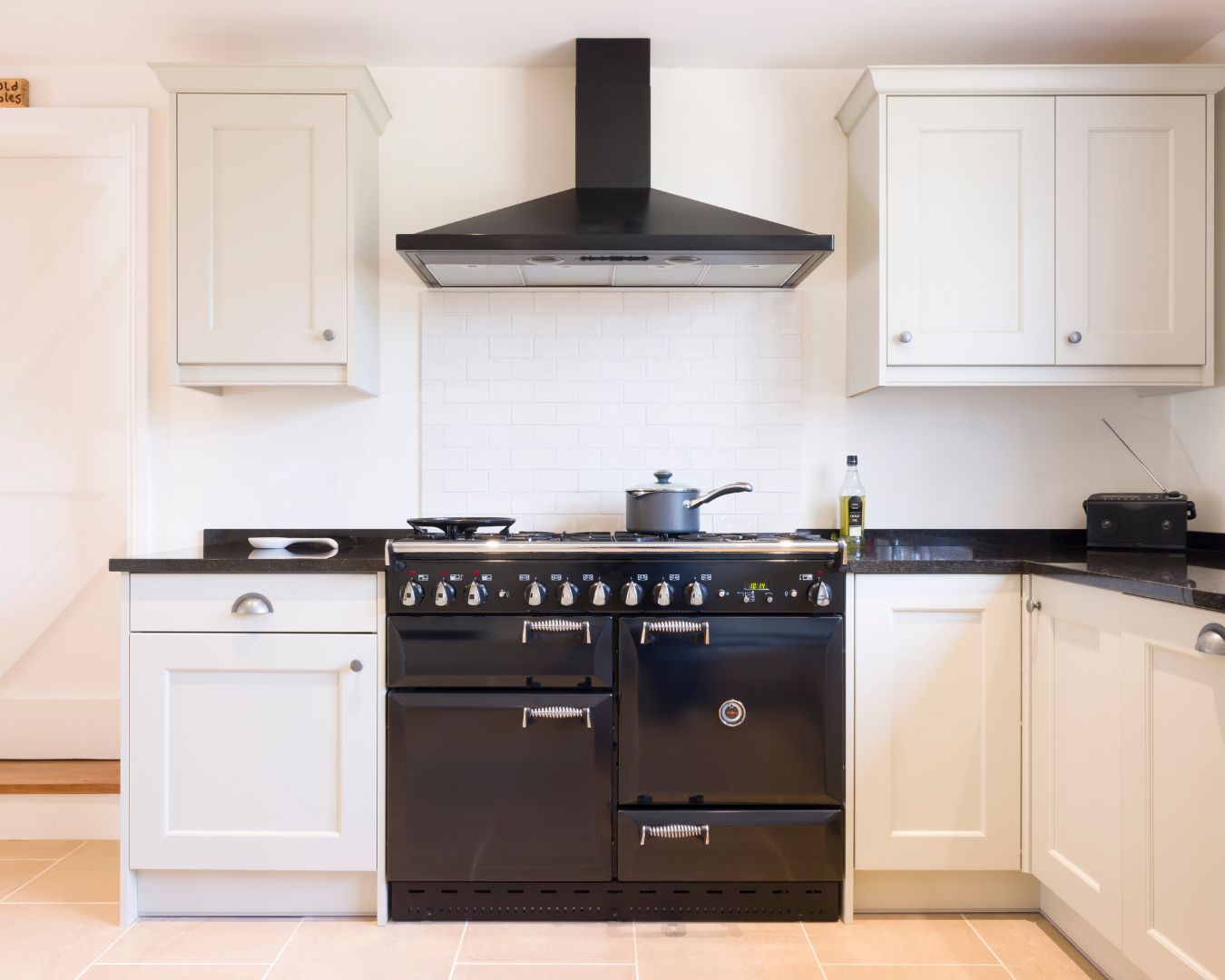
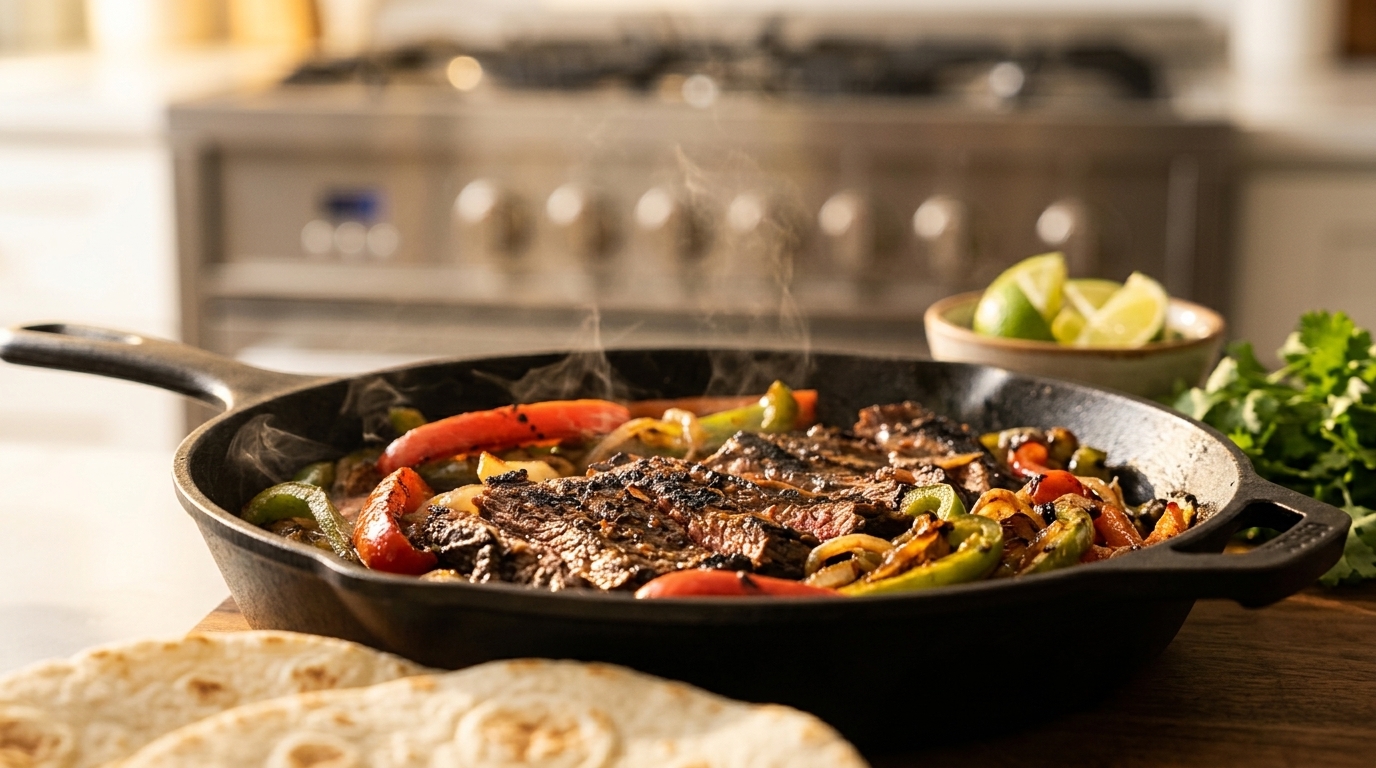
Every August 18th, the unmistakable hiss of a cast-iron skillet hitting a table announces that National Fajita Day has arrived. It is a holiday built entirely around sound and smell, the sizzle of seared beef and peppers, the sharp scent of lime and cumin cutting through the air, and the small ceremony of wrapping it all in a warm tortilla. Few dishes carry quite as much theater to the table as the fajita, and fewer still can trace their journey from a discarded cut of beef to a national celebration with such a clear, well-documented path. From Ranch Hand’s Pay to Restaurant Staple The story of the fajita begins in the 1930s, on the ranch lands of South Texas along the Rio Grande Valley. Mexican vaqueros working cattle ranches were frequently paid, in part, with the cuts of beef that butchers and ranch owners did not want, and skirt steak, thin, tough, and unglamorous by the standards of the day, was near the bottom of that list. Rather than let it go to waste, vaqueros marinated the meat, grilled it quickly over open coals, sliced it thin against the grain, and tucked it into a tortilla for a portable, filling meal between long stretches of ranch work. The name itself comes from the Spanish word faja, meaning “belt” or “strip,” a direct reference to the shape of the cut. For decades, this remained a regional tradition, largely unknown outside the ranches and family kitchens of South Texas. That changed in 1973, when Ninfa Rodriguez Laurenzo, known to generations of Houstonians simply as Mama Ninfa, opened a small Tex-Mex restaurant on Navigation Boulevard. Her tacos al carbon, built around that same marinated, grilled skirt steak, sold 250 orders on opening day alone. Word spread quickly, other Houston restaurants began serving their own versions, and by the 1980s the dish, now called by its Spanish name directly, had become a full-blown Tex-Mex phenomenon, complete with the sizzling cast-iron platter presentation that remains its signature to this day. How National Fajita Day Came to Be National Fajita Day was established in 2016 by On the Border Mexican Grill and Cantina, with the date officially registered and proclaimed by the National Day Calendar that same year. Compared to some food holidays with murkier origins, Fajita Day has a clear founding story and a clear purpose: giving a dish with genuine working-class Texas roots its own day of recognition, distinct from the broader, often vague celebration of Tex-Mex cuisine as a whole. What Actually Makes a Fajita a Fajita A true fajita is defined less by its ingredients than by its method. Thin strips of well-marinated meat, traditionally skirt steak, though chicken, shrimp, and vegetable versions have all found their place, are cooked over very high, direct heat just long enough to develop a deep, charred crust while the interior stays tender. Bell peppers and onions are seared alongside, often in the same pan, until they soften and pick up their own touch of char. Everything gets sliced thin, piled onto warm tortillas, and finished with whatever a household considers essential: pico de gallo, guacamole, sour cream, a squeeze of lime. The technique matters more than any single ingredient. A fajita cooked over gentle, even heat turns gray and steamed rather than seared, losing the char that gives the dish its character. That is precisely why fajitas have always demanded serious heat, whether from an open ranch fire in the 1930s or a home range today. Why High Heat Is Non-Negotiable Searing meat and vegetables at the speed a proper fajita requires puts real demands on a stovetop. A burner that cannot deliver intense, sustained heat will steam the meat before it chars, and a pan that cools too quickly between additions will never build the crust a good fajita depends on. This is where the Cosmo COS-965AGFC, a 36-inch professional style gas range, earns its place in a kitchen built for this kind of cooking. Its 18,000 BTU triple ring burner is engineered specifically for exactly this demand, delivering the kind of fast, aggressive heat that a cast-iron skillet or griddle needs to properly char skirt steak and blister peppers in minutes rather than steam them slowly. The heavy-duty cast iron grates hold a pan rock-steady over that heat, so a full skillet of sizzling fajita filling can go straight from stovetop to table without a wobble. Four additional burners, ranging from an 8,800 BTU rapid burner down to a 5,000 BTU auxiliary burner, mean the tortillas can warm on one side of the range while the beef sears on the other, and the 4.4 cu. ft. convection oven underneath handles a side of Mexican rice or a tray of roasted vegetables at the same time, without anyone waiting on the stovetop to clear. Fajitas, American Style Since crossing over from ranch tradition to restaurant menu, the fajita has taken on a distinctly American shape. Tex-Mex kitchens across the country lean into bold marinades built on lime, garlic, and chili powder, and the sizzling cast-iron presentation, largely a Houston restaurant invention rather than a ranch-era tradition, has become inseparable from how Americans expect fajitas to arrive at the table. Chicken fajitas, virtually unheard of in the dish’s earliest days, are now just as common an order as the original beef version, and shrimp and vegetable fajitas have carved out their own steady following on menus nationwide. Celebrating at Home Marking National Fajita Day does not require anything elaborate. A simple marinade of lime juice, garlic, cumin, and chili powder needs only thirty minutes to work into thin-sliced skirt steak or chicken, and from there the entire dish comes together in the time it takes to slice a couple of bell peppers and an onion. The real key is committing to real heat rather than easing into it, letting the pan get properly hot before the meat goes in, and resisting the urge to crowd the skillet, which drops the temperature and turns a
High-Protein Cooking, Beyond the Smoothie

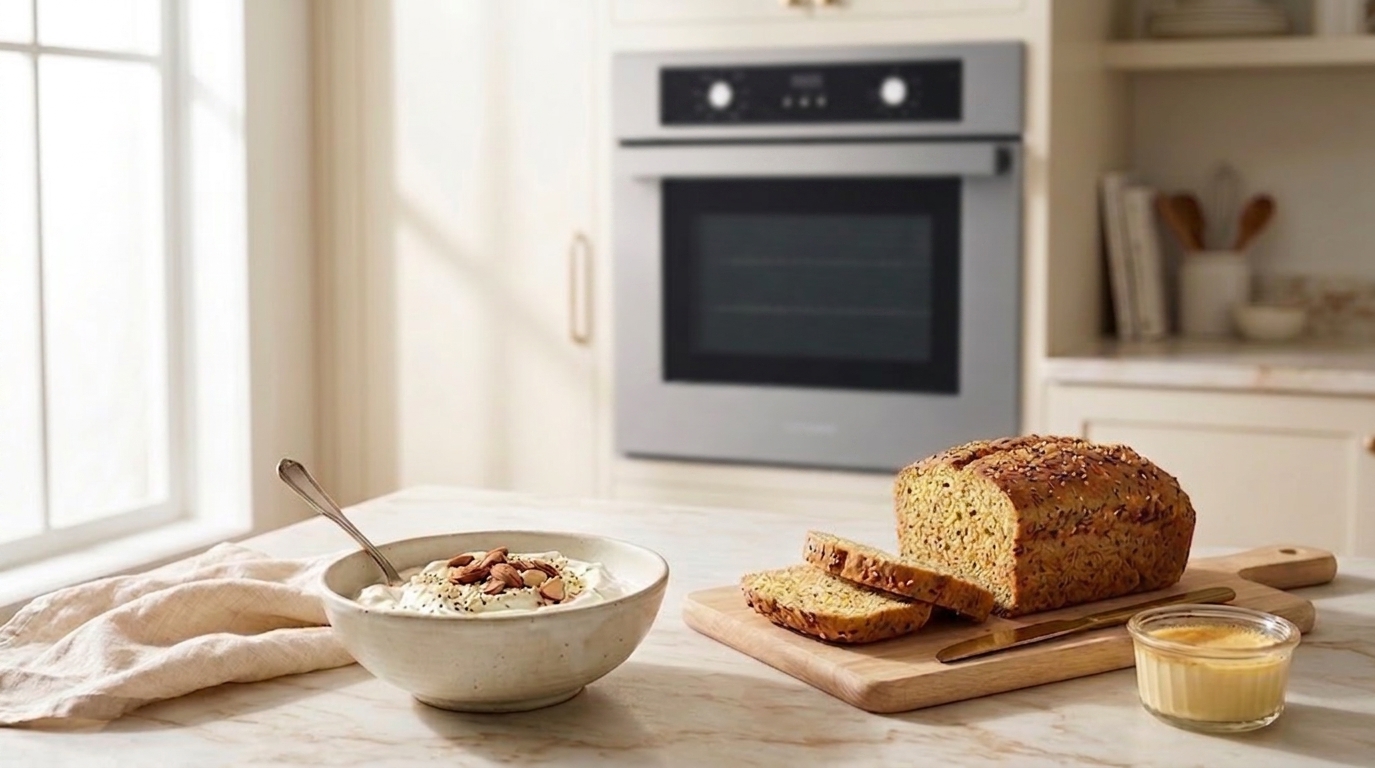
Protein has quietly become the defining nutritional concern of the decade. What began as a fitness-culture talking point has moved firmly into the mainstream, showing up in grocery aisle labeling, restaurant menus, and a steady stream of home cooking content built around getting more protein into ordinary meals without sacrificing flavor. Most of that conversation has stayed confined to the blender: protein smoothies, shakes, and overnight oats dominate the search results and the social feeds built around them. That leaves a significant amount of ground uncovered, because some of the most effective ways to build protein into a diet are not blended at all. They are baked, proofed, and fermented, and they depend far more on precise, low-temperature cooking than they do on a good blender. This is worth taking seriously rather than treating as a passing wellness trend. Fermentation and slow, controlled protein cookery are old techniques experiencing new demand, driven by a public that is increasingly interested in both protein content and gut health simultaneously. Search interest in homemade yogurt, high-protein baking, and fermented staples has climbed steadily as consumers grow more skeptical of processed protein powders and more curious about where their protein actually comes from. Getting either one right in a home kitchen depends on a variable most cooks rarely think about: how accurately an oven can hold a low, steady temperature over an extended period. Why Protein Cooking Is a Different Discipline Most home cooking is organized around speed and high heat. A hot pan sears a steak, a hot oven crisps a roast, and a hot burner reduces a sauce. Protein-focused cooking, particularly the slower techniques associated with fermentation and dairy-based baking, runs almost entirely counter to that instinct. It rewards patience, tight temperature tolerances, and equipment that can behave predictably over long stretches of time rather than short, high-intensity bursts. This is part of why so many home attempts at yogurt-making, tempeh culturing, or protein-enriched bread underperform compared to what a recipe promises. The technique itself is usually sound. What fails is the environment the technique depends on. A recipe that calls for holding milk at 110 degrees for eight hours assumes an appliance capable of actually doing that, consistently, without drifting five or ten degrees in either direction over the course of an afternoon or overnight. Why Low, Slow, and Steady Beats Hot and Fast Protein-dense cooking techniques share a common requirement that stands in direct opposition to how most home cooking gets done. A seared steak wants high heat delivered quickly. A loaf of yogurt-based bread, a tray of baked eggs, or a batch of homemade tempeh wants the opposite: a gentle, unwavering temperature held for an hour or more, often well below the range most ovens are built to manage precisely. This distinction matters because protein and the beneficial bacteria involved in fermentation are both sensitive to temperature swings in ways that fat and carbohydrate are not. Dairy-based proteins toughen and separate above certain thresholds, releasing moisture and turning grainy in a way that cannot be reversed once it happens. Live cultures used in yogurt, tempeh, and sourdough-adjacent baking die off entirely if the environment runs too hot, and stall out or fail to activate if it runs too cool. A conventional oven that cycles several degrees above and below its set point, the kind of variance that goes unnoticed in a batch of cookies, is often the exact reason a homemade yogurt turns out thin, a batch of tempeh fails to culture properly, or a protein-enriched loaf comes out dense and gummy in the center. The Hidden Cost of an Inconsistent Oven It is worth being specific about what “inconsistent” actually means in practical terms. Most conventional ovens operate on a cycle: the heating element fires until the interior slightly overshoots the set temperature, shuts off, and then fires again once the temperature drops a few degrees below target. For most baking, this swing, often five to fifteen degrees in either direction, is invisible in the final result. Bread, cookies, and roasted vegetables are forgiving enough that a few degrees of drift changes almost nothing about the outcome. Protein-focused techniques do not have that same margin. An oven swinging between 100 and 120 degrees while a recipe calls for a steady 110 will produce a yogurt that cultures unevenly, thinner in some spots and firmer in others, sometimes with a slightly sour or off flavor where the temperature ran too high for too long. The same swing applied to a low-temperature custard or a protein-enriched bake produces the graininess and moisture separation that ruins texture even when the flavor is otherwise correct. In both cases, the recipe was not the problem. The equipment was. What This Actually Requires From an Oven Where true convection and precise holding make the difference. Cosmo’s wall oven, the C51EIX, a 24-inch stainless steel single electric wall oven built with Turbo True European Convection, is designed around exactly this kind of demand. Its dedicated rear heating element and fan circulate air evenly throughout the cavity, which matters considerably more for a two-hour yogurt incubation or a slow-proofed, protein-enriched dough than it does for most everyday baking. Uneven heat in this context does not just produce an inconsistent bake; it can mean one section of a tray cultures properly while another does not culture at all, leaving a single batch with two entirely different textures depending on where it sat in the oven. Equally important is how tightly the oven holds its target temperature rather than swinging around it. Many fermentation and slow-protein techniques call for a narrow window, often in the 100 to 130 degree range for yogurt culturing or the mid-300s for protein-rich baked goods like high-protein bread or baked custards. The C51EIX’s convection system is built to minimize that drift, which is precisely the kind of consistency these techniques depend on. An oven that cannot hold a low setting accurately effectively rules out an entire category of protein-focused cooking before the

Bold, Spicier Global Cooking & Why Ventilation Matters More Than Ever

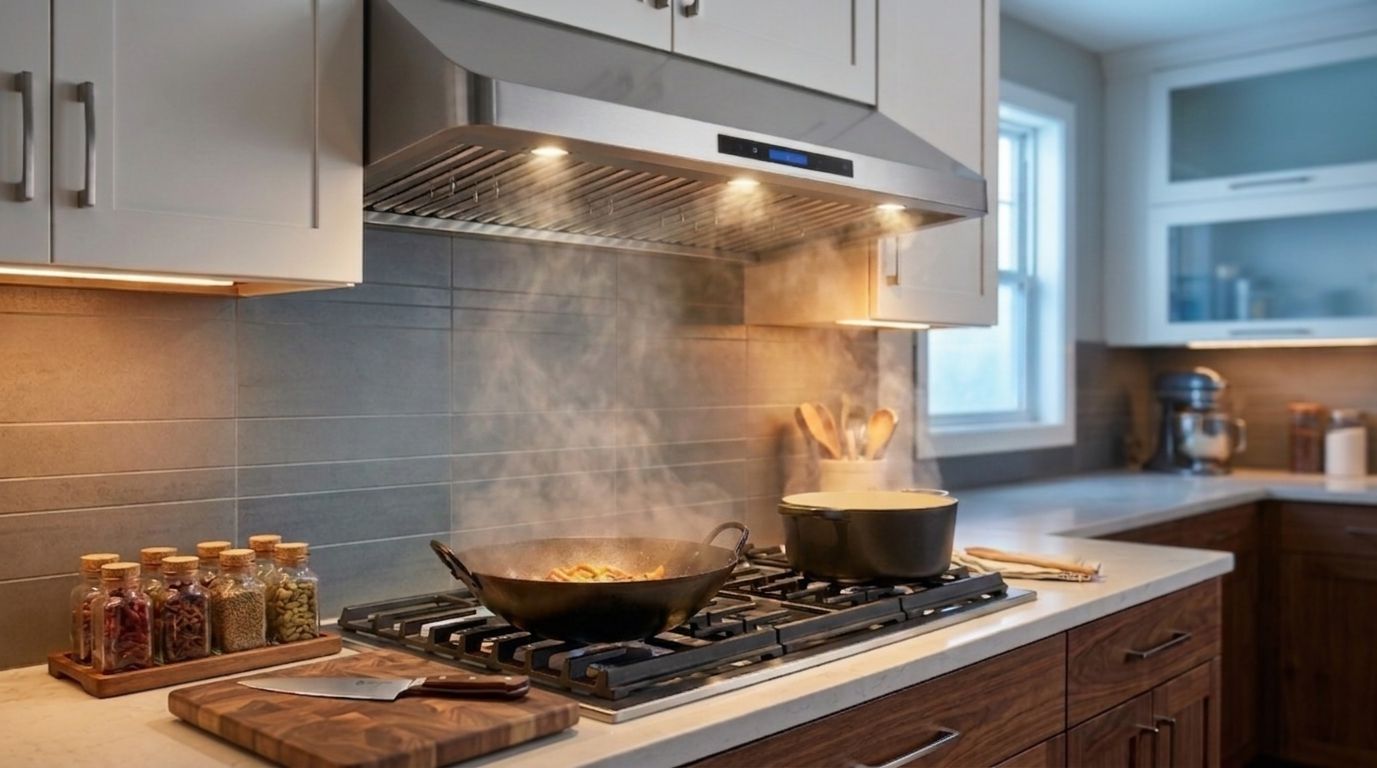
American kitchens are getting louder, hotter, and considerably more adventurous. Across surveys and social platforms alike, the story is the same: home cooks are reaching further beyond familiar recipes, chasing the heat and depth of global cuisines rather than sticking to the mild, predictable dishes that once defined weeknight cooking. More than half of Americans now consider themselves adventurous eaters, and the data on flavor preferences backs that up in striking detail. Over half of Gen Z identifies as a hot sauce connoisseur, intense flavor callouts in food conversations have climbed sharply year over year, and nearly every restaurant menu in the country now features at least one dish built around serious heat. This is not a passing fad confined to restaurants; it is showing up on home stovetops, in weeknight stir-fries, in weekend curry projects, and in the kind of high-heat searing that used to be reserved for professional kitchens. What often gets left out of that conversation is what this shift actually demands from the kitchen itself. Bolder cooking is not just a matter of stocking a new spice drawer. It changes how a kitchen needs to perform, and nowhere is that more apparent than in ventilation. A Kitchen Trend Rooted in Real Data It helps to look past the anecdotal sense that people are cooking differently and look at what the numbers actually say. Food trend researchers tracking 2026 menus and home recipe searches point to a clear and accelerating pattern: American households are not simply eating more takeout from global cuisines, they are attempting to recreate those dishes themselves. Searches for regional spice blends, fermented condiments, and specific chili varieties have grown steadily, and grocery chains have responded by expanding international aisles that were once an afterthought into some of the fastest-growing sections of the store. Home cooks are asking not just for flavor, but for authenticity, seeking out the same techniques and ingredient ratios used in the countries these dishes originate from rather than a simplified, mild approximation. This authenticity-driven approach naturally pulls in cooking methods that were previously less common in the average American kitchen. Dry-heat searing at very high temperatures, wok-based stir-frying that depends on a screaming-hot pan, and long spice-blooming techniques where whole seeds are toasted directly in oil before the rest of a dish is built around them are all becoming everyday occurrences rather than occasional experiments. Each of these techniques is, by design, meant to push oil and aromatics to the edge of their smoke point, because that is often where the flavor actually develops. The Flavor Shift Behind the Trend The numbers describing this movement toward bold flavor are hard to ignore. Global cuisine exploration has become one of the defining food trends heading into 2026, with home cooks seeking out authentic spices and traditional techniques rather than watered-down, Americanized versions of dishes from India, Sichuan China, Thailand, Mexico, and the Caribbean. Flavor profiles are evolving too, with combinations like spicy-sweet-tangy and spicy-sweet-savory gaining traction as cooks look for more complexity rather than heat alone. Even categories that were once considered mild, such as breakfast foods, have seen a significant jump in bold flavor callouts across social media and recipe searches. This kind of cooking relies on techniques that generate far more smoke, steam, and airborne oil than a typical weeknight meal. High-heat woks, dry-rub searing, char-forward grilling done indoors, and long-simmered curries loaded with toasted spices all release far more into the air than a pot of pasta ever will. A kitchen built around a decade of mild cooking habits is often not equipped to handle that shift, and the ventilation system is usually the first thing to fall behind. Why Ventilation Becomes the Limiting Factor Cooking oil that reaches a high enough temperature to sear meat or crisp aromatics vaporizes into microscopic particles that hang in the air long after the pan is turned off. Ground spices, especially the kind used heavily in bold global cooking, such as cumin, dried chilies, and mustard seed, release pungent compounds when they hit hot oil, and those compounds do not simply dissipate on their own. Without a range hood capable of pulling that volume of air out of the kitchen, the smoke and residue settle instead, on cabinetry, on countertops, in fabric, and in the air the household breathes for hours afterward. This is where CFM, or cubic feet per minute, becomes the single most important number in the kitchen. CFM measures how much air a range hood can move, and it needs to scale with how the stove is actually being used, not just its size. A gentle sauté on a single burner asks very little of a hood. A screaming-hot wok, a dry-rub steak seared in cast iron, or a pot of bubbling curry with the lid off is an entirely different demand, and a hood rated for light-duty cooking will simply be overwhelmed. Under-ventilated kitchens dealing with bold, high-heat cooking tend to show the same signs: a persistent haze near the ceiling, lingering odors the next morning, and a fine film that builds up on cabinet surfaces near the stove faster than it should. The Health Side of the Equation There is also a wellness dimension to this conversation that deserves attention alongside the practical one. High-heat cooking, and searing in particular, produces fine airborne particulates, often referred to as PM2.5, along with volatile compounds released from both the oil and the spices themselves. These particles are small enough to travel deep into the lungs, and indoor air quality researchers have increasingly pointed to home cooking, especially frequent high-heat cooking, as a meaningful contributor to indoor air pollution. A kitchen that cooks boldly and often needs a ventilation system that can actually keep pace, not just to protect cabinetry and countertops from grease buildup, but to keep the air genuinely breathable in the hours after a meal is finished. This is one more reason CFM has become such an important spec for households leaning into global,

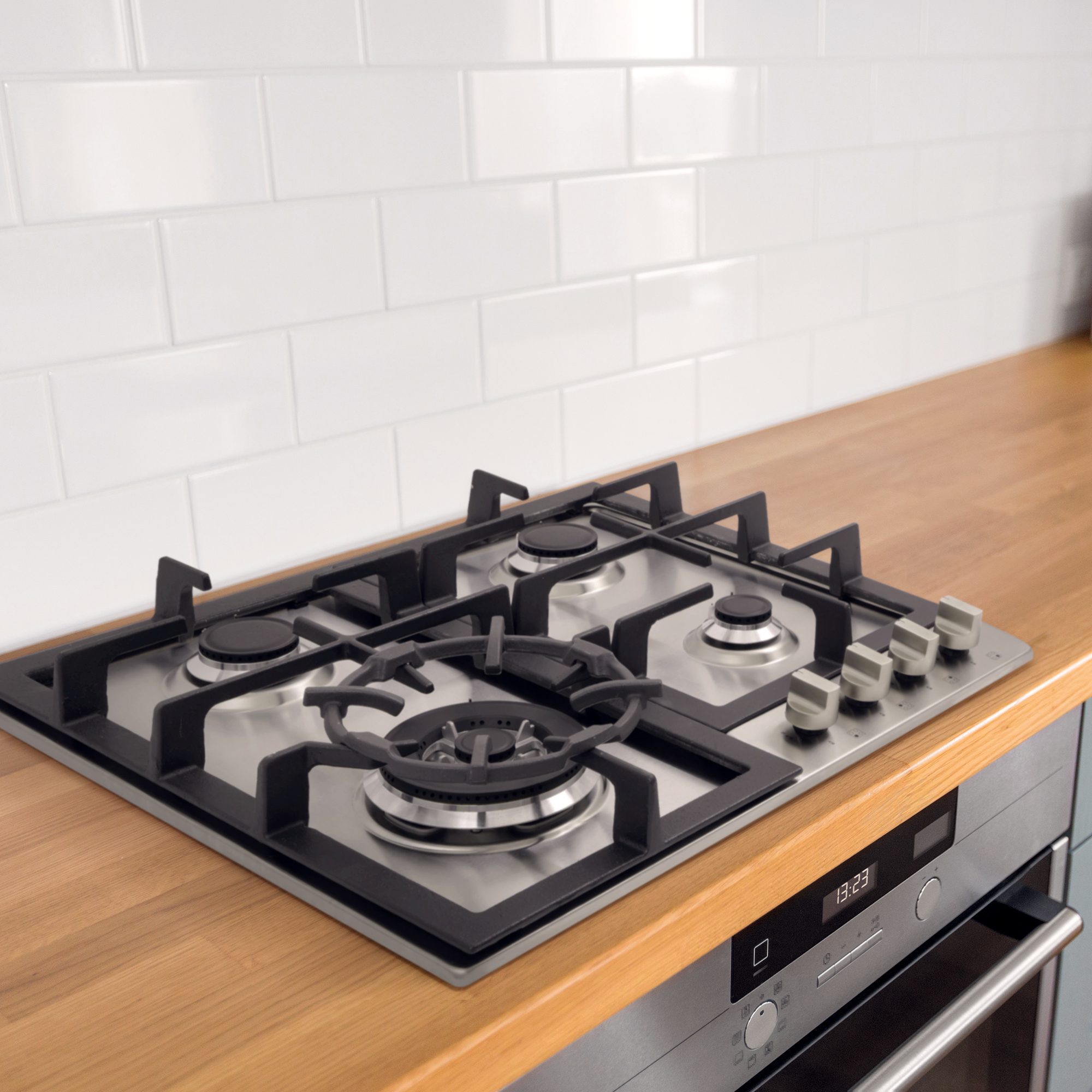
Cook Like a Pro in Small Spaces: The COS-640STX-E 24″ Gas Cooktop

If you’re looking to elevate your kitchen’s functionality and style without compromising on space, the Cosmo COS-640STX-E 24″ Stainless Steel Drop-In Gas Cooktop is a standout choice. Designed for compact kitchens, this cooktop combines powerful performance with sleek aesthetics, making it ideal for both urban apartments and cozy homes. Powerful Performance in a Compact Design Despite its 24-inch size, the COS-640STX-E doesn’t skimp on power. It features four sealed burners, including: This versatile burner configuration allows you to handle a variety of cooking techniques, from stir-frying to slow simmering, all within a compact footprint. Sleek Stainless Steel Finish The cooktop’s stainless steel surface not only adds a modern touch to your kitchen but also ensures durability and easy maintenance. The sealed burners prevent spills from reaching the interior, simplifying cleanup. Additionally, the heavy-duty cast iron grates are built to last and provide even heat distribution. Safety Features for Peace of Mind Safety is paramount in any kitchen. The COS-640STX-E is equipped with: These features provide added protection, allowing you to cook with confidence. Easy Installation and Versatility Designed for drop-in installation, the COS-640STX-E seamlessly integrates into your kitchen countertop. Its compact dimensions (22.81″ W x 20″ D x 3.36″ H) make it suitable for various kitchen layouts. Additionally, it’s convertible to liquid propane with the optional LP Conversion Kit, offering flexibility based on your fuel source. Specifications at a Glance Where to Buy The Cosmo COS-640STX-E is available for purchase at various retailers, including: Prices may vary, so it’s advisable to check with each retailer for the best deal. For those seeking a blend of style, performance, and safety in a compact kitchen appliance, the Cosmo COS-640STX-E 24″ Gas Cooktop is an excellent choice. Its powerful burners, sleek design, and safety features make it a valuable addition to any modern kitchen. Whether you’re renovating your kitchen or outfitting a new space, consider the COS-640STX-E for a reliable and stylish cooking solution.

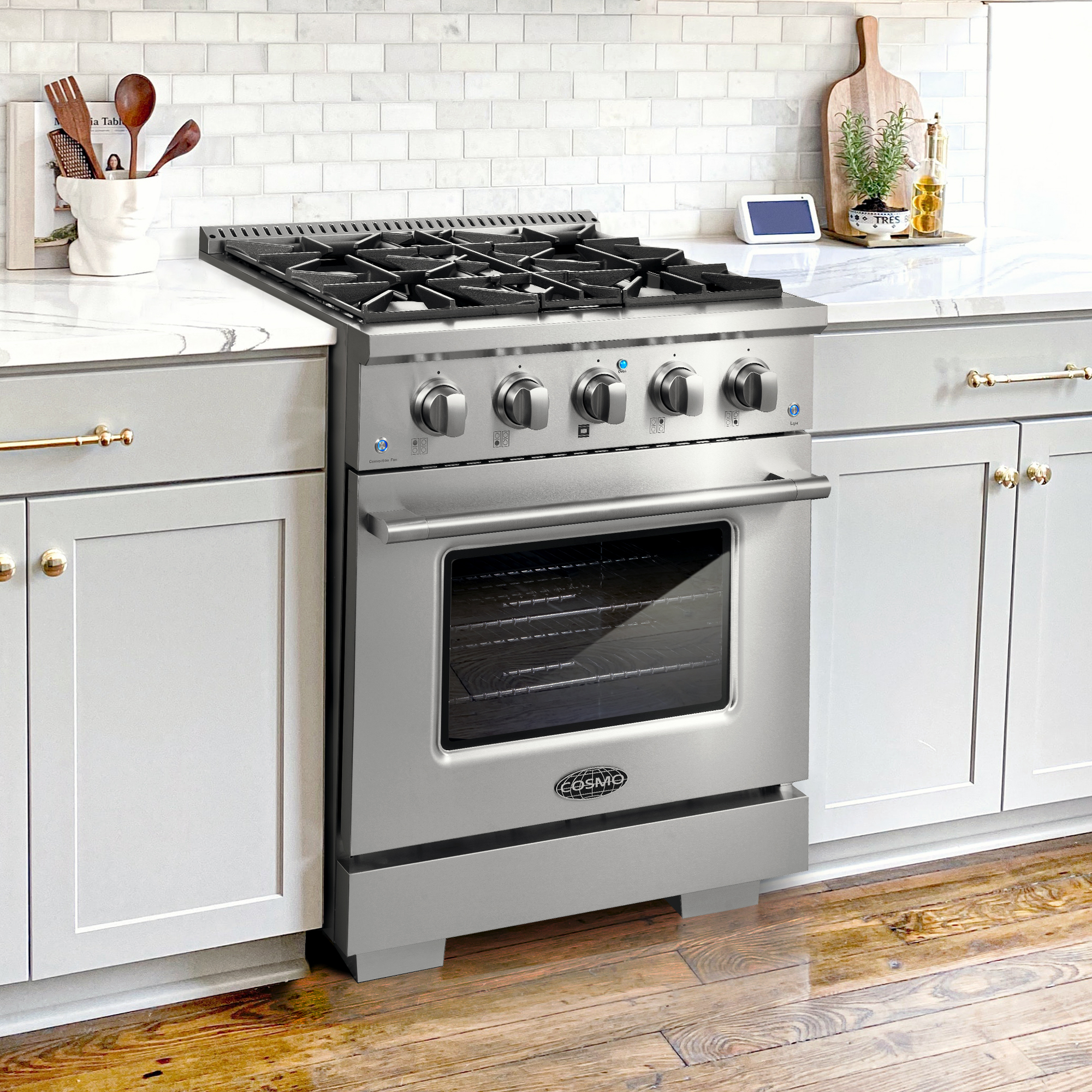
Why the COS-GRP304 30″ Gas Range Is the Ultimate Upgrade for Home Chefs

For homeowners and cooking enthusiasts alike, the kitchen is more than just a functional space—it’s the heart of the home. And at the center of that heart is your range. If you’re looking to upgrade your culinary game without sacrificing style, the COS-GRP304 30″ Gas Range delivers professional-grade performance in a perfectly compact form. Let’s dive into why this range is becoming a must-have for modern kitchens—and why it may just be the best investment you make in your cooking journey. Why Homeowners Prefer Gas Ranges Before we get into the specifics of the COS-GRP304, it’s worth understanding why gas ranges are so often the top choice for both professionals and serious home cooks. Benefits of Cooking with Gas: Whether you’re searing, boiling, simmering, or flambéing, gas gives you the responsiveness you need to cook with confidence. Meet the COS-GRP304: Compact, Powerful, and Ready to Cook The COS-GRP304 30″ Gas Range is designed to bring commercial-style cooking power into everyday kitchens. It’s proof that you don’t need a massive, high-end range to cook like a pro. Key Features: Built to Perform—Every Day Don’t let its 30-inch size fool you. The COS-GRP304 is built for high performance across the board: This range is your all-in-one solution for everything from weeknight meals to gourmet creations. Sleek, Modern Design for Any Kitchen The COS-GRP304 doesn’t just perform like a pro—it looks the part too. With a bold stainless steel exterior and heavy-duty knobs, this range brings sophistication to any kitchen layout. Design Highlights: Whether you’re designing a contemporary, farmhouse, or transitional kitchen, the COS-GRP304 fits right in. Safety Meets Durability Cosmo takes user safety seriously, and the COS-GRP304 is no exception. Every feature is engineered for peace of mind. This is a range you can count on—day after day, meal after meal. Real Reviews from Real Homeowners What are actual users saying about the COS-GRP304? Here’s what we’ve seen in feedback across review sites and homeowner forums: “This gas range has changed the way I cook. The high-BTU burners are perfect for wok dishes, and I love how consistent the oven is. Bonus—it looks amazing in my kitchen!” “I didn’t think I could get something this high-end for my budget. The build quality is solid and the performance is just as good as some luxury brands.” Tips for Getting the Most Out of Your COS-GRP304 Here are a few pro tips to help you take full advantage of your new gas range: The COS-GRP304 30″ Gas Range is more than just a pretty face. It’s a tool for creative, inspired cooking. You get: ✅ High-performance burners✅ Spacious, convection-powered oven✅ Durable, stylish design✅ Built-in safety features✅ Incredible value for the price Whether you’re remodeling your kitchen or replacing an aging unit, the COS-GRP304 checks all the boxes—performance, beauty, safety, and reliability.

Selecting the Right Range Hood Style: Wall Mount, Island, Under-Cabinet, and Insert

Selecting the Right Range Hood Style: Wall Mount, Island, Under-Cabinet, and Insert When it comes to maintaining a clean and fresh kitchen environment, selecting the right range hood is essential. The style of your range hood not only affects its functionality but also impacts the overall aesthetics of your kitchen. Whether you’re remodeling your kitchen or just upgrading your ventilation system, understanding the different range hood styles—Wall Mount, Island, Under-Cabinet, and Insert—will help you make an informed choice that fits both your cooking needs and kitchen design. Wall Mount Range Hoods Overview: Wall mount range hoods, also known as canopy or chimney hoods, are designed to be mounted on the wall above your cooking surface. This style often features a sleek, vertical design and can serve as a focal point in your kitchen. Features: Pros: Cons: Ideal For: Island Range Hoods Overview: Island range hoods are designed for kitchens with a cooktop situated on an island or peninsula. These hoods hang from the ceiling and provide ventilation from above the cooking surface. Features: Pros: Cons: Ideal For: Under-Cabinet Range Hoods Overview: Under-cabinet range hoods are mounted directly beneath the kitchen cabinets, making them a practical choice for smaller kitchens or those with limited wall space. They are designed to be unobtrusive and blend with existing cabinetry. Features: Pros: Cons: Ideal For: Insert Range Hoods Overview: Insert range hoods are designed to be installed within custom cabinetry or existing hood frames. They provide a built-in look and can be paired with various decorative covers to match your kitchen design. Features: Pros: Cons: Ideal For: Selecting the right range hood style depends on your kitchen layout, cooking habits, and design preferences. Wall mount range hoods offer powerful ventilation and a modern look, ideal for larger kitchens. Island range hoods are perfect for open layouts with island cooktops. Under-cabinet range hoods provide a space-efficient solution for smaller kitchens, while insert range hoods offer a customizable and integrated option. By understanding the features and benefits of each style, you can choose the range hood that best fits your needs and enhances your kitchen’s functionality and aesthetics.

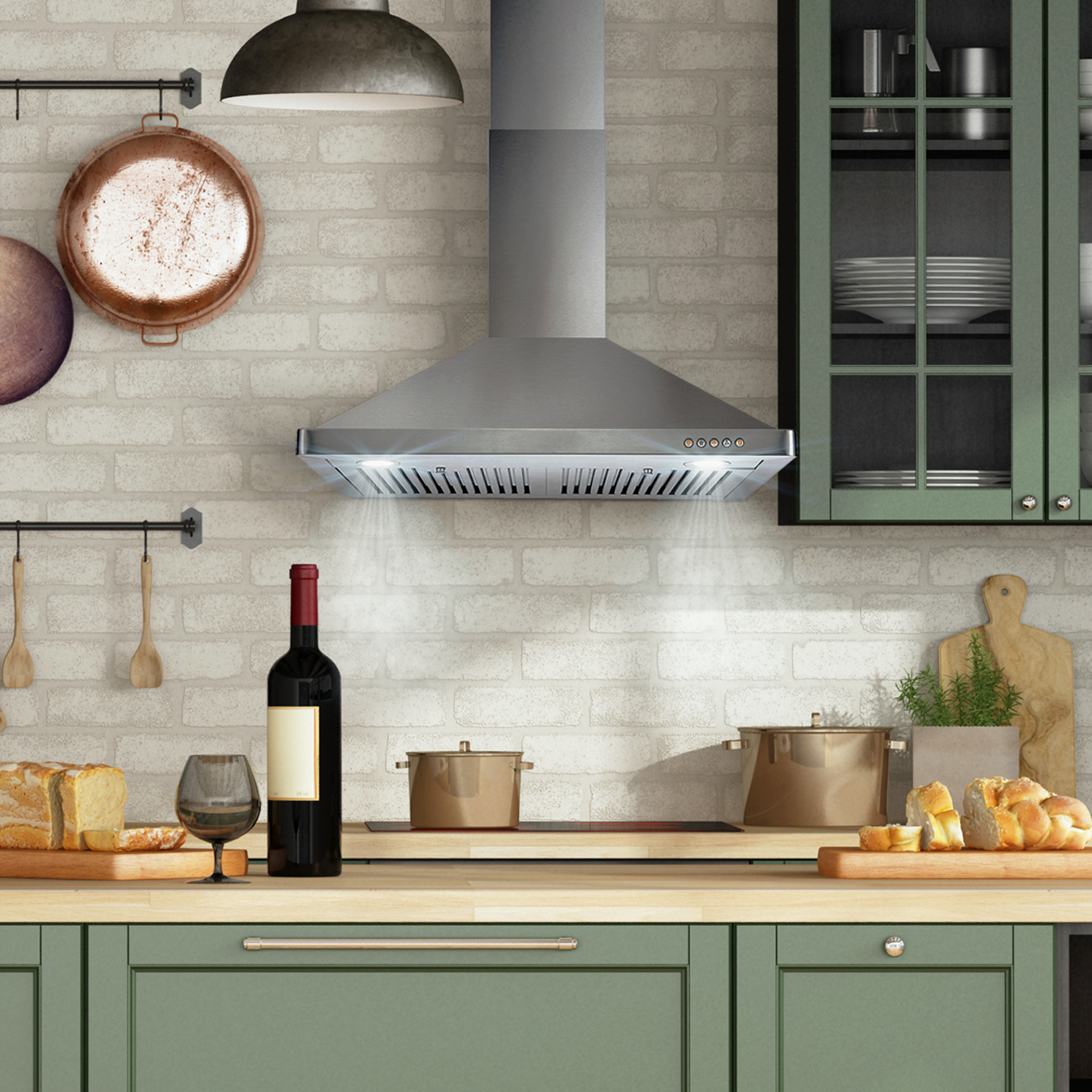
How the COS-63175 Wall Mount Range Hood Transforms Your Kitchen’s Air Quality and Aesthetic

In today’s kitchen, design and performance go hand in hand. Whether you’re renovating a dated space or building from scratch, one appliance often overlooked—but absolutely essential—is your range hood. More than just a vent, it’s the unsung hero of kitchen comfort, keeping the air clear while subtly anchoring your room’s style. Among the top choices for modern homeowners? The COSMO COS-63175 Wall Mount Range Hood—a piece that fuses form, function, and forward-thinking design. In this post, we’ll explore why this range hood deserves a front-row spot in your kitchen upgrade. Why Ventilation Is Non-Negotiable in the Modern Kitchen Every time you sauté, sear, or simmer, your kitchen air fills with smoke, grease particles, and lingering odors. Without proper ventilation, those airborne pollutants cling to your cabinetry, affect indoor air quality, and create an environment that’s anything but inviting. Here’s why range hoods matter: The COS-63175 handles all this — and looks good doing it. Introducing the COS-63175: A Fusion of Power and Elegance The COS-63175 is a 30-inch wall mount range hood with a canopy glass visor and durable stainless steel construction. Designed with both power and aesthetics in mind, it’s ideal for homeowners who want a premium experience without premium pricing. Key Features at a Glance: Design that Complements Any Kitchen One of the standout features of the COS-63175 is its visual versatility. The combination of stainless steel and clear tempered glass creates a streamlined silhouette that integrates beautifully with a range of kitchen styles—from industrial to contemporary and even transitional. The wall-mounted design opens up visual space above your range, making the room feel more expansive and open. It’s the perfect solution for kitchens where visual flow is just as important as functionality. Engineered for Quiet, Effective Performance A powerful range hood doesn’t have to sound like a jet engine. The COS-63175 operates quietly—making it ideal for open-concept homes and families who enjoy talking, entertaining, or listening to music while cooking. With a maximum noise level of only 65 dB (equivalent to a normal conversation), you’ll barely notice it’s running—even on the highest setting. Easy Maintenance with ARC-FLOW Filters Maintenance is often a pain point for range hood owners, but Cosmo eliminates that with ARC-FLOW permanent stainless steel filters. Unlike traditional mesh or charcoal filters, these don’t need frequent replacements. Just pop them in the dishwasher for a deep clean—no fuss, no extra cost. Homeowner Feedback: Why They Love the COS-63175 Across product reviews and home design forums, customers consistently praise the COS-63175 for its: One homeowner shared:“This range hood looks like it belongs in a luxury showroom, but it didn’t break our kitchen budget. The lighting is great, and it really keeps the air clean even when cooking steaks or stir fry.” Tips for Choosing the Right Wall Mount Range Hood Before purchasing, make sure to: The COS-63175 Wall Mount Range Hood offers a rare balance of design and performance. Whether you’re updating your kitchen for resale, building a chef-worthy home, or simply improving everyday air quality, this model checks all the boxes.

Exploring the Health Benefits of Homemade Meals and Cooking from Scratch as a Family

In today’s fast-paced world, the convenience of takeout and pre-packaged meals can be tempting. However, there’s a compelling case to be made for the health benefits of homemade meals and cooking from scratch, especially when done as a family. Preparing and enjoying meals together not only nurtures better eating habits but also strengthens family bonds. Here’s why you should consider incorporating more homemade meals into your routine and how it can positively impact your health and well-being. Nutritional Advantages of Homemade Meals 1. Control Over Ingredients When you cook from scratch, you have complete control over what goes into your meals. This means you can choose high-quality, fresh ingredients and avoid unhealthy additives, preservatives, and excessive amounts of sugar, salt, and unhealthy fats often found in processed foods. 2. Balanced Nutrition Homemade meals allow you to create well-balanced dishes that include a variety of food groups. You can ensure that each meal contains the right proportions of vegetables, lean proteins, whole grains, and healthy fats, promoting overall nutritional balance. 3. Portion Control Cooking at home enables better portion control, helping to avoid overeating. Restaurant portions are often larger than necessary, leading to excessive calorie intake. At home, you can serve appropriate portion sizes that align with your dietary needs and goals. 4. Fresh and Seasonal Ingredients Using fresh, seasonal ingredients enhances the flavor and nutritional value of your meals. Seasonal produce is often more nutrient-dense and environmentally friendly, as it requires less transportation and storage time. Emotional and Social Benefits of Cooking as a Family 1. Strengthening Family Bonds Cooking together provides a valuable opportunity for family members to connect and spend quality time together. It fosters teamwork, communication, and cooperation, strengthening familial bonds and creating lasting memories. 2. Teaching Life Skills Involving children in cooking from a young age teaches them essential life skills, such as meal planning, grocery shopping, and food preparation. These skills are valuable for their future independence and encourage healthier eating habits. 3. Enhancing Mental Well-being Cooking can be a therapeutic activity that reduces stress and promotes mindfulness. Engaging in the process of preparing a meal from scratch can be a creative and relaxing way to unwind and enjoy the present moment. 4. Encouraging Healthy Eating Habits When children participate in meal preparation, they are more likely to develop a positive relationship with food and be open to trying new, healthy dishes. This involvement can lead to better eating habits that last a lifetime. Practical Tips for Cooking Homemade Meals as a Family 1. Plan Meals Together Involve the whole family in meal planning. Discuss and decide on recipes together, considering everyone’s preferences and dietary needs. This collaborative approach ensures that everyone feels included and excited about the meals. 2. Assign Age-Appropriate Tasks Assign cooking tasks based on each family member’s age and skill level. Younger children can wash vegetables, stir ingredients, or set the table, while older children and adults can handle more complex tasks like chopping, cooking, and seasoning. 3. Make It Fun Turn cooking into a fun and enjoyable activity. Play music, try new recipes, and celebrate culinary successes together. Create a positive atmosphere that makes everyone look forward to cooking and eating together. 4. Emphasize the Importance of Clean-Up Teach the importance of kitchen hygiene and cleaning up after cooking. Working together to tidy up the kitchen instills a sense of responsibility and keeps the cooking space organized and inviting. Cooking homemade meals from scratch as a family offers numerous health benefits beyond just nutritional advantages. It provides a platform for strengthening family bonds, teaching valuable life skills, and promoting mental well-being. By making homemade meals a regular part of your routine, you can enjoy healthier eating habits, better portion control, and a deeper connection with your loved ones. Embrace the joys of cooking together and discover the positive impact it can have on your family’s health and happiness. Whether it’s a simple weeknight dinner or a special weekend feast, the benefits of cooking from scratch and sharing homemade meals are truly priceless.

Simplify Your Baking Cleanup: Use a Silicone Baking Mat or Parchment Paper

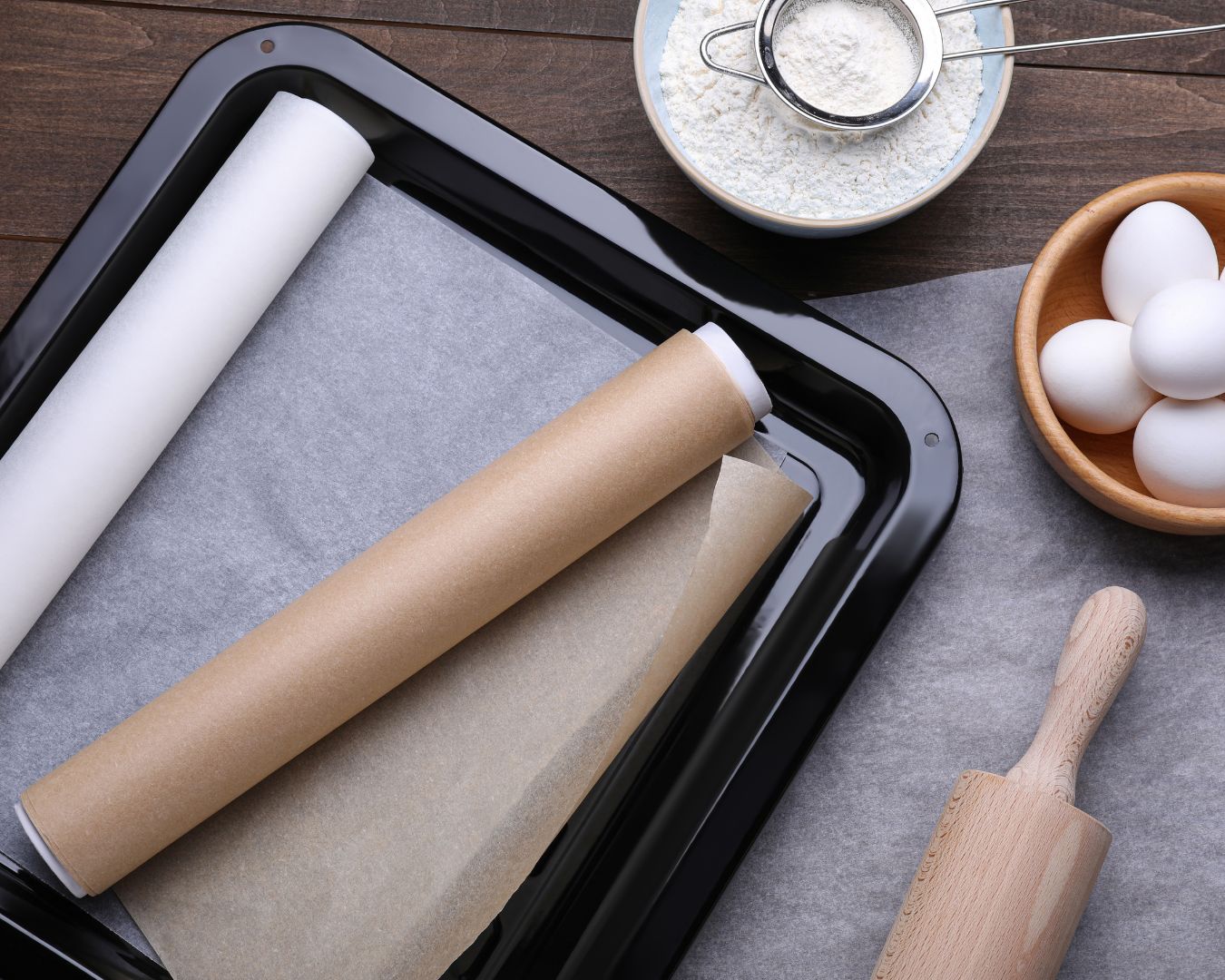
Baking is a beloved kitchen activity, bringing joy with every batch of cookies, cakes, and pastries. However, the aftermath can be less enjoyable when you’re left scrubbing stuck-on residue from your baking sheets. Fortunately, there’s a simple solution to this common problem: using silicone baking mats or parchment paper. These kitchen tools not only ensure a mess-free cleanup but also improve your baking results. Here’s why and how you should incorporate them into your baking routine. Benefits of Using Silicone Baking Mats 1. Easy Cleanup Silicone baking mats create a non-stick surface, preventing your baked goods from sticking to the pan. This means no more scrubbing off burnt bits or dealing with stuck-on dough. After baking, simply wipe the mat clean or pop it in the dishwasher. 2. Reusable and Eco-Friendly Unlike single-use parchment paper, silicone mats are reusable. This makes them an environmentally friendly option that reduces waste. A quality silicone mat can last for years, making it a worthwhile investment for any kitchen. 3. Even Heat Distribution Silicone baking mats promote even heat distribution, ensuring that your cookies, pastries, and other baked goods cook uniformly. This can result in better texture and flavor, with perfectly baked bottoms every time. 4. Versatility These mats are incredibly versatile. Besides baking, they can be used for rolling out dough, making candy, and even as a non-stick surface for kneading bread. Benefits of Using Parchment Paper 1. Convenience and Easy Cleanup Parchment paper provides a non-stick surface that makes transferring baked goods from the pan to a cooling rack a breeze. Once you’re done, you can simply toss the paper, leaving your baking sheet clean and ready for the next batch. 2. Prevents Sticking and Burning Parchment paper helps prevent delicate baked goods from sticking or burning on the bottom. It’s particularly useful for baking cookies, as it promotes even baking and easy removal from the pan. 3. Versatile Uses In addition to lining baking sheets, parchment paper can be used for a variety of kitchen tasks. It’s perfect for creating parchment packets for cooking fish or vegetables, and it can even be used to line cake pans for easy removal. 4. Heat Resistant Parchment paper is heat resistant and can be used in ovens up to high temperatures. This makes it ideal for a range of baking needs, from cookies to roasted vegetables. How to Use Silicone Baking Mats How to Use Parchment Paper Incorporating silicone baking mats or parchment paper into your baking routine can significantly reduce cleanup time and improve your baking results. These tools offer a convenient, non-stick surface that ensures even baking and easy removal of your baked goods. Whether you prefer the reusable nature of silicone mats or the versatility of parchment paper, both options are fantastic for any home baker looking to make their kitchen time more enjoyable and efficient. Say goodbye to scrubbing and scraping, and embrace a cleaner, easier baking experience. Your future self will thank you!

How to Separate Biodegradable and Non-Biodegradable Waste in Your Kitchen

Managing kitchen waste effectively is crucial for maintaining a clean home and contributing to environmental sustainability. One of the most effective ways to do this is by separating biodegradable and non-biodegradable waste. This practice not only helps in reducing the amount of waste that ends up in landfills but also promotes recycling and composting efforts. Here’s a comprehensive guide on how to separate biodegradable and non-biodegradable waste in your kitchen. What is Biodegradable Waste? Biodegradable waste consists of organic materials that can be broken down by microorganisms into natural elements. This type of waste includes: What is Non-Biodegradable Waste? Non-biodegradable waste consists of materials that do not break down easily and can persist in the environment for a long time. This type of waste includes: Steps to Separate Biodegradable and Non-Biodegradable Waste 1. Set Up Separate Bins Biodegradable Waste Bin: Non-Biodegradable Waste Bin: 2. Educate Your Household 3. Composting Biodegradable Waste 4. Recycling Non-Biodegradable Waste Benefits of Separating Waste Separating biodegradable and non-biodegradable waste in your kitchen is a simple yet effective way to contribute to environmental sustainability. By setting up separate bins, educating your household, and participating in composting and recycling programs, you can significantly reduce your kitchen waste’s impact on the environment. Start implementing these practices today and take a step towards a cleaner, greener future.