kitchen

More Than One Right Finish: How Personalization Is Reshaping American Kitchens in 2026

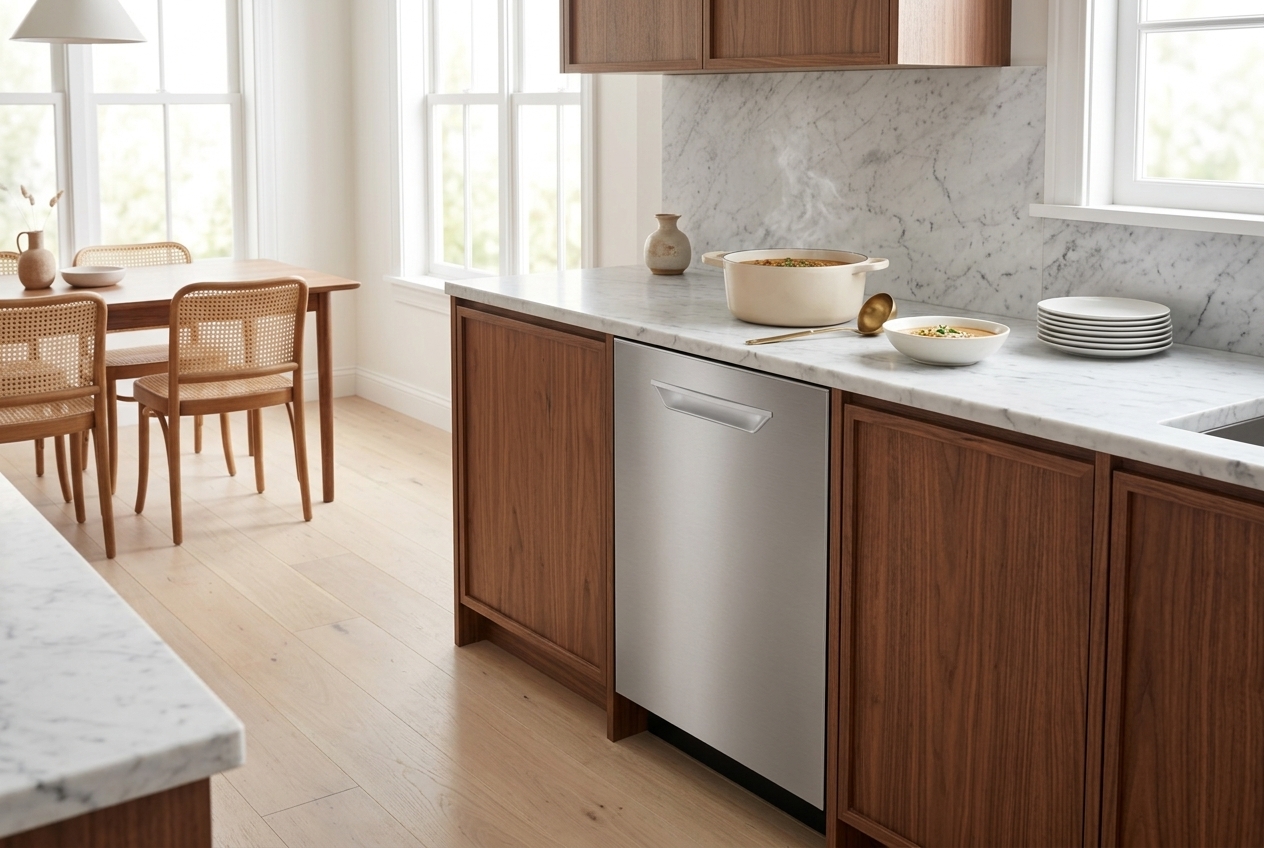
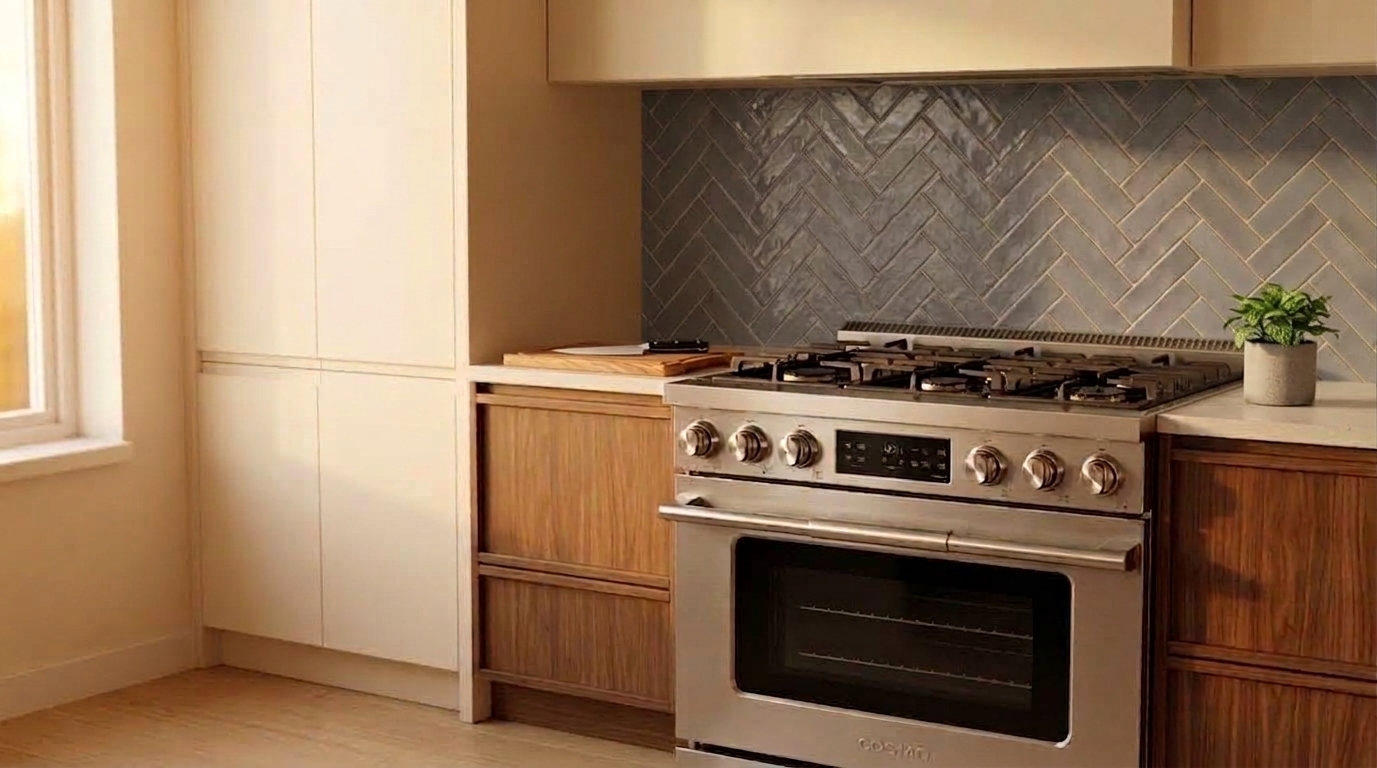
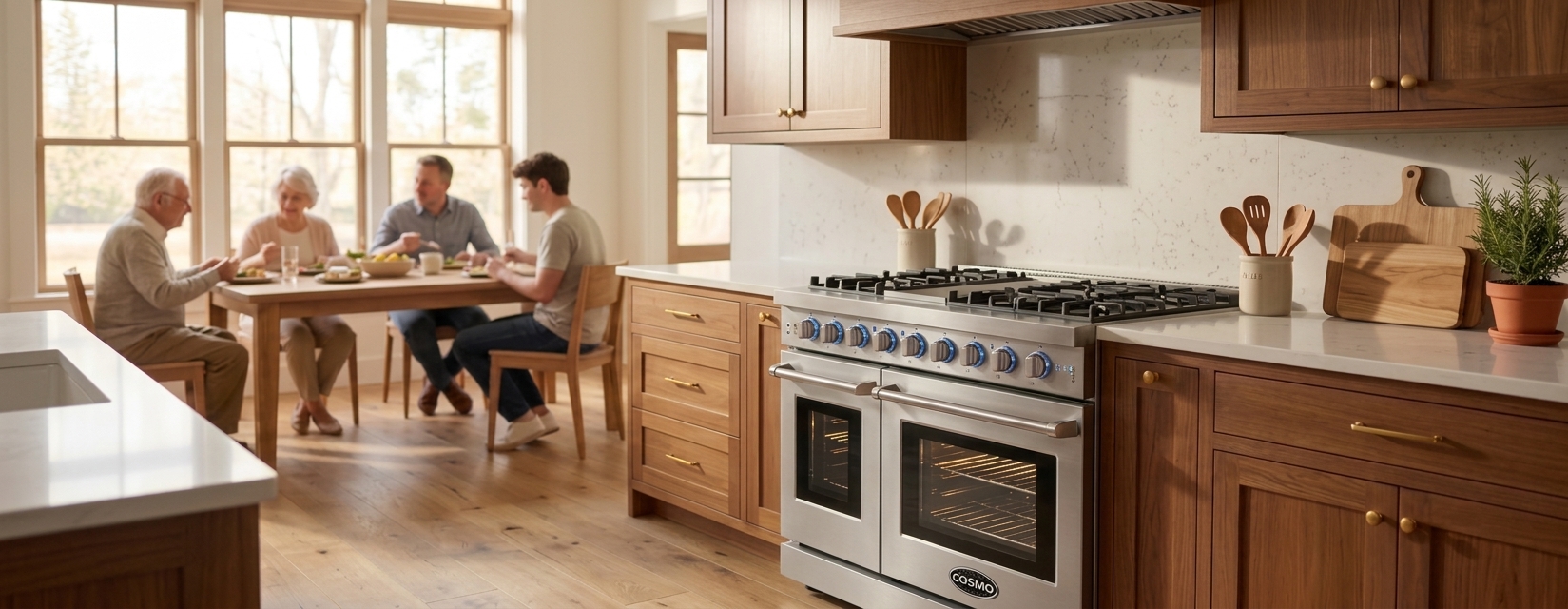
Stainless steel earned its place in the kitchen for good reason. It resists corrosion, shrugs off heat, and wipes clean in a way few materials can match, which is exactly why it remains the performance benchmark against which every other finish gets measured. That has not changed in 2026. What has changed is what sits alongside it. Homeowners are no longer treating finish as a single, universal decision made once and applied to every appliance in the house. Increasingly, they are layering finish choices on top of that performance standard, choosing matte black, warmer whites, or wood-tone cabinetry to make a kitchen feel specifically theirs, and the data behind that shift is hard to ignore. The Numbers Behind the Shift According to the 2026 U.S. Houzz Kitchen Trends Study, wood-tone cabinetry has edged out white as the single most popular cabinet finish among renovating homeowners for the first time in years, chosen by 29 percent of respondents compared to white’s 28 percent, a reversal from the previous study. That six-point swing toward wood tones did not happen in isolation. Pinterest’s 2026 trend data shows a similar pattern in search behavior, with warmer, more personal palettes climbing steadily while the cool gray and stark white that defined the 2010s kitchen lose ground. Pantone’s Color of the Year for 2026, Cloud Dancer, tells the same story from a different angle: a soft, chalky white with warmth built in, explicitly positioned as a departure from the clinical whites that have dominated kitchens for a decade. Put together, the picture is consistent across every major source tracking this space. American kitchens are not abandoning the performance and durability that made stainless steel the standard in the first place. They are asking for that same standard delivered in a wider range of finishes, ones that feel warmer, more personal, and more deliberately chosen. Why Matte Black Has Staying Power Of all the finishes gaining ground, matte black has proven to be more than a passing moment. Coating technology has genuinely improved over the past several years, and modern matte black finishes resist scratching and fading in ways earlier versions could not, which matters enormously for an appliance that gets touched, wiped down, and leaned on every day. The practical case is just as strong as the aesthetic one: a matte black cooktop or range front does not show fingerprints or water spots the way polished stainless steel does, which is a real, daily difference for any household with kids, guests, or simply a lot of cooking happening. Design-wise, matte black pairs naturally with the wood-tone cabinetry gaining ground in the Houzz data, and it works just as well against a soft warm white like Cloud Dancer, giving it more flexibility across kitchen styles than a bolder color trend would offer. That combination of practicality and design flexibility is a large part of why matte black has moved from a niche, ultra-modern choice to a mainstream option that shows up across contractor-grade renovations and high-end builds alike. A Finish for a Purchase That Outlasts a Paint Color Appliance finish carries a different weight than a wall color or a throw pillow. A range or a cooktop is a purchase most households live with for a decade or more, which means betting the whole kitchen on a finish that could look dated in five years is a genuine risk. This is part of why Cosmo builds many of its most popular ranges in parallel matte black and stainless steel versions rather than offering matte black as a single, standalone product. The COS-EPGR366-BK, a 36-inch gas range from the Haven Collection, is a clear example of how that plays out in practice. Built with the same 6.0 cu. ft. convection oven, six sealed burners ranging from 9,000 to 18,000 BTU, and heavy-duty cast iron grates as its stainless steel counterpart, the COS-EPGR366-BK swaps in an elegant matte black finish with a matching matte black oven door handle and knobs, along with bright LED knob indicator lights that give the control panel a distinctly modern look after dark. A lower storage drawer and removable backsplash round out a range built for either freestanding or slide-in installation, so the finish decision does not force a compromise on functionality or fit. Having both finishes built on the same platform matters more than it might seem. It means a homeowner leaning toward wood-tone cabinetry and warmer, more personal finishes is not trading away the durability and heat resistance that stainless steel is known for. The engineering underneath stays the same. Only the finish on top changes. Choosing a Finish That Will Still Look Right in 2031 A few practical guidelines help when weighing a finish decision meant to last: Matte black tends to age better than a bold accent color because it functions more like a neutral than a statement, which means it stays compatible with a kitchen even if the cabinetry or countertops change down the line. Mixing metals intentionally, rather than avoiding it entirely, has become far more accepted; a matte black range with brushed nickel cabinet hardware or a warm brass faucet reads as curated rather than mismatched in most of today’s kitchens. Consider how a finish performs day to day, not just how it photographs. A matte black cooktop that resists fingerprints and water spots earns its keep in a way a striking but high-maintenance finish sometimes does not. Whenever possible, choose an appliance line that offers the same features across multiple finishes, so the decision comes down to genuine preference rather than trading capability for color. A More Personal Kitchen, Built on the Same Standard This is not a story about one finish replacing another. Stainless steel remains the benchmark for what a kitchen appliance should be able to withstand, and that has not changed. What has changed is how many finishes can now be built to meet that same benchmark. Wood-tone cabinetry, warmer whites, and matte black appliances are all part of the same underlying

Sizzle, Season, Serve: A Toast to National Fajita Day

Every August 18th, the unmistakable hiss of a cast-iron skillet hitting a table announces that National Fajita Day has arrived. It is a holiday built entirely around sound and smell, the sizzle of seared beef and peppers, the sharp scent of lime and cumin cutting through the air, and the small ceremony of wrapping it all in a warm tortilla. Few dishes carry quite as much theater to the table as the fajita, and fewer still can trace their journey from a discarded cut of beef to a national celebration with such a clear, well-documented path. From Ranch Hand’s Pay to Restaurant Staple The story of the fajita begins in the 1930s, on the ranch lands of South Texas along the Rio Grande Valley. Mexican vaqueros working cattle ranches were frequently paid, in part, with the cuts of beef that butchers and ranch owners did not want, and skirt steak, thin, tough, and unglamorous by the standards of the day, was near the bottom of that list. Rather than let it go to waste, vaqueros marinated the meat, grilled it quickly over open coals, sliced it thin against the grain, and tucked it into a tortilla for a portable, filling meal between long stretches of ranch work. The name itself comes from the Spanish word faja, meaning “belt” or “strip,” a direct reference to the shape of the cut. For decades, this remained a regional tradition, largely unknown outside the ranches and family kitchens of South Texas. That changed in 1973, when Ninfa Rodriguez Laurenzo, known to generations of Houstonians simply as Mama Ninfa, opened a small Tex-Mex restaurant on Navigation Boulevard. Her tacos al carbon, built around that same marinated, grilled skirt steak, sold 250 orders on opening day alone. Word spread quickly, other Houston restaurants began serving their own versions, and by the 1980s the dish, now called by its Spanish name directly, had become a full-blown Tex-Mex phenomenon, complete with the sizzling cast-iron platter presentation that remains its signature to this day. How National Fajita Day Came to Be National Fajita Day was established in 2016 by On the Border Mexican Grill and Cantina, with the date officially registered and proclaimed by the National Day Calendar that same year. Compared to some food holidays with murkier origins, Fajita Day has a clear founding story and a clear purpose: giving a dish with genuine working-class Texas roots its own day of recognition, distinct from the broader, often vague celebration of Tex-Mex cuisine as a whole. What Actually Makes a Fajita a Fajita A true fajita is defined less by its ingredients than by its method. Thin strips of well-marinated meat, traditionally skirt steak, though chicken, shrimp, and vegetable versions have all found their place, are cooked over very high, direct heat just long enough to develop a deep, charred crust while the interior stays tender. Bell peppers and onions are seared alongside, often in the same pan, until they soften and pick up their own touch of char. Everything gets sliced thin, piled onto warm tortillas, and finished with whatever a household considers essential: pico de gallo, guacamole, sour cream, a squeeze of lime. The technique matters more than any single ingredient. A fajita cooked over gentle, even heat turns gray and steamed rather than seared, losing the char that gives the dish its character. That is precisely why fajitas have always demanded serious heat, whether from an open ranch fire in the 1930s or a home range today. Why High Heat Is Non-Negotiable Searing meat and vegetables at the speed a proper fajita requires puts real demands on a stovetop. A burner that cannot deliver intense, sustained heat will steam the meat before it chars, and a pan that cools too quickly between additions will never build the crust a good fajita depends on. This is where the Cosmo COS-965AGFC, a 36-inch professional style gas range, earns its place in a kitchen built for this kind of cooking. Its 18,000 BTU triple ring burner is engineered specifically for exactly this demand, delivering the kind of fast, aggressive heat that a cast-iron skillet or griddle needs to properly char skirt steak and blister peppers in minutes rather than steam them slowly. The heavy-duty cast iron grates hold a pan rock-steady over that heat, so a full skillet of sizzling fajita filling can go straight from stovetop to table without a wobble. Four additional burners, ranging from an 8,800 BTU rapid burner down to a 5,000 BTU auxiliary burner, mean the tortillas can warm on one side of the range while the beef sears on the other, and the 4.4 cu. ft. convection oven underneath handles a side of Mexican rice or a tray of roasted vegetables at the same time, without anyone waiting on the stovetop to clear. Fajitas, American Style Since crossing over from ranch tradition to restaurant menu, the fajita has taken on a distinctly American shape. Tex-Mex kitchens across the country lean into bold marinades built on lime, garlic, and chili powder, and the sizzling cast-iron presentation, largely a Houston restaurant invention rather than a ranch-era tradition, has become inseparable from how Americans expect fajitas to arrive at the table. Chicken fajitas, virtually unheard of in the dish’s earliest days, are now just as common an order as the original beef version, and shrimp and vegetable fajitas have carved out their own steady following on menus nationwide. Celebrating at Home Marking National Fajita Day does not require anything elaborate. A simple marinade of lime juice, garlic, cumin, and chili powder needs only thirty minutes to work into thin-sliced skirt steak or chicken, and from there the entire dish comes together in the time it takes to slice a couple of bell peppers and an onion. The real key is committing to real heat rather than easing into it, letting the pan get properly hot before the meat goes in, and resisting the urge to crowd the skillet, which drops the temperature and turns a

High-Protein Cooking, Beyond the Smoothie

Protein has quietly become the defining nutritional concern of the decade. What began as a fitness-culture talking point has moved firmly into the mainstream, showing up in grocery aisle labeling, restaurant menus, and a steady stream of home cooking content built around getting more protein into ordinary meals without sacrificing flavor. Most of that conversation has stayed confined to the blender: protein smoothies, shakes, and overnight oats dominate the search results and the social feeds built around them. That leaves a significant amount of ground uncovered, because some of the most effective ways to build protein into a diet are not blended at all. They are baked, proofed, and fermented, and they depend far more on precise, low-temperature cooking than they do on a good blender. This is worth taking seriously rather than treating as a passing wellness trend. Fermentation and slow, controlled protein cookery are old techniques experiencing new demand, driven by a public that is increasingly interested in both protein content and gut health simultaneously. Search interest in homemade yogurt, high-protein baking, and fermented staples has climbed steadily as consumers grow more skeptical of processed protein powders and more curious about where their protein actually comes from. Getting either one right in a home kitchen depends on a variable most cooks rarely think about: how accurately an oven can hold a low, steady temperature over an extended period. Why Protein Cooking Is a Different Discipline Most home cooking is organized around speed and high heat. A hot pan sears a steak, a hot oven crisps a roast, and a hot burner reduces a sauce. Protein-focused cooking, particularly the slower techniques associated with fermentation and dairy-based baking, runs almost entirely counter to that instinct. It rewards patience, tight temperature tolerances, and equipment that can behave predictably over long stretches of time rather than short, high-intensity bursts. This is part of why so many home attempts at yogurt-making, tempeh culturing, or protein-enriched bread underperform compared to what a recipe promises. The technique itself is usually sound. What fails is the environment the technique depends on. A recipe that calls for holding milk at 110 degrees for eight hours assumes an appliance capable of actually doing that, consistently, without drifting five or ten degrees in either direction over the course of an afternoon or overnight. Why Low, Slow, and Steady Beats Hot and Fast Protein-dense cooking techniques share a common requirement that stands in direct opposition to how most home cooking gets done. A seared steak wants high heat delivered quickly. A loaf of yogurt-based bread, a tray of baked eggs, or a batch of homemade tempeh wants the opposite: a gentle, unwavering temperature held for an hour or more, often well below the range most ovens are built to manage precisely. This distinction matters because protein and the beneficial bacteria involved in fermentation are both sensitive to temperature swings in ways that fat and carbohydrate are not. Dairy-based proteins toughen and separate above certain thresholds, releasing moisture and turning grainy in a way that cannot be reversed once it happens. Live cultures used in yogurt, tempeh, and sourdough-adjacent baking die off entirely if the environment runs too hot, and stall out or fail to activate if it runs too cool. A conventional oven that cycles several degrees above and below its set point, the kind of variance that goes unnoticed in a batch of cookies, is often the exact reason a homemade yogurt turns out thin, a batch of tempeh fails to culture properly, or a protein-enriched loaf comes out dense and gummy in the center. The Hidden Cost of an Inconsistent Oven It is worth being specific about what “inconsistent” actually means in practical terms. Most conventional ovens operate on a cycle: the heating element fires until the interior slightly overshoots the set temperature, shuts off, and then fires again once the temperature drops a few degrees below target. For most baking, this swing, often five to fifteen degrees in either direction, is invisible in the final result. Bread, cookies, and roasted vegetables are forgiving enough that a few degrees of drift changes almost nothing about the outcome. Protein-focused techniques do not have that same margin. An oven swinging between 100 and 120 degrees while a recipe calls for a steady 110 will produce a yogurt that cultures unevenly, thinner in some spots and firmer in others, sometimes with a slightly sour or off flavor where the temperature ran too high for too long. The same swing applied to a low-temperature custard or a protein-enriched bake produces the graininess and moisture separation that ruins texture even when the flavor is otherwise correct. In both cases, the recipe was not the problem. The equipment was. What This Actually Requires From an Oven Where true convection and precise holding make the difference. Cosmo’s wall oven, the C51EIX, a 24-inch stainless steel single electric wall oven built with Turbo True European Convection, is designed around exactly this kind of demand. Its dedicated rear heating element and fan circulate air evenly throughout the cavity, which matters considerably more for a two-hour yogurt incubation or a slow-proofed, protein-enriched dough than it does for most everyday baking. Uneven heat in this context does not just produce an inconsistent bake; it can mean one section of a tray cultures properly while another does not culture at all, leaving a single batch with two entirely different textures depending on where it sat in the oven. Equally important is how tightly the oven holds its target temperature rather than swinging around it. Many fermentation and slow-protein techniques call for a narrow window, often in the 100 to 130 degree range for yogurt culturing or the mid-300s for protein-rich baked goods like high-protein bread or baked custards. The C51EIX’s convection system is built to minimize that drift, which is precisely the kind of consistency these techniques depend on. An oven that cannot hold a low setting accurately effectively rules out an entire category of protein-focused cooking before the

The Outdoor Kitchen Boom: Why the Backyard Has Become America’s Newest Kitchen

For much of the past decade, the outdoor kitchen occupied a narrow role in American home design: a grill, perhaps a side burner, positioned near a patio table and used sparingly outside of holiday cookouts. That role has changed considerably. In 2026, outdoor kitchens have moved decisively beyond the basic grill station, evolving into fully equipped extensions of the home that rival indoor kitchens in both capability and design ambition. This shift reflects a broader change in how households think about outdoor space. Rather than treating the backyard as separate from daily life, homeowners increasingly view it as another room, one built around cooking, entertaining, and spending unstructured time outside the house. Designers and outdoor living companies alike point to the same pattern: built-in refrigeration, dedicated beverage centers, expansive prep counters, and premium grilling equipment are no longer reserved for luxury builds. They have become standard expectations for a well-designed outdoor space. This guide examines what is actually driving the outdoor kitchen boom, what belongs in a well-planned outdoor cooking space, and how a centerpiece appliance such as the Cosmo COS-GGFN587GSS Newport Collection Grill anchors an outdoor kitchen built to perform at a genuinely professional standard. From Grill Station to Full Kitchen The defining characteristic of the current outdoor kitchen trend is scope. Where a backyard cooking setup once meant a single freestanding grill, 2026’s outdoor kitchens are being designed as complete, multifunctional spaces. Pizza ovens are increasingly specified alongside, or in place of, a traditional grill. Dedicated beverage centers, complete with built-in refrigeration, wine storage, and ice makers, are becoming a standard feature rather than an upscale add-on, allowing hosts to remain outside with guests instead of making repeated trips back to the indoor kitchen. Modular design has emerged as one of the more significant developments within this trend. Rather than committing to a single, fixed outdoor kitchen layout, homeowners are increasingly choosing modular systems that allow a space to begin small and expand over time, adding storage, additional cooking equipment, or seating as budget and need dictate. This approach has made a genuinely capable outdoor kitchen accessible to a far wider range of households than the custom masonry builds of the past. Smart technology has followed a similar trajectory outdoors as it has indoors. Wi-Fi-enabled grills, app-controlled refrigeration units, and connected lighting systems now appear regularly in outdoor kitchen builds, bringing the same convenience expectations from the indoor kitchen out into the yard. What Belongs in a Well-Planned Outdoor Kitchen Regardless of scale, the outdoor kitchens gaining the most traction in 2026 tend to share a consistent set of practical features: The common thread across each of these elements is durability paired with genuine functionality, a standard that distinguishes an outdoor kitchen built for daily use from one that exists primarily for appearance. A Genuine Investment, Not Just an Upgrade The outdoor kitchen boom is not driven by aesthetics alone. It reflects a market that has come to view outdoor cooking spaces as a legitimate home investment rather than a discretionary luxury. The U.S. outdoor kitchen market reached an estimated $10 billion in 2026, growing at an annual rate of 8 to 9 percent, with warm-climate states such as Texas, Florida, and California accounting for roughly a third of all national spending in the category. The return on that investment holds up under scrutiny as well. Well-designed outdoor kitchens typically deliver a resale return in the range of 60 to 120 percent of their construction cost, depending heavily on design quality, materials, and regional climate, with properties in warmer regions generally realizing the strongest returns. Beyond direct resale value, real estate professionals increasingly cite a functional outdoor kitchen as a meaningful factor in a home’s overall marketability, particularly among buyers who prioritize entertaining space. This shift matters for how the investment is approached. A well-built, versatile grill of genuine commercial caliber is not simply a purchase for immediate enjoyment. It is the foundation of an outdoor space that continues to add both usable living area and resale value to the home for as long as it remains in place. The Centerpiece: Choosing the Right Grill Every outdoor kitchen is organized around its grill, which makes this single purchase disproportionately important relative to nearly every other decision in the space. A grill that is underpowered, poorly organized, or built from materials unsuited to permanent outdoor installation will limit the usefulness of the entire kitchen around it, regardless of how well the rest of the space is designed. The Cosmo COS-GGFN587GSS Newport Collection Grill was engineered specifically for this role. Constructed from premium stainless steel resistant to rust, corrosion, and prolonged outdoor weathering, the 58-inch grill delivers a combined 76,000 BTUs of output across six main 9,000 BTU burners, a 10,000 BTU rear infrared rotisserie burner, and a dedicated 12,000 BTU side griddle burner. That combination allows a single unit to handle grilling, rotisserie cooking, and griddle-style preparation simultaneously, a level of versatility that would otherwise require several separate outdoor appliances. The rotisserie function in particular sets the Newport Collection apart from standard outdoor grills. The included motorized rotisserie kit is built for larger cuts of meat, roasting evenly and consistently in a way that direct grilling alone cannot replicate, and it transforms the grill from a searing station into a genuine outdoor roasting appliance. Paired with a built-in thermometer and a viewing window on the lid, the grill allows for precise monitoring of longer cooks without repeatedly opening the lid and losing heat, a meaningful advantage for anything beyond a quick weeknight dinner. Built for Real Outdoor Living Beyond raw cooking capability, the details that distinguish a genuinely well-built outdoor grill from a seasonal one tend to be practical rather than dramatic, and the COS-GGFN587GSS is built around exactly those details. The unit includes three drawers and two cabinets, providing substantial dedicated storage for tools, fuel, and serving equipment, along with a dedicated propane tank mount that keeps fuel storage secure and out of the way. Two foldable

Bold, Spicier Global Cooking & Why Ventilation Matters More Than Ever

American kitchens are getting louder, hotter, and considerably more adventurous. Across surveys and social platforms alike, the story is the same: home cooks are reaching further beyond familiar recipes, chasing the heat and depth of global cuisines rather than sticking to the mild, predictable dishes that once defined weeknight cooking. More than half of Americans now consider themselves adventurous eaters, and the data on flavor preferences backs that up in striking detail. Over half of Gen Z identifies as a hot sauce connoisseur, intense flavor callouts in food conversations have climbed sharply year over year, and nearly every restaurant menu in the country now features at least one dish built around serious heat. This is not a passing fad confined to restaurants; it is showing up on home stovetops, in weeknight stir-fries, in weekend curry projects, and in the kind of high-heat searing that used to be reserved for professional kitchens. What often gets left out of that conversation is what this shift actually demands from the kitchen itself. Bolder cooking is not just a matter of stocking a new spice drawer. It changes how a kitchen needs to perform, and nowhere is that more apparent than in ventilation. A Kitchen Trend Rooted in Real Data It helps to look past the anecdotal sense that people are cooking differently and look at what the numbers actually say. Food trend researchers tracking 2026 menus and home recipe searches point to a clear and accelerating pattern: American households are not simply eating more takeout from global cuisines, they are attempting to recreate those dishes themselves. Searches for regional spice blends, fermented condiments, and specific chili varieties have grown steadily, and grocery chains have responded by expanding international aisles that were once an afterthought into some of the fastest-growing sections of the store. Home cooks are asking not just for flavor, but for authenticity, seeking out the same techniques and ingredient ratios used in the countries these dishes originate from rather than a simplified, mild approximation. This authenticity-driven approach naturally pulls in cooking methods that were previously less common in the average American kitchen. Dry-heat searing at very high temperatures, wok-based stir-frying that depends on a screaming-hot pan, and long spice-blooming techniques where whole seeds are toasted directly in oil before the rest of a dish is built around them are all becoming everyday occurrences rather than occasional experiments. Each of these techniques is, by design, meant to push oil and aromatics to the edge of their smoke point, because that is often where the flavor actually develops. The Flavor Shift Behind the Trend The numbers describing this movement toward bold flavor are hard to ignore. Global cuisine exploration has become one of the defining food trends heading into 2026, with home cooks seeking out authentic spices and traditional techniques rather than watered-down, Americanized versions of dishes from India, Sichuan China, Thailand, Mexico, and the Caribbean. Flavor profiles are evolving too, with combinations like spicy-sweet-tangy and spicy-sweet-savory gaining traction as cooks look for more complexity rather than heat alone. Even categories that were once considered mild, such as breakfast foods, have seen a significant jump in bold flavor callouts across social media and recipe searches. This kind of cooking relies on techniques that generate far more smoke, steam, and airborne oil than a typical weeknight meal. High-heat woks, dry-rub searing, char-forward grilling done indoors, and long-simmered curries loaded with toasted spices all release far more into the air than a pot of pasta ever will. A kitchen built around a decade of mild cooking habits is often not equipped to handle that shift, and the ventilation system is usually the first thing to fall behind. Why Ventilation Becomes the Limiting Factor Cooking oil that reaches a high enough temperature to sear meat or crisp aromatics vaporizes into microscopic particles that hang in the air long after the pan is turned off. Ground spices, especially the kind used heavily in bold global cooking, such as cumin, dried chilies, and mustard seed, release pungent compounds when they hit hot oil, and those compounds do not simply dissipate on their own. Without a range hood capable of pulling that volume of air out of the kitchen, the smoke and residue settle instead, on cabinetry, on countertops, in fabric, and in the air the household breathes for hours afterward. This is where CFM, or cubic feet per minute, becomes the single most important number in the kitchen. CFM measures how much air a range hood can move, and it needs to scale with how the stove is actually being used, not just its size. A gentle sauté on a single burner asks very little of a hood. A screaming-hot wok, a dry-rub steak seared in cast iron, or a pot of bubbling curry with the lid off is an entirely different demand, and a hood rated for light-duty cooking will simply be overwhelmed. Under-ventilated kitchens dealing with bold, high-heat cooking tend to show the same signs: a persistent haze near the ceiling, lingering odors the next morning, and a fine film that builds up on cabinet surfaces near the stove faster than it should. The Health Side of the Equation There is also a wellness dimension to this conversation that deserves attention alongside the practical one. High-heat cooking, and searing in particular, produces fine airborne particulates, often referred to as PM2.5, along with volatile compounds released from both the oil and the spices themselves. These particles are small enough to travel deep into the lungs, and indoor air quality researchers have increasingly pointed to home cooking, especially frequent high-heat cooking, as a meaningful contributor to indoor air pollution. A kitchen that cooks boldly and often needs a ventilation system that can actually keep pace, not just to protect cabinetry and countertops from grease buildup, but to keep the air genuinely breathable in the hours after a meal is finished. This is one more reason CFM has become such an important spec for households leaning into global,

Beating the Heat: How to Keep Your Refrigerator Running Efficiently During August Heatwaves

August has a way of turning kitchens into the hottest room in the house. Between the afternoon sun pouring through the windows and the oven getting less use in favor of quick, cool meals, one appliance quietly works harder than almost anything else in the home during a heatwave: the refrigerator. It runs around the clock in every season, but when the ambient temperature climbs into the 90s, the compressor has to work overtime just to hold a steady 37°F. Understanding why that happens, and what can be done about it, is the difference between a fridge that sails through summer and one that struggles, runs up the electric bill, or lets food spoil early. Why Heatwaves Put Extra Strain on Your Fridge A refrigerator does not create cold so much as it removes heat, pulling warmth out of the interior and releasing it into the surrounding room through the condenser coils. That process depends on a meaningful temperature difference between the inside of the unit and the air around it. When a kitchen climbs from a comfortable 72°F to a stuffy 85°F or more, that gap narrows, and the compressor has to run longer and more often to move the same amount of heat. The result is a refrigerator that cycles almost constantly, uses more electricity, and, if conditions are severe enough, may still struggle to keep the interior as cold as it should. This is compounded by the fact that summer is often when refrigerators are asked to do the most work. Warm-weather grocery habits mean more cold drinks, more produce, more ice for entertaining, and more trips to the door as everyone reaches for something cool. Every open door lets warm, humid air rush in, and the compressor has to counteract that before it can rest again. Signs Your Refrigerator Is Working Too Hard A refrigerator under heat stress usually gives some warning before food actually spoils. It helps to know what to watch for so small issues can be addressed before they become expensive ones. Give the Coils Room to Breathe Every refrigerator relies on its condenser coils to release the heat it pulls from inside the cabinet, and those coils need open air around them to do that job well. A unit pushed flush against the wall, or boxed in by cabinetry with no ventilation gap, cannot shed heat efficiently no matter how well it was engineered. Leaving a few inches of clearance on the sides and back, and vacuuming dust and pet hair off the coils every few months, keeps that heat exchange working the way it was designed to. Placement matters just as much as clearance. Direct sunlight through a nearby window, or standing next to a stove or dishwasher that generates its own heat, forces the refrigerator to fight a losing battle against its immediate surroundings. A shaded, well-ventilated spot away from other heat-generating appliances gives the compressor the best possible conditions to work in, heatwave or not. Check the Door Seals The rubber gasket running around the refrigerator and freezer doors is one of the most overlooked parts of the entire appliance, and one of the most important during hot weather. A worn, cracked, or loose seal lets cold air leak out and warm, humid air seep in continuously, forcing the compressor to run far more than it should. A simple test is to close the door on a piece of paper or a dollar bill; if it slides out easily, the seal has likely lost its grip and should be cleaned, and replaced if cleaning does not solve the problem. Keep It Stocked, But Not Crowded A refrigerator that is reasonably full actually holds its temperature more efficiently than an empty one, because the mass of cold food and drinks helps absorb the warm air that rushes in every time the door opens. During a heatwave, keeping a few extra bottles of water in otherwise empty spots can genuinely help the unit recover faster after each opening. The line to watch is overcrowding. Packing shelves so tightly that air cannot circulate around the contents forces the compressor to work harder to reach every corner, which defeats the purpose. Leaving a little breathing room between items, especially near the vents, keeps cold air moving evenly throughout the cabinet. Dial In the Right Temperature It is tempting to turn the dial to its coldest setting during a heatwave, but that usually just means the compressor runs longer without meaningfully improving food safety. The recommended range for the refrigerator compartment is 35°F to 38°F, and 0°F to 5°F for the freezer, and a simple appliance thermometer is the most reliable way to confirm the unit is actually holding those numbers rather than trusting the dial alone. Refrigerators with digital touch controls make this considerably easier to manage, since a precise, readable setpoint takes the guesswork out of finding the right balance between food safety and energy use. Be Deliberate About Opening the Door Every time the refrigerator door opens, warm kitchen air rushes in and cold air spills out onto the floor, and the compressor has to work to recover that lost cold. During a heatwave, when the air rushing in is both hotter and more humid than usual, that recovery takes longer. Deciding what is needed before opening the door, rather than standing with it open while scanning the shelves, and making sure the door is fully closed and sealed each time, adds up to a meaningful difference in how hard the compressor has to work over the course of a hot day. Where Design Makes a Real Difference Some of the burden of a heatwave can be engineered out of the equation before the appliance ever reaches the kitchen. Counter-depth French door refrigerators, for instance, are built to sit closer to cabinetry while still leaving room for airflow at the back and sides, which helps with the ventilation concerns mentioned earlier without requiring a deep, freestanding footprint. Tighter door seals

Cook Like a Pro in Small Spaces: The COS-640STX-E 24″ Gas Cooktop

If you’re looking to elevate your kitchen’s functionality and style without compromising on space, the Cosmo COS-640STX-E 24″ Stainless Steel Drop-In Gas Cooktop is a standout choice. Designed for compact kitchens, this cooktop combines powerful performance with sleek aesthetics, making it ideal for both urban apartments and cozy homes. Powerful Performance in a Compact Design Despite its 24-inch size, the COS-640STX-E doesn’t skimp on power. It features four sealed burners, including: This versatile burner configuration allows you to handle a variety of cooking techniques, from stir-frying to slow simmering, all within a compact footprint. Sleek Stainless Steel Finish The cooktop’s stainless steel surface not only adds a modern touch to your kitchen but also ensures durability and easy maintenance. The sealed burners prevent spills from reaching the interior, simplifying cleanup. Additionally, the heavy-duty cast iron grates are built to last and provide even heat distribution. Safety Features for Peace of Mind Safety is paramount in any kitchen. The COS-640STX-E is equipped with: These features provide added protection, allowing you to cook with confidence. Easy Installation and Versatility Designed for drop-in installation, the COS-640STX-E seamlessly integrates into your kitchen countertop. Its compact dimensions (22.81″ W x 20″ D x 3.36″ H) make it suitable for various kitchen layouts. Additionally, it’s convertible to liquid propane with the optional LP Conversion Kit, offering flexibility based on your fuel source. Specifications at a Glance Where to Buy The Cosmo COS-640STX-E is available for purchase at various retailers, including: Prices may vary, so it’s advisable to check with each retailer for the best deal. For those seeking a blend of style, performance, and safety in a compact kitchen appliance, the Cosmo COS-640STX-E 24″ Gas Cooktop is an excellent choice. Its powerful burners, sleek design, and safety features make it a valuable addition to any modern kitchen. Whether you’re renovating your kitchen or outfitting a new space, consider the COS-640STX-E for a reliable and stylish cooking solution.

Why the COS-GRP304 30″ Gas Range Is the Ultimate Upgrade for Home Chefs

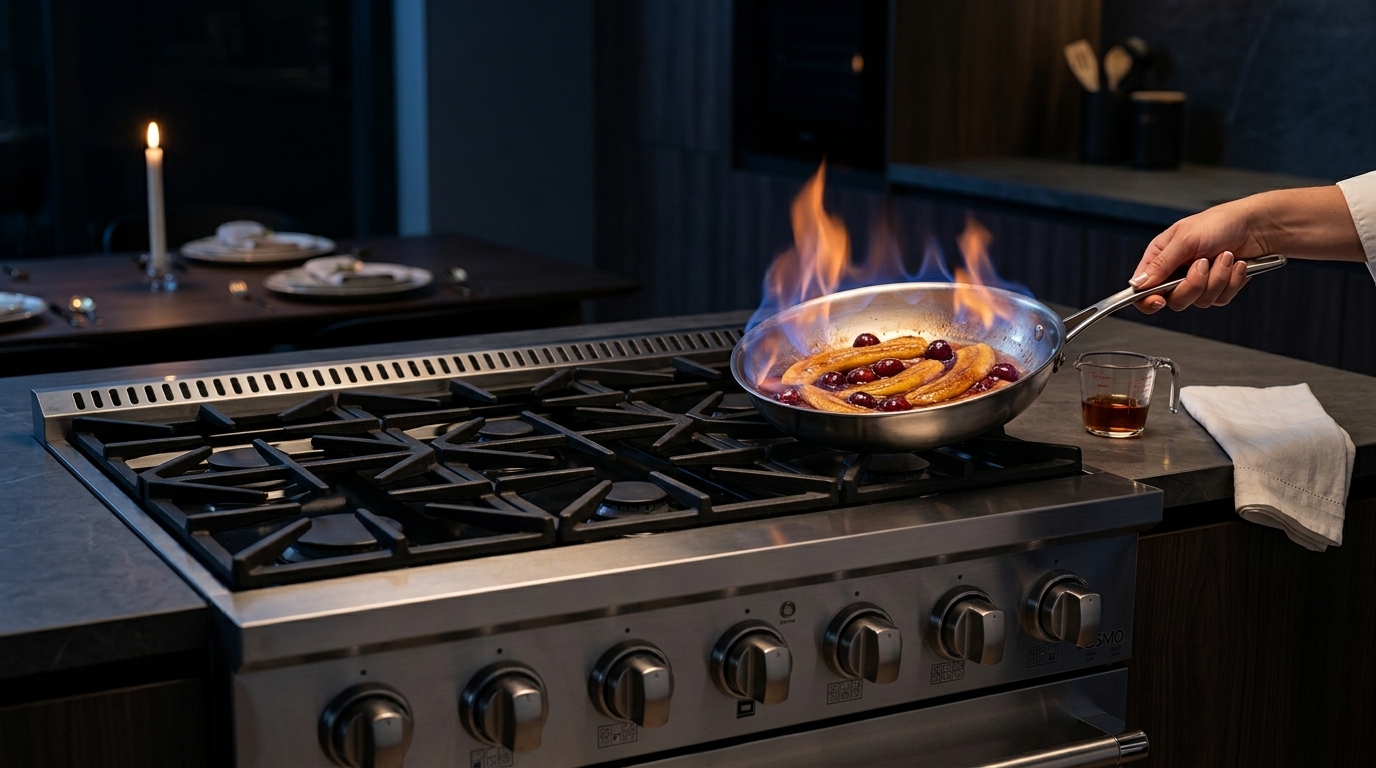
For homeowners and cooking enthusiasts alike, the kitchen is more than just a functional space—it’s the heart of the home. And at the center of that heart is your range. If you’re looking to upgrade your culinary game without sacrificing style, the COS-GRP304 30″ Gas Range delivers professional-grade performance in a perfectly compact form. Let’s dive into why this range is becoming a must-have for modern kitchens—and why it may just be the best investment you make in your cooking journey. Why Homeowners Prefer Gas Ranges Before we get into the specifics of the COS-GRP304, it’s worth understanding why gas ranges are so often the top choice for both professionals and serious home cooks. Benefits of Cooking with Gas: Whether you’re searing, boiling, simmering, or flambéing, gas gives you the responsiveness you need to cook with confidence. Meet the COS-GRP304: Compact, Powerful, and Ready to Cook The COS-GRP304 30″ Gas Range is designed to bring commercial-style cooking power into everyday kitchens. It’s proof that you don’t need a massive, high-end range to cook like a pro. Key Features: Built to Perform—Every Day Don’t let its 30-inch size fool you. The COS-GRP304 is built for high performance across the board: This range is your all-in-one solution for everything from weeknight meals to gourmet creations. Sleek, Modern Design for Any Kitchen The COS-GRP304 doesn’t just perform like a pro—it looks the part too. With a bold stainless steel exterior and heavy-duty knobs, this range brings sophistication to any kitchen layout. Design Highlights: Whether you’re designing a contemporary, farmhouse, or transitional kitchen, the COS-GRP304 fits right in. Safety Meets Durability Cosmo takes user safety seriously, and the COS-GRP304 is no exception. Every feature is engineered for peace of mind. This is a range you can count on—day after day, meal after meal. Real Reviews from Real Homeowners What are actual users saying about the COS-GRP304? Here’s what we’ve seen in feedback across review sites and homeowner forums: “This gas range has changed the way I cook. The high-BTU burners are perfect for wok dishes, and I love how consistent the oven is. Bonus—it looks amazing in my kitchen!” “I didn’t think I could get something this high-end for my budget. The build quality is solid and the performance is just as good as some luxury brands.” Tips for Getting the Most Out of Your COS-GRP304 Here are a few pro tips to help you take full advantage of your new gas range: The COS-GRP304 30″ Gas Range is more than just a pretty face. It’s a tool for creative, inspired cooking. You get: ✅ High-performance burners✅ Spacious, convection-powered oven✅ Durable, stylish design✅ Built-in safety features✅ Incredible value for the price Whether you’re remodeling your kitchen or replacing an aging unit, the COS-GRP304 checks all the boxes—performance, beauty, safety, and reliability.

Selecting the Right Range Hood Style: Wall Mount, Island, Under-Cabinet, and Insert

Selecting the Right Range Hood Style: Wall Mount, Island, Under-Cabinet, and Insert When it comes to maintaining a clean and fresh kitchen environment, selecting the right range hood is essential. The style of your range hood not only affects its functionality but also impacts the overall aesthetics of your kitchen. Whether you’re remodeling your kitchen or just upgrading your ventilation system, understanding the different range hood styles—Wall Mount, Island, Under-Cabinet, and Insert—will help you make an informed choice that fits both your cooking needs and kitchen design. Wall Mount Range Hoods Overview: Wall mount range hoods, also known as canopy or chimney hoods, are designed to be mounted on the wall above your cooking surface. This style often features a sleek, vertical design and can serve as a focal point in your kitchen. Features: Pros: Cons: Ideal For: Island Range Hoods Overview: Island range hoods are designed for kitchens with a cooktop situated on an island or peninsula. These hoods hang from the ceiling and provide ventilation from above the cooking surface. Features: Pros: Cons: Ideal For: Under-Cabinet Range Hoods Overview: Under-cabinet range hoods are mounted directly beneath the kitchen cabinets, making them a practical choice for smaller kitchens or those with limited wall space. They are designed to be unobtrusive and blend with existing cabinetry. Features: Pros: Cons: Ideal For: Insert Range Hoods Overview: Insert range hoods are designed to be installed within custom cabinetry or existing hood frames. They provide a built-in look and can be paired with various decorative covers to match your kitchen design. Features: Pros: Cons: Ideal For: Selecting the right range hood style depends on your kitchen layout, cooking habits, and design preferences. Wall mount range hoods offer powerful ventilation and a modern look, ideal for larger kitchens. Island range hoods are perfect for open layouts with island cooktops. Under-cabinet range hoods provide a space-efficient solution for smaller kitchens, while insert range hoods offer a customizable and integrated option. By understanding the features and benefits of each style, you can choose the range hood that best fits your needs and enhances your kitchen’s functionality and aesthetics.

How the COS-63175 Wall Mount Range Hood Transforms Your Kitchen’s Air Quality and Aesthetic

In today’s kitchen, design and performance go hand in hand. Whether you’re renovating a dated space or building from scratch, one appliance often overlooked—but absolutely essential—is your range hood. More than just a vent, it’s the unsung hero of kitchen comfort, keeping the air clear while subtly anchoring your room’s style. Among the top choices for modern homeowners? The COSMO COS-63175 Wall Mount Range Hood—a piece that fuses form, function, and forward-thinking design. In this post, we’ll explore why this range hood deserves a front-row spot in your kitchen upgrade. Why Ventilation Is Non-Negotiable in the Modern Kitchen Every time you sauté, sear, or simmer, your kitchen air fills with smoke, grease particles, and lingering odors. Without proper ventilation, those airborne pollutants cling to your cabinetry, affect indoor air quality, and create an environment that’s anything but inviting. Here’s why range hoods matter: The COS-63175 handles all this — and looks good doing it. Introducing the COS-63175: A Fusion of Power and Elegance The COS-63175 is a 30-inch wall mount range hood with a canopy glass visor and durable stainless steel construction. Designed with both power and aesthetics in mind, it’s ideal for homeowners who want a premium experience without premium pricing. Key Features at a Glance: Design that Complements Any Kitchen One of the standout features of the COS-63175 is its visual versatility. The combination of stainless steel and clear tempered glass creates a streamlined silhouette that integrates beautifully with a range of kitchen styles—from industrial to contemporary and even transitional. The wall-mounted design opens up visual space above your range, making the room feel more expansive and open. It’s the perfect solution for kitchens where visual flow is just as important as functionality. Engineered for Quiet, Effective Performance A powerful range hood doesn’t have to sound like a jet engine. The COS-63175 operates quietly—making it ideal for open-concept homes and families who enjoy talking, entertaining, or listening to music while cooking. With a maximum noise level of only 65 dB (equivalent to a normal conversation), you’ll barely notice it’s running—even on the highest setting. Easy Maintenance with ARC-FLOW Filters Maintenance is often a pain point for range hood owners, but Cosmo eliminates that with ARC-FLOW permanent stainless steel filters. Unlike traditional mesh or charcoal filters, these don’t need frequent replacements. Just pop them in the dishwasher for a deep clean—no fuss, no extra cost. Homeowner Feedback: Why They Love the COS-63175 Across product reviews and home design forums, customers consistently praise the COS-63175 for its: One homeowner shared:“This range hood looks like it belongs in a luxury showroom, but it didn’t break our kitchen budget. The lighting is great, and it really keeps the air clean even when cooking steaks or stir fry.” Tips for Choosing the Right Wall Mount Range Hood Before purchasing, make sure to: The COS-63175 Wall Mount Range Hood offers a rare balance of design and performance. Whether you’re updating your kitchen for resale, building a chef-worthy home, or simply improving everyday air quality, this model checks all the boxes.