Appliances

Kitchen Upgrades That Actually Matter (and the Ones That Don’t)

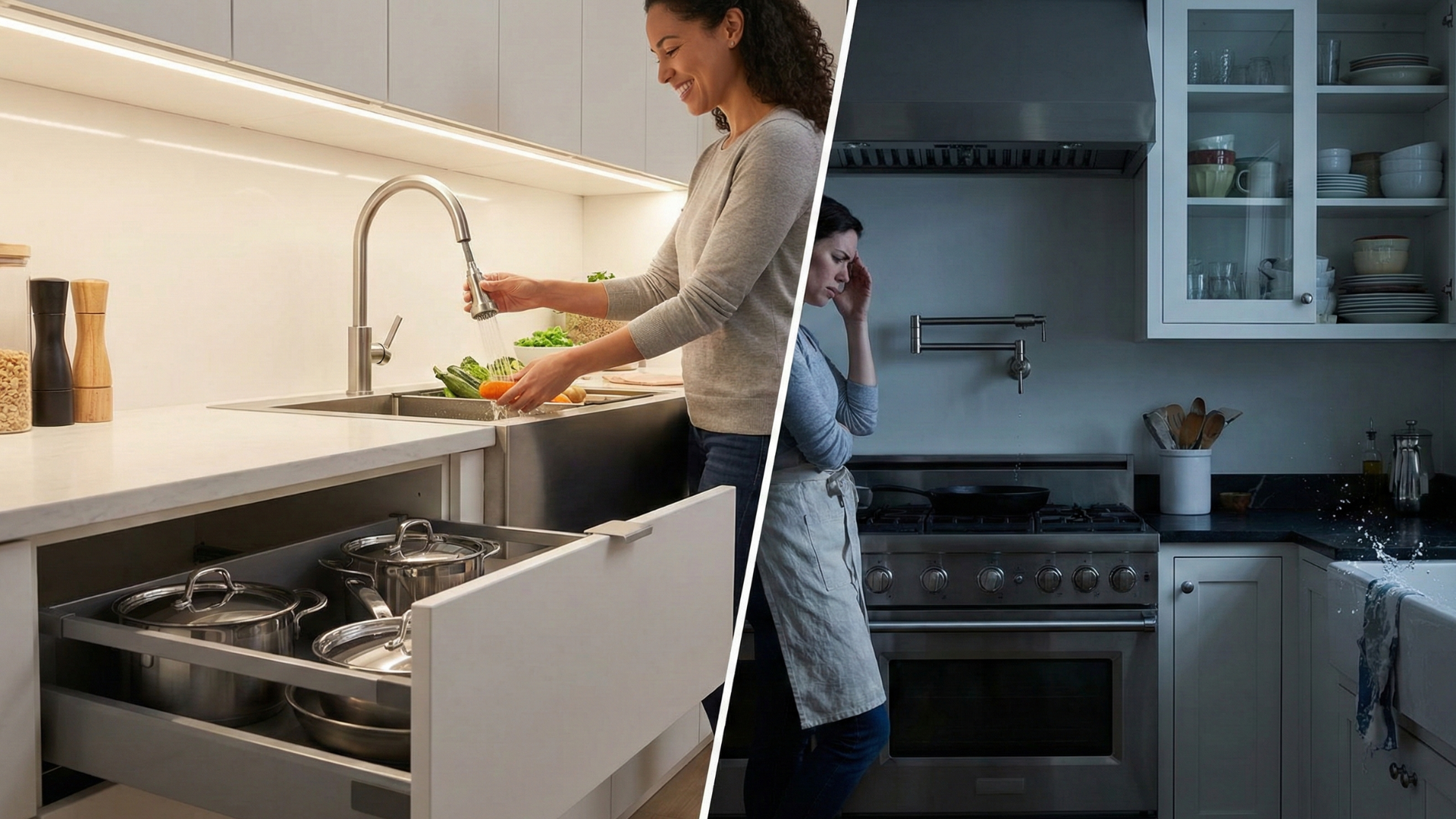
Kitchen renovation advice tends toward either extreme budget constraints or luxury indulgence, leaving most homeowners wondering which improvements actually enhance daily cooking and living versus which ones look impressive but contribute little to function. The gap between marketed kitchen features and genuinely useful upgrades creates confusion when you’re trying to spend money wisely on improvements that will serve you for years. Understanding which kitchen changes deliver real value—through better workflow, reduced frustration, or improved cooking capability—helps you invest in upgrades that matter rather than trendy features that sound appealing but don’t change how your kitchen actually works. The challenge is separating marketing narratives from lived experience. Some upgrades that seem practical turn out frustrating, while others that appear unnecessary prove invaluable once you experience them. The difference often comes down to how you actually use your kitchen rather than how you imagine using it or how magazines suggest you should use it. Upgrades Worth Every Dollar Adequate and Well-Placed Lighting Kitchen lighting ranks among the most impactful upgrades because insufficient or poorly positioned lighting makes every kitchen task more difficult and less safe. Most kitchens rely too heavily on a single overhead fixture that casts shadows exactly where you’re working. Under-cabinet lighting transforms food preparation by illuminating countertops where you actually work. The difference between chopping vegetables in shadow versus in direct light affects both safety and efficiency dramatically. LED strip lights installed under wall cabinets cost relatively little but change how your kitchen functions every single day. Task lighting over the sink makes dishwashing and food prep at the sink far easier. A pendant or recessed light positioned directly over the sink area eliminates the shadows created when your body blocks overhead lighting. Overhead lighting should be layered rather than relying on a single central fixture. Multiple recessed lights, a pendant over the island, or track lighting that can be directed creates even illumination without harsh shadows. Dimmer switches add flexibility by allowing bright light when needed for detailed tasks and softer lighting for casual kitchen use or entertaining. The ability to adjust lighting intensity makes the kitchen more comfortable throughout the day. The lighting upgrade provides value every single time you use your kitchen. Unlike features you use occasionally, lighting affects every meal, every cleanup, every kitchen task. Better Faucet and Sink Configuration The faucet and sink get used constantly, making quality improvements here worthwhile investments that reduce daily frustration and improve kitchen workflow. Pull-down or pull-out faucet sprayers provide flexibility that standard faucets don’t offer. Rinsing large pots, washing vegetables, cleaning the sink itself—all become easier when you can direct water flow exactly where needed. Higher faucet clearance accommodates large pots under the spout without awkward tilting. If you’ve ever struggled to fill a tall stockpot or water pitcher under a low faucet, adequate clearance eliminates that constant annoyance. Quality faucet construction means the faucet continues working smoothly for years without developing drips, loose handles, or spray pattern problems. Cheap faucets fail within a few years while quality faucets last decades. Deeper sinks hold more dishes and large cookware without overflowing onto the counter. An extra two or three inches of depth makes a surprising difference in sink utility. Single-basin versus divided sinks depends on your actual usage. If you regularly need to soak large sheet pans or roasting pans, a single large basin serves you better than a divided sink where nothing fits properly. The sink and faucet upgrade improves kitchen function multiple times daily. These aren’t glamorous improvements, but they affect your kitchen experience constantly. Functional Storage Solutions Basic cabinets with empty space and fixed shelves waste storage capacity and create frustration when you need specific items buried in back corners. Thoughtful storage upgrades make the kitchen far more functional. Pull-out shelves in lower cabinets bring items from the back within reach without crawling on the floor and moving everything else. The ability to pull out the entire shelf transforms how you access pots, pans, and small appliances. Deep drawer dividers for utensils, tools, and gadgets prevent the tangled mess that develops in standard drawers. Organized storage means finding what you need immediately rather than digging through chaos. Pull-out trash and recycling bins hide waste containers while keeping them easily accessible. Built-in waste solutions eliminate floor clutter from freestanding bins while making disposal convenient during cooking. Vertical storage for baking sheets, cutting boards, and trays utilizes cabinet space efficiently instead of stacking these items horizontally where you need to remove six things to reach the one you want. Corner cabinet solutions like lazy Susans or pull-out systems make corner spaces usable rather than letting them become black holes where items disappear forever. Drawer organizers for spices keep bottles visible and accessible rather than crowded on shelves where you can’t see what you have. Being able to find spices quickly improves cooking flow. Storage improvements reduce daily frustration and make cooking more enjoyable by ensuring everything has a logical place where you can find and access it easily. Quality Ventilation Proper range hood ventilation removes smoke, steam, grease, and cooking odors before they permeate your home. Inadequate ventilation means cooking smells linger for hours and grease accumulates on surfaces throughout the kitchen. Adequate CFM (cubic feet per minute) for your cooking style ensures the hood can actually clear the air. Undersized hoods run constantly without effectively removing cooking byproducts. Ducted ventilation to the outside works dramatically better than recirculating hoods with charcoal filters. Truly removing air from the kitchen eliminates odors rather than just filtering and returning them. Proper hood sizing covers the cooktop width completely. A 30-inch hood over a 36-inch cooktop cannot capture all the smoke and steam from the outer burners. Quiet operation at usable fan speeds makes the difference between actually using your hood versus avoiding it because the noise is unbearable. Good hoods provide strong ventilation without sounding like jet engines. The ventilation upgrade pays dividends during any cooking that generates smoke, steam, or strong odors. If you cook regularly,
The Real Cost of Cheap Kitchen Appliances: What Actually Breaks and When

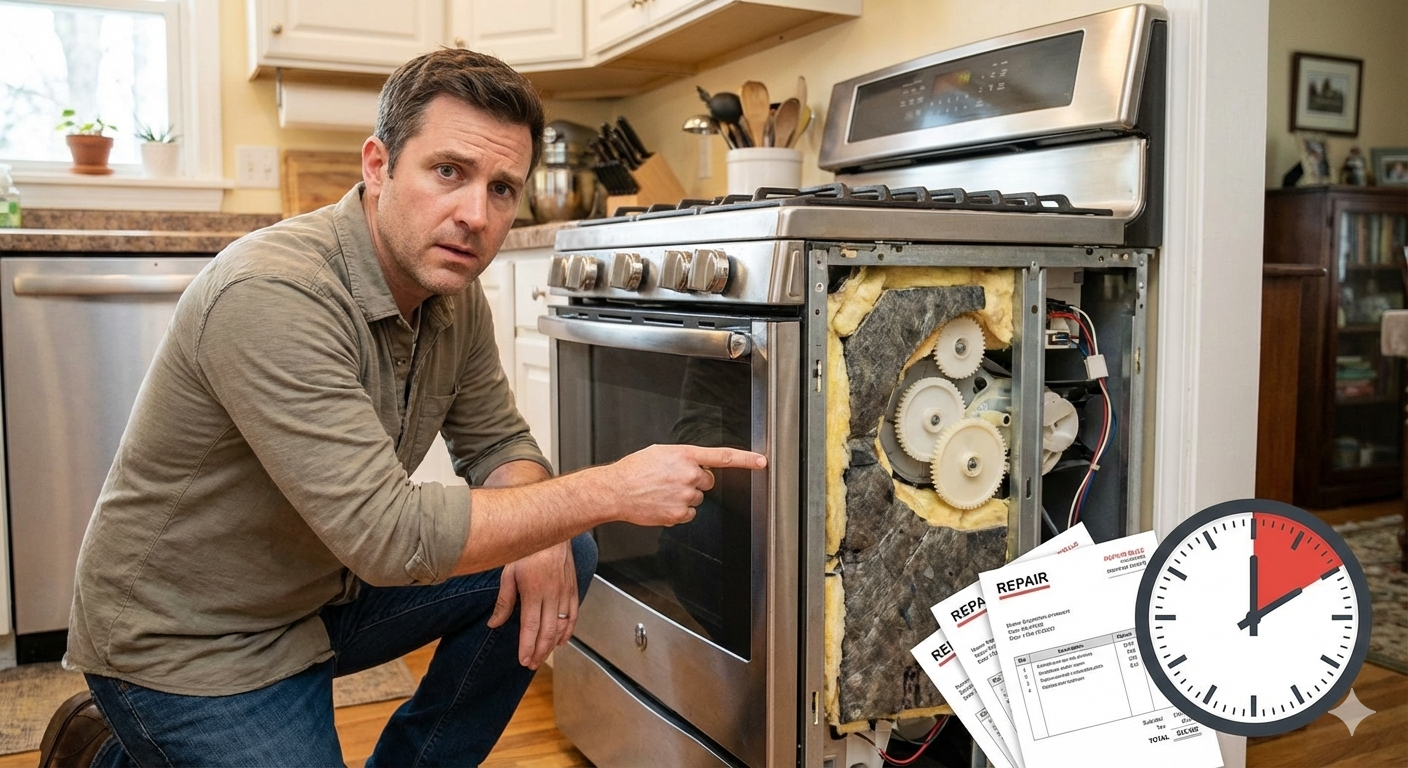
Budget kitchen appliances promise significant savings compared to premium brands, with identical-looking stainless steel finishes and similar feature lists at half the price. The temptation to save thousands across a full kitchen suite is strong, particularly when renovations already strain budgets. However, understanding what differentiates cheap appliances from quality options helps you make informed tradeoffs rather than discovering expensive mistakes after installation. The gap isn’t primarily about features or aesthetics – it’s about component quality, engineering decisions, and longevity that only become apparent through years of use. The appliance industry operates across multiple tiers, from true budget brands sold primarily online to mid-range options available at big box stores to premium brands carried by specialty dealers. Each tier makes different engineering and manufacturing choices that fundamentally affect reliability and lifespan. Knowing where manufacturers cut costs helps you identify which compromises matter for your usage patterns and which represent acceptable tradeoffs for the savings achieved. Where Cost-Cutting Actually Happens Manufacturers reduce prices through specific engineering and materials decisions that aren’t obvious from spec sheets or showroom appearances. Compressor Quality in Refrigerators: The compressor represents a refrigerator’s heart, running constantly to maintain temperatures. Premium brands use compressors designed for 15-20 years of continuous operation with substantial safety margins. Budget brands often specify compressors engineered for 7-10 year lifespans with minimal tolerances. Both work identically when new, but the budget compressor faces higher failure rates as it ages, particularly in hot climates or when installed in tight spaces with poor ventilation. Dishwasher Pump Construction: Quality dishwashers use stainless steel pump housings and impellers that resist corrosion from detergents and hard water. Budget models substitute plastic components that degrade over time, becoming brittle and eventually cracking. The dishwasher works fine for 3-5 years until plastic pump components fail, requiring repairs that often cost nearly as much as the original appliance. Range Burner Materials: Gas range burners in premium models use brass or heavy-gauge stainless steel that maintains precise tolerances through thousands of heating cycles. Budget ranges use thinner materials or aluminum alloys that warp with repeated heating, eventually causing uneven flames or gas leaks. The range cooks identically when new, but performance degrades noticeably after several years of regular use. Oven Insulation Thickness: Quality ranges include 2-3 inches of high-density insulation surrounding oven cavities. This insulation maintains consistent temperatures while keeping exterior surfaces cool. Budget models use 1 inch or less of lower-density insulation, causing heat loss that makes ovens work harder to maintain temperature while making cabinet surfaces warm enough to potentially damage finishes over time. Control Board Components: Modern appliances rely on electronic control boards managing functions previously handled mechanically. Premium brands use commercial-grade capacitors, relays, and circuit boards designed for humid, high-temperature environments. Budget brands use consumer-grade components that fail more frequently in the harsh conditions kitchen appliances face. Control board failures often require complete replacement at costs of several hundred dollars. Wire Gauge and Connections: Internal wiring quality affects reliability significantly but remains completely invisible to buyers. Heavier gauge wire with quality connectors maintains reliable electrical flow through years of thermal cycling. Minimum-spec wire with cheaper connectors develops resistance over time, creating heat that accelerates component failure. This cost-cutting appears nowhere in specifications but dramatically affects lifespan. The Three-Year Cliff Most Buyers Don’t Anticipate Understanding failure patterns helps you plan for appliance lifecycles rather than being surprised by unexpected replacements. Year One Performance: Essentially all appliances work properly during the first year regardless of quality tier. Manufacturing defects appear quickly and typically get covered under warranty. Budget and premium appliances perform identically during this honeymoon period, creating the false impression that they’re equivalent. Years Two Through Four: This period reveals the first meaningful differences. Budget appliance failure rates climb significantly as components designed for minimal lifespans begin wearing out. Seals harden, motors develop bearing noise, electronic controls start glitching. Many of these issues aren’t catastrophic failures but annoying problems that degrade user experience. Years Five Through Seven: Budget appliances face rapidly accelerating failure rates. Major components like compressors, pumps, and heating elements fail frequently. Repairs often cost 40-60% of replacement prices, creating difficult decisions about whether to repair or replace. Premium appliances remain mostly reliable during this period, though they’re beginning to show their age. Year Eight and Beyond: Few budget appliances remain functional past 8-10 years without multiple major repairs. Premium appliances commonly reach 12-15 years before requiring replacement, often longer with proper maintenance. This longevity difference means premium appliances cost less per year of service despite higher purchase prices. When Budget Appliances Make Sense Budget appliances aren’t universally bad choices. Specific situations justify accepting shorter lifespans for immediate savings. Rental Properties: Landlords replacing appliances in rental units face different calculus than homeowners. Tenants may damage appliances regardless of quality, and rapid turnover means appliances might get replaced during unit renovations before they fail naturally. Budget appliances that last 5-7 years serve rental properties adequately while preserving capital for other investments. Temporary Housing: People living somewhere temporarily – college apartments, short-term job assignments, starter homes they plan to sell within a few years – benefit from budget appliances. If you’ll move before the appliance fails, you’ve captured the full value of the lower purchase price without experiencing the shortened lifespan. Very Light Use: Second homes used occasionally, in-law suites occupied part-time, or vacation properties with seasonal use don’t stress appliances the way daily family cooking does. Operating hours matter more than calendar years for appliance longevity. Light use can extend budget appliance lifespans significantly. Constrained Budgets: Sometimes budgets simply don’t accommodate quality appliances across an entire kitchen. In these situations, prioritizing matters. Invest in quality for appliances you use most (typically range and refrigerator) while accepting budget options for less-critical items (like dishwashers if you rarely run them). The Repair Economics That Change Everything Understanding repair costs versus replacement costs helps you make rational decisions when appliances fail rather than emotional choices based on frustration. Service Call Minimums: Appliance repair companies typically charge $100-150 just to diagnose problems,

Kitchen Appliances That Break the Fastest (And Which Ones Actually Last)

Not all kitchen appliances are created equal when it comes to longevity, and understanding which categories tend to fail quickly versus which ones typically last for years helps you make smarter purchasing decisions and budget appropriately. Some appliances consistently last decades with minimal maintenance, while others seem designed to fail just after warranty expiration. The patterns aren’t random – specific design factors, component quality, and usage intensity create predictable reliability differences across appliance categories. The frustration of appliance failure goes beyond simple inconvenience and replacement cost. When appliances break prematurely, you lose time to repairs or shopping for replacements, deal with the hassle of installation, and often face the environmental impact of disposing of items that should have lasted far longer. Understanding reliability patterns across appliance types helps you set realistic expectations, budget for replacements, and make informed choices about which categories deserve investment in quality versus which ones might not justify premium pricing. Dishwashers: The Reliability Wild Card Dishwashers occupy a middle ground in appliance reliability, with lifespans varying dramatically based on quality, brand, and usage patterns that make them surprisingly unpredictable. Average lifespan expectations for dishwashers typically range from 7-12 years, though many fail earlier while some last significantly longer. This wide variation reflects real differences in build quality across price points and brands. Common failure points include door latches and seals that wear from repeated use, spray arms that clog or break, circulation pumps that fail, and control boards that malfunction. These components experience constant stress during operation, making them vulnerable to premature failure. Hard water accelerates dishwasher problems dramatically by creating mineral buildup that clogs spray arms, damages pumps, and reduces cleaning effectiveness. Homes with hard water see significantly shorter dishwasher lifespans unless they use water softeners or maintenance routines. Budget models typically fail faster than mid-range or premium options because of lower-quality pumps, cheaper door mechanisms, and less robust construction that doesn’t withstand daily use as well. The initial savings often disappear when you need replacement years earlier. Heavy use reduces lifespan more than occasional use. Families running dishwashers daily put far more stress on components than couples using them a few times weekly, creating reliability differences based on household size and cooking frequency. Maintenance significantly affects longevity. Regular filter cleaning, occasional spray arm inspection, and using appropriate detergents extend life, while neglecting maintenance accelerates failure. Refrigerators: Built-In Complexity Creates Problems Modern refrigerators pack increasingly complex features into appliances that run continuously, creating more potential failure points than simpler predecessors that often lasted 20+ years. Average lifespan has decreased as refrigerators gained features. Where basic models from decades past frequently hit 20-25 years, modern refrigerators typically last 10-15 years, with some premium models failing even earlier despite high prices. Ice makers and water dispensers represent the most common failure points in modern refrigerators. These features add mechanical complexity and water system components that frequently malfunction, sometimes multiple times during the refrigerator’s life. Compressor failure ends many refrigerators’ lives since replacement costs approach new appliance prices for all but the most expensive models. Compressors that once reliably ran for decades now sometimes fail within 5-10 years. French door and side-by-side models tend to have more problems than simple top-freezer refrigerators because of additional door mechanisms, more complex ice systems, and greater mechanical complexity overall. Smart features and electronic controls create new failure modes that didn’t exist in mechanically controlled refrigerators. Control boards, touchscreens, and connectivity features add cost and complexity while sometimes reducing rather than improving reliability. Budget refrigerators often use lower-quality compressors and cheaper components that result in shorter lifespans. The initial savings might not justify the earlier replacement and greater repair frequency. Ranges and Ovens: Generally Reliable Workhorses Ranges and ovens, particularly gas models, represent some of the most reliable kitchen appliances when you choose quality construction and avoid unnecessary complexity. Gas ranges consistently outlast electric ranges on average, often hitting 15-20 years with proper care. The simpler mechanical components and lack of complex electrical systems create fewer failure points. Electric ranges typically last 13-17 years, with failures often involving heating elements, control boards, or oven sensors. These electrical components eventually fail but generally provide years of reliable service first. Failure points in ranges include burner ignitors on gas models, heating elements on electric models, oven sensors, control panels, and door mechanisms. Most of these repairs are relatively affordable compared to replacing the entire appliance. Simple mechanical controls last longer than complex digital interfaces in ranges. Basic knobs and switches rarely fail, while touchscreens and elaborate control systems create additional failure modes. Self-cleaning features stress ovens through extreme temperatures that can damage components or warp oven cavities over time. Ranges without self-cleaning or those where the feature is rarely used often last longer. Quality indicators include heavy-gauge metal construction, sealed burners on gas ranges, solid door hinges, and substantial control knobs. These details suggest durability that justifies higher initial costs. Range Hoods: Simple Design Supports Longevity Range hoods represent one of the most reliable appliance categories because of their relatively simple mechanical design with few components that can fail. Average lifespan of 15-20 years is common for quality range hoods that receive basic maintenance. The simple fan and light mechanisms rarely fail when manufactured properly. Motor quality determines much of a range hood’s longevity. Quality motors run quietly and reliably for years, while cheap motors become noisy, vibrate excessively, and fail prematurely. Control switches occasionally fail but repair costs are minimal. Basic mechanical switches last longer than complex touch controls, though both generally provide years of service. Lighting components need replacement occasionally but this represents routine maintenance rather than system failure. LED lights last dramatically longer than older incandescent or halogen bulbs. Filter maintenance affects longevity indirectly by preventing grease buildup that can stress motors and create fire hazards. Regular cleaning extends range hood life while improving performance. Ductwork problems sometimes get blamed on range hoods when inadequate ducting reduces airflow and forces motors to work harder. Proper installation with appropriate ducting protects

What Professional Chefs Actually Have in Their Home Kitchens: The Surprising Truth

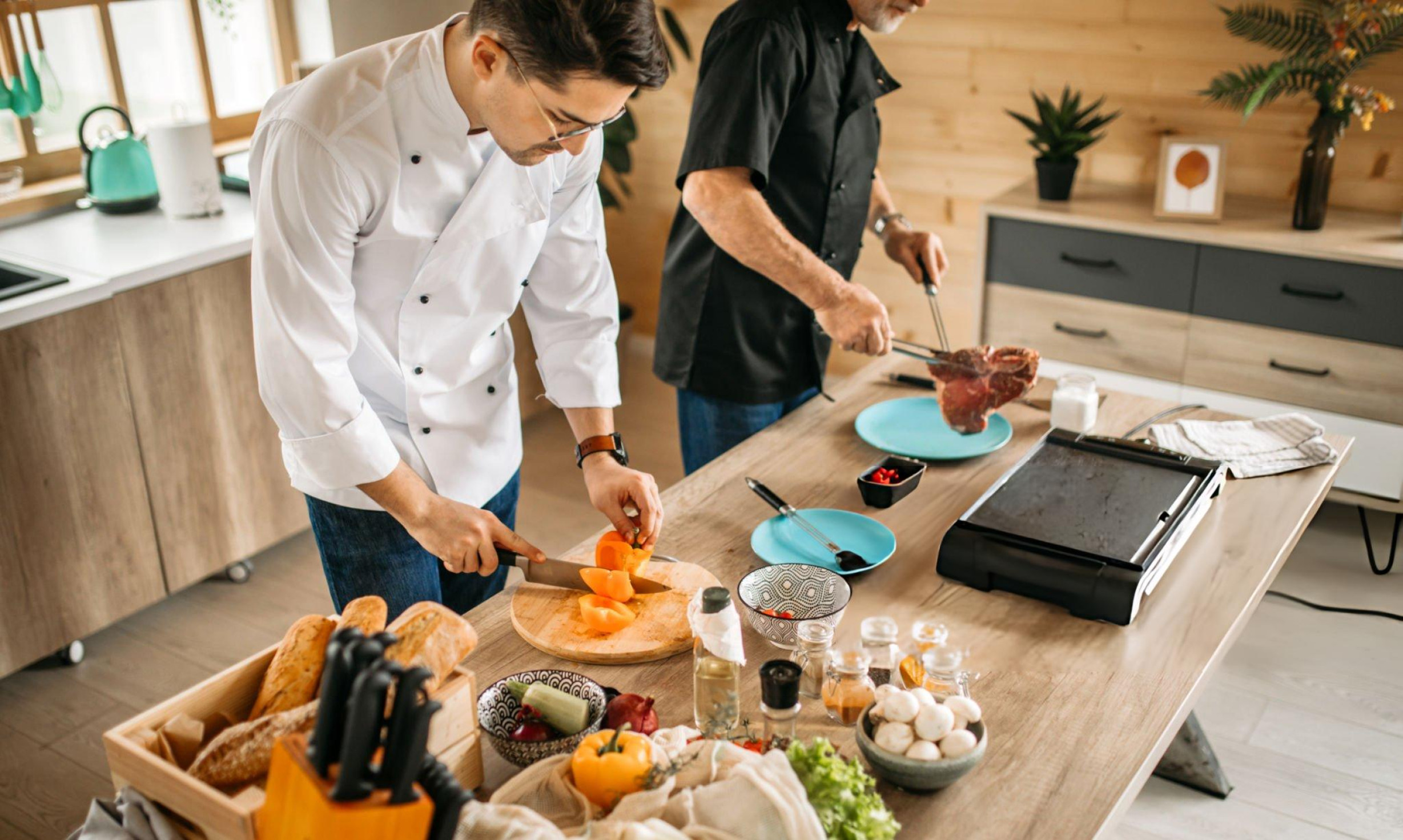
You might expect professional chefs to have elaborate home kitchens filled with commercial equipment, exotic gadgets, and every high-end appliance on the market. The reality is surprisingly different. Most chefs who spend 10-14 hours a day in restaurant kitchens want something completely different when they come home. Their home kitchens reveal what really matters for cooking great food versus what’s just marketing hype and unnecessary complexity. Understanding what chefs actually choose for their personal spaces provides valuable insights for anyone planning a kitchen renovation or wondering which upgrades truly matter. The gap between what chefs use professionally and what they keep at home tells you everything you need to know about what’s essential versus what’s just nice to have. The Equipment They Actually Skip Commercial ranges rarely make it into chefs’ home kitchens despite their professional familiarity with high-BTU cooking power. After working with powerful commercial equipment all day, most chefs appreciate residential ranges that heat up their homes less, cost less to operate, and require less maintenance. The extreme heat output that matters during restaurant rush periods provides little benefit when cooking dinner for four. Expensive knife sets stay at the restaurant while chefs bring home just a few essential blades. Despite working with extensive knife collections professionally, most chefs’ home knife blocks contain three to five knives they actually use regularly. The fancy 15-piece sets marketed to home cooks gather dust in chef’s homes just like they do in everyone else’s. Specialized gadgets and single-purpose tools that clutter home kitchens rarely appear in chefs’ personal spaces. They know from professional experience that versatile, well-made basics accomplish more than drawers full of specialized equipment. The garlic press, avocado slicer, and herb scissors that fill home kitchen drawers are notably absent from spaces belonging to people who actually cook for a living. Sous vide machines and molecular gastronomy equipment mostly stay at work. While chefs may use these techniques professionally, most prefer simpler cooking methods at home where speed, simplicity, and relaxation matter more than precision and technique. Stand mixers collect dust in many chef’s homes despite being considered essential by home bakers. Chefs who bake desserts professionally all day rarely want to bake at home, making expensive stand mixers poor investments for their personal kitchens. What They Absolutely Insist On Quality knives represent the one area where chefs spend serious money at home. Not full knife sets, but three or four exceptional knives that they maintain religiously. A great chef’s knife, a paring knife, a serrated bread knife, and maybe a boning knife handle virtually everything they cook at home. Good cutting boards in multiple sizes get more use than any other kitchen tool. Chefs know that proper cutting boards protect knife edges while providing stable, safe work surfaces. They typically keep several boards in different sizes for different tasks, replacing them regularly as they wear. Heavy-bottomed pots and pans matter far more than brand names or complete sets. Chefs invest in a few excellent pieces – usually a large sauté pan, a stockpot, and a couple of saucepans – rather than matching sets full of sizes they’ll never use. Cast iron, stainless steel, and sometimes carbon steel dominate their cookware collections. Proper ventilation ranks high on chefs’ priority lists after breathing restaurant kitchen air all day. They understand the importance of removing cooking smoke, steam, and odors effectively. A quality range hood that actually works matters more to them than granite countertops or fancy backsplashes. Comfortable flooring makes the list because chefs know from painful experience what standing for hours on hard surfaces does to feet, knees, and backs. Cork, cushioned vinyl, or even anti-fatigue mats appear in chefs’ home kitchens far more often than the tile or stone that designers push. The Surprising Simplicity Basic home appliances suffice for most chefs who want reliability over performance specs. Standard residential refrigerators, dishwashers, and ranges work fine for cooking family meals. The sub-zero refrigerators and high-end ranges that look impressive often stay at showrooms rather than coming home with people who know you don’t need them. Simple cooking techniques dominate at home even for people who execute complex dishes professionally. After spending all day on elaborate preparations and presentations, chefs often make pasta, roast chicken, or simple grilled proteins at home. The complexity they bring to work stays there. Takeout appears regularly in chefs’ lives despite their cooking skills. Being too tired to cook after a long restaurant shift is perfectly normal. Many chefs joke about living on cereal and takeout between shifts, saving home cooking for their days off. Minimal prep work happens in chef’s home kitchens compared to restaurants. Professional cooking involves extensive prep before service begins. At home, chefs embrace the convenience of pre-washed lettuce, rotisserie chicken, and other shortcuts that save time and energy. What They Prioritize Instead Good ingredients matter far more than equipment or techniques. Chefs would rather cook simple food with excellent ingredients than complex dishes with mediocre components. Their home cooking focuses on sourcing quality produce, meat, and pantry staples rather than acquiring expensive tools. Proper storage and organization receives more attention than fancy appliances. Chefs understand that well-organized kitchens function better regardless of equipment quality. Clear storage containers, logical pantry organization, and systematic placement of tools make cooking easier than any gadget could. Sharp knives and good maintenance habits trump expensive knife collections. Chefs keep their home knives sharp through regular honing and periodic professional sharpening. A sharp, well-maintained cheap knife outperforms an expensive dull one every time. Adequate counter space wins over additional appliances in chefs’ priority lists. They know from professional experience that having room to work matters more than having every possible tool. Clean, clear workspace beats cluttered counters full of appliances. Natural light and windows rate surprisingly high in chefs’ kitchen preferences. After working in windowless restaurant kitchens, having natural light and views while cooking at home becomes a real luxury that affects cooking enjoyment. The Reality of Chefs’ Cooking Habits at Home Quick, simple

Kitchen Appliances That Break the Fastest (and Which Ones Actually Last)

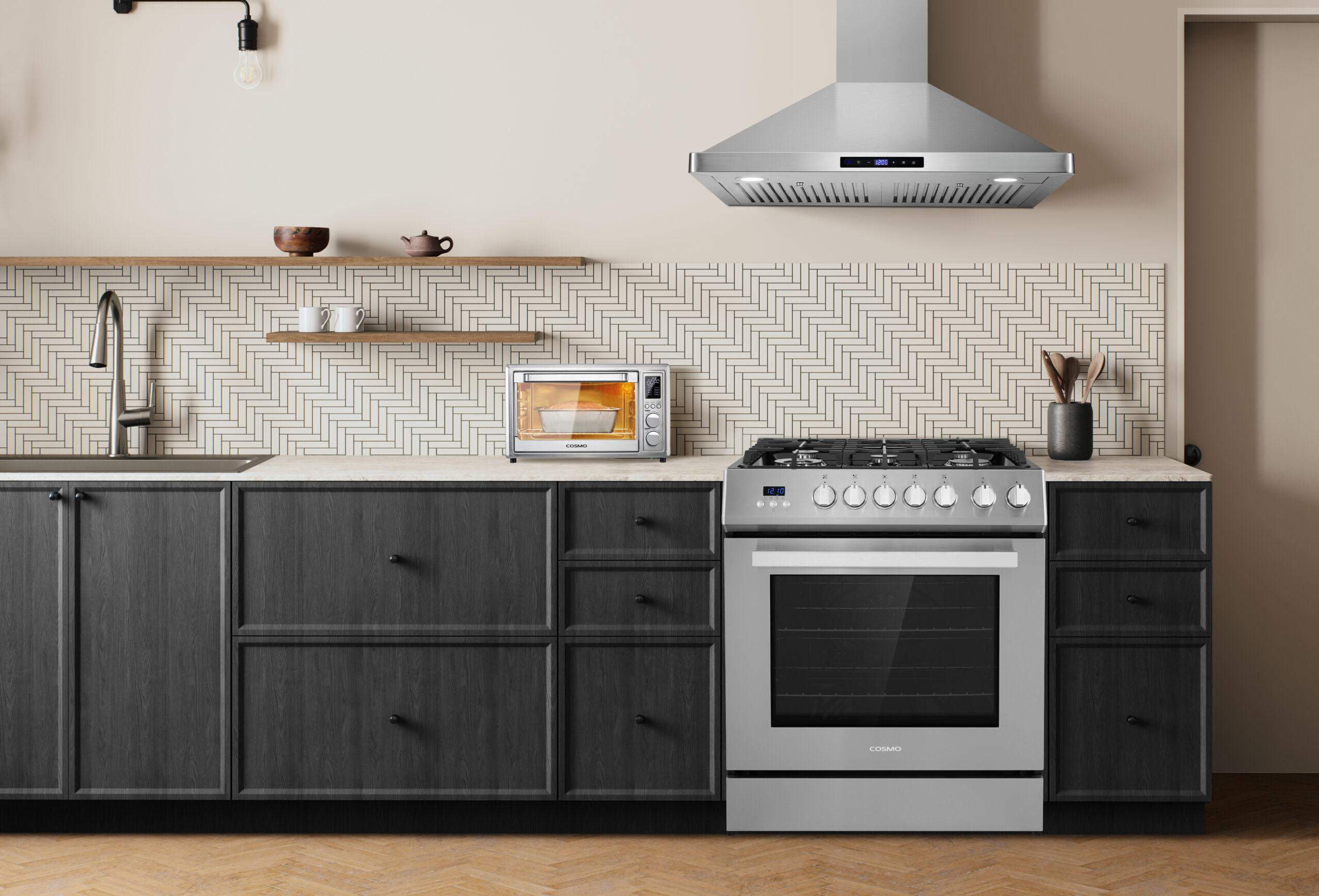
Nobody wants to replace expensive kitchen appliances every few years, but some appliances seem designed to fail right after the warranty expires. Understanding which appliances typically have shorter lifespans and why helps you make smarter purchasing decisions while avoiding models that are likely to leave you frustrated and out of money. Even more important is knowing which appliances actually deliver on their promise of long-term reliability. The truth about appliance longevity often contradicts what manufacturers want you to believe. Price doesn’t always predict durability, popular brands sometimes produce unreliable models, and the most feature-packed options frequently fail faster than simpler alternatives. Learning to identify truly durable appliances saves money and frustration over time. Why Modern Appliances Break Faster Than Old Ones Older appliances were built with mechanical controls, simple circuits, and repairable parts that often lasted decades. Your grandmother’s refrigerator might still be running in someone’s garage 40 years later, while modern refrigerators frequently fail within 5-10 years. Electronic controls have replaced mechanical systems in most appliances, introducing failure points that didn’t exist in older models. Circuit boards, touch panels, and digital displays can fail from power surges, moisture, or simply wearing out faster than mechanical alternatives. Planned obsolescence influences some manufacturers who design products to fail after a certain period, encouraging replacement rather than repair. Using lower-quality components, making repairs difficult or impossible, and discontinuing parts support all contribute to shorter appliance lifespans. Increased complexity in modern appliances means more components that can fail. Features like ice makers, water dispensers, smart connectivity, and multiple cooking modes add convenience but also create additional failure points that simpler appliances avoid. Cost-cutting by manufacturers has reduced build quality across many brands as they compete on price rather than durability. Thinner metal, plastic components replacing metal ones, and cheaper motors all save production costs while reducing appliance longevity. The Appliances That Fail Fastest Dishwashers (Average Lifespan: 6-10 years) Dishwashers consistently rank among the shortest-lived major appliances. The combination of water, heat, and detergents creates a harsh environment that degrades components quickly. Door latches, spray arms, pumps, and electronic controls all commonly fail. The biggest issues include pump failures that prevent draining, heating element burnouts that leave dishes wet, and door seal leaks that damage flooring. Control boards in modern dishwashers fail frequently from moisture exposure despite being in an appliance designed to handle water. Cost to repair often approaches the price of replacement, leading most people to buy new dishwashers rather than fixing failed ones. This disposable nature has become accepted even though it’s wasteful and expensive. Microwave Ovens (Average Lifespan: 5-8 years) Microwaves fail faster than most people expect considering how simple they seem. The magnetron that generates microwaves typically fails first, but door switches, control panels, and turntable motors also commonly break. Over-the-range microwaves fail faster than countertop models because they also function as range hood ventilation, exposing them to grease and moisture that accelerates failure. The combination of functions stresses components that would last longer in countertop units. Built-in microwaves present special problems when they fail since replacement requires finding units that fit existing cabinet cutouts. This often forces you to either modify cabinets or search for discontinued models that match original dimensions. Garbage Disposals (Average Lifespan: 5-10 years) Garbage disposals face brutal operating conditions that destroy even quality units relatively quickly. Constant exposure to water, food acids, and hard objects wears out seals, corrodes metal components, and damages grinding mechanisms. Motor burnout happens when disposals jam from hard items or fibrous materials that wrap around blades. Once motors fail, replacement usually costs less than repair, especially for budget models. Leaks develop as seals wear out from age and exposure to water and food particles. These leaks can damage cabinets and flooring before being noticed, adding to the total cost of disposal failure. Ice Makers (Average Lifespan: 3-6 years) Built-in ice makers in refrigerators fail with frustrating frequency, often while the refrigerator itself continues working fine. Water valves, mechanical arms, and sensors all commonly malfunction, leaving you with no ice or constant jams. The complexity of ice makers means more parts that can break. Water supply lines can leak, freeze, or develop mineral buildup that restricts flow. Mechanical arms break or get stuck. Sensors fail and either stop ice production entirely or cause constant cycling. Freezer temperature fluctuations caused by ice maker cycling can affect food storage quality. When ice makers malfunction, they often cause temperature problems that impact the entire freezer compartment. Mid-Range Lifespan Appliances Refrigerators (Average Lifespan: 10-15 years) Modern refrigerators last considerably less than older models but still provide decent service life if you’re lucky. The compressor usually outlasts other components, with door seals, ice makers, and electronic controls failing first. French door refrigerators fail faster than top-freezer models due to increased complexity. Multiple doors mean more seals that can fail, and the bottom freezer drawer mechanism adds failure points that simpler designs avoid. Smart refrigerators with screens and connectivity features often experience electronic failures while the refrigeration system continues working. These failures can render features useless even though the unit still cools food. Electric and Gas Ranges (Average Lifespan: 13-15 years) Ranges typically outlast many other appliances, with gas ranges generally lasting longer than electric models. The simplicity of gas burners compared to electric elements contributes to their longevity. Electric cooktop elements burn out periodically but are usually easy and inexpensive to replace. Control knobs wear out from frequent use but can be replaced without professional help. Self-cleaning oven features stress components through extreme heat cycles. Ovens used for self-cleaning fail faster than those cleaned manually, particularly the door lock mechanisms and heating elements. The COS-EPGR304 gas range exemplifies quality construction with sealed gas burners and convection oven technology built to last. With 304-grade stainless steel construction and durable cast iron grates, this range is designed for years of reliable service even with frequent use. Wall Ovens (Average Lifespan: 10-15 years) Wall ovens last reasonably well compared to other appliances, with convection fans and electronic

The Appliances That Actually Pay for Themselves: A Smart Investment Guide

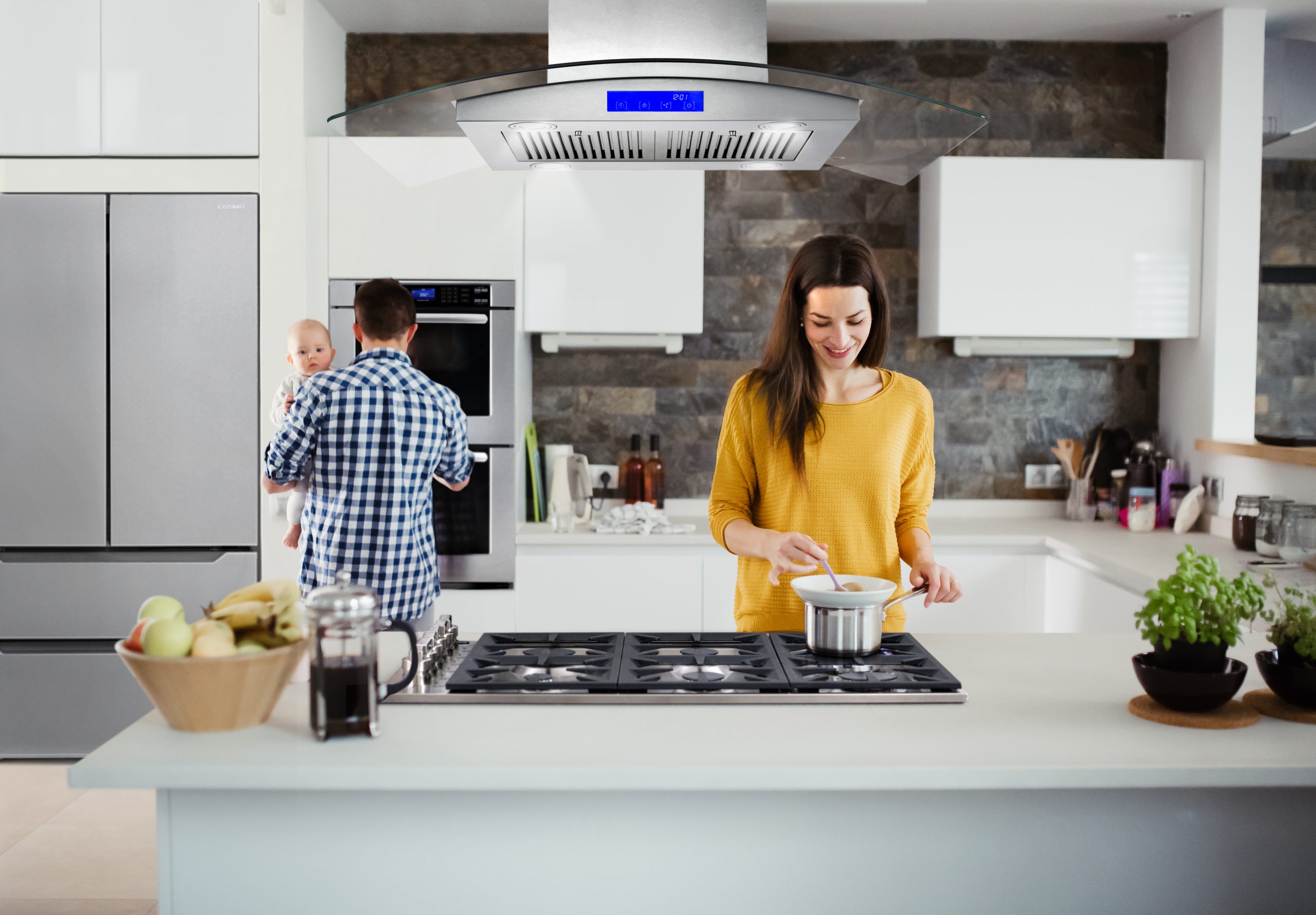
Most kitchen appliances cost money. Some cost a lot of money. But a few special appliances actually save you more than they cost over time, turning what seems like an expense into an investment that pays real dividends. Understanding which appliances fall into this category helps you make smarter purchasing decisions that benefit both your cooking experience and your bank account. The key to identifying these money-saving appliances is calculating their total cost of ownership rather than just the purchase price. When you factor in energy savings, reduced waste, avoided costs, and improved efficiency, certain appliances deliver returns that justify and eventually exceed their initial investment. Energy Star Refrigerators: The Obvious Winner Refrigerators run 24 hours a day, 365 days a year, making energy efficiency incredibly important. An ENERGY STAR certified refrigerator uses about 15% less energy than non-certified models, translating to real savings on every electric bill. The Cosmo COS-FDR225RHSS French door refrigerator carries the ENERGY STAR rating and demonstrates how modern refrigerators pay for themselves. With 22.5 cubic feet of capacity and energy-efficient LED lighting throughout, this model reduces electricity consumption while providing ample storage space. Calculate the savings by comparing your current refrigerator’s energy use to a new efficient model. If your old refrigerator uses 800 kWh annually and a new ENERGY STAR model uses 450 kWh, you save 350 kWh per year. At average electricity rates of $0.13 per kWh, that’s $45.50 saved annually. Over the refrigerator’s 15-year lifespan, you save $682.50 in electricity costs alone. Beyond energy savings, modern refrigerators like the COS-FDR225RHSS include features that reduce food waste. Better temperature control keeps food fresh longer, adjustable storage accommodates various container sizes to prevent items from being forgotten, and door alarms prevent accidental temperature rises that spoil food. The built-in ice maker eliminates the need to buy bags of ice, saving another $100-200 annually for families who use ice regularly. The soft-close door mechanism prevents incomplete closure that wastes energy, while the fingerprint-resistant finish reduces cleaning product costs over time. Convection Ovens: Faster Cooking, Lower Bills Convection ovens cook food 25-30% faster than conventional ovens while often allowing temperature reductions of 25°F. This efficiency translates directly into lower energy costs and reduced cooking time that has real value. The Cosmo COS-30ESWC single wall oven features Turbo True European Convection with 5.0 cubic feet of capacity and seven cooking functions. The convection system pays for itself through multiple mechanisms that conventional ovens cannot match. Energy savings come from reduced cooking times and lower temperature requirements. If you use your oven for 5 hours weekly, convection cooking could save 1-1.5 hours of oven operation time per week. At typical electric oven operating costs of $0.30-0.40 per hour, that’s $15-30 saved annually just in reduced cooking time. The faster cooking also has hidden value in reduced kitchen heating during summer months. Shorter oven run times mean less heat added to your home, reducing air conditioning costs during warm weather. This secondary benefit can add another $20-40 to annual savings in hot climates. Better cooking results reduce food waste from burnt or undercooked items. The even heat distribution of the COS-30ESWC’s convection system means fewer ruined dishes and more consistent results that don’t require discarding failed attempts. For serious home cooks or larger families, the Cosmo COS-30EDWC double wall oven doubles these benefits. Two independent 5.0 cubic foot ovens with convection allow you to cook multiple dishes simultaneously at different temperatures, eliminating sequential cooking that wastes time and energy. Range Hoods with Permanent Filters: Stop Buying Replacements Most range hoods use disposable filters that require replacement every 3-6 months at $20-40 per filter. Over a hood’s 15-year lifespan, you spend $600-1,200 just on filter replacements. Range hoods with permanent stainless steel filters eliminate this recurring cost entirely. The Cosmo COS-668ICS900 island range hood features ARC-FLOW permanent stainless steel filters that are dishwasher-safe and have unlimited uses. These filters effectively capture grease and cooking odors while eliminating ongoing replacement costs. Calculate the savings: If disposable filters cost $30 and require replacement three times yearly, you spend $90 annually on filters. Over 15 years, that’s $1,350 in filter costs that permanent filters eliminate completely. The island hood’s initial higher cost pays back through eliminated filter expenses within a few years. The four LED lights in the COS-668ICS900 add another layer of savings. LED bulbs last 25,000-50,000 hours compared to 1,000-2,000 hours for incandescent bulbs. With typical range hood light usage, LEDs last 10-20 years without replacement, saving $100-200 in bulb costs while using 75% less electricity. For under-cabinet installations, the Cosmo COS-KS6U series offers the same permanent filter advantages in a space-saving design. The soft touch controls and multiple fan speeds allow you to use only the ventilation power actually needed, reducing electricity consumption while maintaining effective air quality. LED Lighting Throughout: Small Investment, Big Returns LED lights use 75-80% less energy than incandescent bulbs while lasting 25-50 times longer. Replacing kitchen lighting with LEDs creates one of the fastest paybacks of any home improvement. Range hoods with LED lighting like the Cosmo COS-63ISS90 eliminate both energy costs and replacement expenses for task lighting. The four LED lights provide comprehensive illumination for cooking while using minimal electricity. Over the hood’s lifespan, LED efficiency saves $150-250 in electricity costs compared to incandescent lighting. The savings extend beyond the hood itself. When your range hood provides adequate task lighting, you can use lower-wattage ambient lighting in the kitchen, compounding the energy savings. This layered lighting approach improves both function and efficiency. LED lights also generate significantly less heat than incandescent bulbs, reducing the load on your range hood’s ventilation system and air conditioning during summer. This secondary effect adds measurable savings in warm climates or for frequent cooks. Auto Re-Ignition Gas Burners: Safety and Efficiency Gas burners with auto re-ignition technology prevent gas waste and improve safety by automatically relighting flames that are accidentally extinguished. This feature saves money while providing peace of mind that traditional burners cannot match. The Cosmo COS-GRP366

Understanding Kitchen Appliance Energy Ratings: What They Really Mean for Your Bills

Kitchen appliances account for a significant portion of household energy consumption, with refrigerators, ovens, dishwashers, and other devices running constantly or frequently throughout the day. Understanding energy ratings and what they actually mean for your utility bills can help you make smarter purchasing decisions that save money over the appliance’s lifetime while reducing your environmental impact. The difference between an efficient and inefficient appliance can add up to hundreds of dollars over several years. Energy ratings aren’t just marketing buzzwords – they’re standardized measurements that provide genuine insight into how much electricity or gas an appliance will consume during normal use. Learning to interpret these ratings, understand what affects energy consumption, and calculate real-world costs empowers you to choose appliances that balance upfront price with long-term operating expenses. Decoding ENERGY STAR Certification The ENERGY STAR label represents the most recognizable energy efficiency certification in North America, but understanding what it actually guarantees helps you appreciate its value beyond just being a marketing symbol. ENERGY STAR certified appliances meet strict energy efficiency guidelines set by the U.S. Environmental Protection Agency and the Department of Energy. These standards are regularly updated to reflect technological improvements and ensure that certified products represent significant efficiency advantages over standard models. Efficiency thresholds vary by appliance type, with each category having specific performance requirements. A refrigerator must be at least 15% more efficient than the minimum federal standard, while dishwashers must meet specific water and energy consumption limits per load. Third-party verification ensures that ENERGY STAR claims are legitimate rather than manufacturer self-assessments. Independent testing laboratories verify performance before products can display the certification, providing consumer confidence in the ratings. Annual energy cost estimates on ENERGY STAR labels help you understand real-world operating expenses rather than just technical efficiency percentages. These estimates are based on typical usage patterns and national average energy rates. Comparative context shows how specific models compare to similar appliances, helping you understand whether you’re looking at a minimally compliant or exceptionally efficient option within the certified category. Environmental impact information sometimes accompanies ENERGY STAR ratings, showing greenhouse gas emission reductions and environmental benefits alongside financial savings to appeal to environmentally conscious consumers. Understanding EnergyGuide Labels The yellow and black EnergyGuide labels required on many appliances provide standardized information that allows direct comparison between models, but knowing how to read these labels correctly ensures you’re making informed decisions. Estimated yearly operating cost appears prominently on these labels, calculated using national average energy rates. This figure provides a baseline for comparison, though your actual costs will vary based on local utility rates and usage patterns. Energy consumption measurements show kilowatt-hours per year for electric appliances or therms per year for gas appliances. These technical measurements allow you to calculate precise operating costs using your specific utility rates. Cost range comparisons display where the specific model falls on a scale from most efficient to least efficient among similar models. This visual representation quickly shows whether you’re considering a high, medium, or low-efficiency option. Model-specific information includes capacity, features, and other factors that affect energy consumption, helping you understand why certain models use more or less energy than comparable appliances. Calculation methodology details explain the testing conditions and usage assumptions underlying the estimates, though these are often in small print. Understanding these assumptions helps you adjust estimates for your actual usage patterns. Federal minimum standards are referenced on the labels, showing the least efficient model allowed by law. This context helps you understand how much better than minimum your potential purchase performs. Calculating Real-World Energy Costs Label estimates provide useful baselines, but calculating actual costs based on your specific situation and usage patterns gives you more accurate long-term expense projections for better decision-making. Local utility rates significantly affect operating costs, potentially making estimates on labels substantially inaccurate for your situation. Check your utility bills to find your actual cost per kilowatt-hour or therm, which can vary from $0.08 to $0.30 per kWh depending on location. Usage patterns influence actual consumption, with heavy users spending significantly more than label estimates while light users may spend less. Consider your family’s actual cooking frequency, dishwasher loads per week, and other usage factors. Seasonal variations affect costs for appliances like refrigerators that work harder in hot weather or ovens that contribute to cooling costs in summer but reduce heating costs in winter. These factors can significantly impact annual expenses. Time-of-use rates in some areas charge different prices for electricity used during peak versus off-peak hours. If your utility uses this pricing structure, running appliances during off-peak times can substantially reduce costs. Calculation formulas for precise cost estimation multiply the appliance’s kWh or therm rating by your local utility rate and estimated annual usage. For example, an appliance using 500 kWh annually with rates of $0.12 per kWh costs $60 yearly to operate. Comparison across models helps quantify savings from choosing more efficient options. If Model A costs $60 annually while Model B costs $90, the $30 annual savings over a 15-year lifespan totals $450 in operating cost differences. Major Kitchen Appliance Energy Consumption Different kitchen appliances vary dramatically in their energy consumption and potential savings from efficiency improvements, helping you prioritize which appliances deserve closest attention when considering efficiency. Refrigerators and freezers run continuously, making them typically the highest energy consumers in kitchens. Modern ENERGY STAR refrigerators use about 300-600 kWh annually compared to 1000-1500 kWh for older models, creating substantial savings potential. Dishwashers consume both electricity for operation and energy to heat water, with modern efficient models using 270-300 kWh annually versus 500+ kWh for older models. Water heating represents the majority of dishwasher energy use. Electric ranges and ovens vary widely in consumption based on cooking frequency and methods. Convection ovens typically use 20-30% less energy than conventional ovens for the same cooking tasks due to faster, more even heating. Gas ranges offer different efficiency considerations, with energy costs depending on natural gas or propane prices in your area. Gas cooking is often more economical than electric,

How to Choose the Right Kitchen Appliances for Your Cooking Style: Match Your Tools to Your Needs

Choosing kitchen appliances can feel overwhelming with countless options, features, and price points competing for your attention. The secret to making smart appliance decisions lies in honestly assessing your actual cooking habits rather than aspirational ones. A baker needs different appliances than someone who primarily grills, while a busy family requires different features than a couple who loves elaborate weekend cooking projects. Understanding your cooking style helps you avoid expensive mistakes like investing in high-end appliances you rarely use or choosing budget options that can’t handle your actual cooking demands. The right appliances make cooking more enjoyable and efficient, while wrong choices lead to frustration and wasted money. This guide helps you identify your cooking style and select appliances that truly serve your needs. Identifying Your Cooking Style Before shopping for appliances, spend time honestly evaluating how you actually use your kitchen rather than how you wish you used it. Understanding your real cooking patterns prevents expensive mistakes while ensuring your appliances serve your actual needs. Frequency matters significantly when choosing appliances. Daily cooks need durable, high-performance appliances that can handle constant use, while occasional cooks might prioritize different features or invest less in equipment they use infrequently. Cooking methods you prefer influence appliance priorities dramatically. Someone who loves baking needs different oven capabilities than someone who primarily uses stovetop cooking. Consider which cooking techniques you use most often and which you rarely attempt. Family size affects appliance capacity requirements and features you’ll value most. Large families need bigger refrigerators, more burners, and larger oven capacity, while smaller households can choose more compact options that fit their space and needs better. Entertaining frequency changes appliance requirements substantially. If you regularly host dinner parties or holiday gatherings, you’ll value features like double ovens, warming drawers, and extra burner capacity that occasional entertainers might not need. Time constraints influence which convenience features provide genuine value versus unnecessary complexity. Busy families might prioritize features like rapid preheat or self-cleaning functions, while those with more flexible schedules might not need these premium features. Dietary preferences and restrictions affect appliance priorities. Health-conscious cooks might value steam oven capabilities or air fry functions, while those following specific diets might need specialized equipment for their cooking requirements. For the Daily Home Cook Daily home cooks who prepare most meals from scratch need reliable, efficient appliances that can handle constant use without excessive complexity. These cooks value durability and practical features over bells and whistles. Reliable ranges with good temperature control become essential when you cook multiple meals daily. Gas ranges offer instant heat control that many daily cooks prefer, while electric ranges provide consistent oven temperatures excellent for regular baking. Multiple burners with varied BTU outputs accommodate simultaneous cooking of different dishes. Four or five burners with at least one high-output option for rapid boiling and one low-output burner for gentle simmering serve daily cooking needs well. Self-cleaning ovens save time and effort when you use your oven frequently. The convenience of self-cleaning becomes more valuable the more often you cook, as buildup occurs faster with regular use. Adequate refrigerator capacity with good organization features helps manage regular grocery shopping and meal planning. French door models provide easy access to fresh foods you use daily while keeping frozen items organized below. Efficient dishwashers with multiple rack configurations handle the steady stream of dishes that daily cooking produces. Look for models with adequate capacity and flexible loading options that accommodate various dish types and sizes. Quality range hoods with good ventilation capacity maintain air quality when cooking produces regular smoke, steam, and odors. Adequate CFM ratings and quiet operation become important for daily use that might occur during family activities. For the Passionate Baker Serious bakers need different appliances than general cooks, with priorities focused on precise temperature control, adequate capacity, and features that support various baking techniques. Convection ovens provide even heat distribution crucial for consistent baking results. The fan circulation helps achieve uniform browning and cooking that’s particularly important for cookies, pastries, and breads. Accurate temperature control ensures recipes turn out correctly every time. Digital temperature displays and well-calibrated thermostats help bakers achieve the precise temperatures that baking demands. Multiple oven racks with various positioning options allow baking several items simultaneously. Adjustable racks accommodate different pan sizes while maintaining adequate spacing for proper air circulation. Large oven capacity accommodates multiple sheet pans or large items like holiday turkeys. Bakers who prepare multiple batches or large quantities benefit from generous oven space. Stand mixer storage and adequate counter space for baking equipment become important considerations. While not built-in appliances, bakers need kitchens designed to accommodate essential baking tools conveniently. Proof settings or warming drawers help with bread making by providing controlled environments for dough rising. These features support advanced baking techniques that serious bakers employ regularly. For the Health-Conscious Cook Health-focused cooks prioritize appliances that support nutritious cooking methods while making healthy eating convenient and appealing. These cooks value features that reduce fat while maintaining flavor. Air fry capabilities built into ranges or as separate appliances allow crispy textures with minimal oil. This technology supports healthy eating goals while providing satisfying results that don’t feel like deprivation. Steam oven functions preserve nutrients in vegetables while providing gentle cooking that doesn’t require added fats. Steam cooking maintains food’s natural flavors and colors while supporting healthy eating goals. Convection cooking reduces cooking times and temperatures, which can help preserve nutrients while using less energy. The efficient cooking method aligns with both health and environmental consciousness. Quality ventilation removes cooking byproducts effectively, maintaining healthy indoor air quality. Good range hoods eliminate smoke and particles that can affect respiratory health. Induction cooktops provide precise temperature control while keeping kitchen cooler and more comfortable. The responsive heat control helps with delicate cooking techniques while the cool cooking surface improves kitchen safety. Adequate refrigerator space for fresh produce and healthy ingredients supports meal planning and preparation. Crisper drawers with humidity controls keep vegetables fresh longer, reducing waste while supporting healthy eating. For

Kitchen Appliance Lifespan and Replacement Planning: Know When to Repair or Replace

Understanding when your kitchen appliances are approaching the end of their useful life helps you plan replacements strategically rather than dealing with emergency breakdowns that force hasty decisions. Each type of kitchen appliance has typical lifespan expectations, and recognizing the warning signs of declining performance allows you to budget for replacements while avoiding the inconvenience and expense of sudden failures. Smart appliance replacement planning can save money while ensuring your kitchen continues functioning smoothly for your family’s daily needs. Most homeowners replace kitchen appliances reactively after they break down completely, often at the worst possible times and with limited options for research and comparison shopping. Taking a more strategic approach to appliance replacement allows you to take advantage of sales, coordinate with other home improvements, and choose appliances that better meet your current needs rather than simply replacing what you had before. Understanding Typical Appliance Lifespans Different kitchen appliances have varying expected lifespans based on their complexity, usage patterns, and construction quality. Understanding these general timelines helps you anticipate replacement needs and plan accordingly rather than being surprised by sudden failures. Refrigerators typically last 10-15 years with proper maintenance, though high-quality models can often operate effectively for 20 years or more. The compressor, door seals, and ice maker components usually show signs of wear first, while the basic cooling function often continues working long after other features begin failing. Ranges and cooktops generally provide 15-20 years of reliable service, with gas models often lasting longer than electric versions. The heating elements, igniters, and control systems tend to require attention before the overall appliance needs replacement, making partial repairs often worthwhile. Dishwashers usually need replacement after 8-12 years of regular use, though premium models with quality construction can last significantly longer. The pump, door seals, and control electronics typically fail before the basic washing mechanism, but repair costs often approach replacement costs for older units. Microwaves have relatively short lifespans of 8-10 years due to their complex electronics and frequent use. The magnetron and control board failures are common as units age, and repair costs usually exceed the value of older microwaves. Range hoods can last 15-20 years or more with proper maintenance, as their relatively simple mechanical systems resist wear better than complex appliances. Motor replacement and filter maintenance can extend their useful life significantly. Wall ovens typically provide 15-20 years of service, similar to ranges, with heating elements and control systems being the most common failure points that may justify repair rather than replacement. Warning Signs That Replacement Time Is Approaching Recognizing early warning signs of appliance decline allows you to plan replacements before complete failures occur, giving you time to research options and take advantage of favorable pricing rather than making emergency purchases. Increasing repair frequency often indicates that an appliance is entering its final years of useful life. When you’re calling for service multiple times per year or when repair costs start approaching 50% of replacement cost, replacement usually makes more financial sense. Performance degradation that affects daily use suggests approaching end of life even when the appliance still functions. Refrigerators that struggle to maintain temperature, dishwashers that leave dishes dirty, or ovens with uneven heating may be signaling time for replacement. Energy efficiency decline becomes noticeable as appliances age and components wear. Older appliances often consume significantly more energy than when new, making replacement worthwhile for both environmental and economic reasons. Noise increases often indicate wearing mechanical components that will likely lead to failure. While some noise issues can be repaired, persistent or worsening sounds usually suggest broader mechanical problems. Visible wear and damage like rust, cracking, or broken components often indicate that other, less visible problems are developing. When exterior condition deteriorates significantly, internal components are likely experiencing similar aging. Safety concerns should trigger immediate replacement consideration. Gas leaks, electrical problems, or mechanical failures that could cause injury or property damage require immediate attention and often justify replacement over repair. Repair Versus Replace Decision Making The decision to repair or replace aging appliances involves multiple factors beyond simple cost comparison. Understanding when repairs make sense helps you avoid throwing money at appliances that will likely fail again soon. The 50% rule provides a general guideline: if repair costs exceed 50% of replacement cost, replacement usually makes more financial sense, especially for appliances over halfway through their expected lifespan. Age considerations become crucial in repair decisions. Appliances in their final third of expected lifespan rarely justify expensive repairs, while newer appliances with single component failures often benefit from repair. Availability of parts affects repair feasibility for older appliances. Discontinued models may face limited parts availability or high costs that make repair impractical compared to replacement with modern alternatives. Energy efficiency improvements in newer models can justify replacement even when repairs are possible. Modern appliances often use 20-50% less energy than models from 10-15 years ago, providing ongoing savings that help justify replacement costs. Warranty considerations influence repair decisions for newer appliances. Units still under warranty should almost always be repaired rather than replaced, while out-of-warranty units require more careful cost analysis. Technology improvements in newer models may provide features that significantly improve convenience or performance compared to repairing older technology that lacks modern capabilities. Strategic Replacement Planning Planning appliance replacements strategically rather than reactively provides numerous advantages in terms of cost, convenience, and overall kitchen functionality. Budget planning allows you to spread replacement costs over time rather than facing large unexpected expenses. Setting aside funds regularly for appliance replacement makes major purchases more manageable when the time comes. Coordinated replacement can provide advantages when multiple appliances need attention around the same time. Package deals, coordinated styling, and single installation visits can reduce overall costs while ensuring design compatibility. Seasonal timing can provide significant cost savings through sales cycles and promotional periods. Many appliances go on sale during specific times of year, and avoiding emergency purchases allows you to take advantage of these savings. Kitchen renovation coordination allows appliance replacement to coincide with other improvements, potentially

How to Choose the Right Kitchen Appliances for Your Cooking Style: Match Your Equipment to Your Needs

Choosing kitchen appliances based on your actual cooking style rather than aspirational goals or marketing promises ensures you’ll get appliances that enhance your daily cooking experience while providing genuine value. The best kitchen appliances are those that support how you actually cook, eat, and live – not how you think you should cook or what looks impressive in showrooms. Understanding your cooking patterns, preferences, and lifestyle helps you select appliances that will serve you well for years to come. Many homeowners make expensive appliance mistakes by focusing on features they’ll rarely use or choosing equipment that doesn’t match their skill level, available time, or family preferences. Smart appliance selection starts with honest self-assessment about your cooking habits, then matches those needs with appropriate features and capabilities that enhance rather than complicate your kitchen experience. Understanding Your Cooking Personality Before evaluating specific appliances, take time to honestly assess how you actually cook and use your kitchen. This self-awareness prevents expensive mistakes while ensuring your appliance investments support your real cooking needs rather than imagined ones. Frequency patterns matter more than occasional ambitious meals. If you cook daily but simply, choose appliances that excel at basic techniques rather than specialized equipment for complex dishes you might prepare twice a year. Time availability significantly affects which appliances will genuinely improve your cooking experience. Busy families benefit from appliances that speed up cooking or simplify cleanup, while those with more time might appreciate appliances that enable complex techniques. Skill level honestly influences how much you’ll use advanced features. Beginners benefit from appliances with straightforward operation, while experienced cooks might appreciate more sophisticated controls and capabilities. Family size and eating patterns determine capacity needs and cooking frequency. Large families need different appliances than couples, while households that entertain frequently have different requirements than those that primarily cook for immediate family. Budget realities should align with cooking priorities. Spending more on appliances you use daily while economizing on occasional-use items provides better value than uniform spending across all appliances. Maintenance preferences affect which appliances will remain satisfying over time. High-maintenance appliances that require frequent cleaning or specialized care may lose their appeal if you prefer simple, straightforward equipment. Cooking Method Preferences Guide Appliance Choices Different cooking methods benefit from different appliances and features. Understanding which techniques you use most often helps prioritize appliance features that support your preferred cooking approaches. Gas versus electric cooking preferences significantly affect range and cooktop selection. Gas provides instant heat control favored for high-heat techniques, while electric offers consistent heat preferred for baking and gentle cooking methods. High-heat cooking like searing, stir-frying, and wok cooking benefits from powerful gas burners or induction elements that provide rapid, responsive heat control. If these techniques represent core cooking methods, prioritize appliances with high BTU output or power. Low and slow cooking methods like braising, slow roasting, and simmering benefit from consistent, gentle heat that electric and convection ovens often provide better than gas alternatives. Baking frequency determines how much you should invest in oven quality and features. Serious bakers benefit from convection ovens, precise temperature control, and adequate capacity, while occasional bakers can succeed with basic oven features. Grilling preferences might influence range selection if you frequently use broilers, or suggest countertop alternatives if you prefer indoor grilling options to outdoor cooking. Preservation and storage needs affect refrigerator and freezer choices. Families who buy fresh ingredients frequently need different refrigerator features than those who batch cook and freeze meals. Lifestyle Integration Considerations Your appliances should integrate seamlessly with your daily routines and lifestyle patterns rather than requiring you to change how you live to accommodate the equipment. Schedule flexibility determines whether you benefit from appliances with programmable features, delay start options, or quick-cooking capabilities that accommodate unpredictable timing. Entertaining patterns affect capacity needs and appliance priorities. Frequent entertainers benefit from larger ovens, additional burners, and appliances that can handle multiple dishes simultaneously. Health and dietary priorities might influence appliance selection toward options that support specific cooking methods like steaming, air frying, or precise temperature control for sous vide techniques. Convenience priorities determine whether you benefit more from appliances that save time, reduce cleanup, or simplify cooking processes. Different families prioritize different types of convenience based on their specific challenges. Energy consciousness might influence choices toward more efficient appliances, particularly for high-use items like refrigerators that operate continuously. Aesthetic preferences should be balanced with functionality, ensuring that attractive appliances also serve your practical needs rather than prioritizing appearance over performance. Range and Cooktop Selection Strategy Ranges and cooktops represent the core of most kitchen cooking activities, making them critical choices that should align closely with your primary cooking methods and preferences. Fuel type decisions between gas, electric, and induction should be based on your preferred cooking techniques rather than general assumptions. Each fuel type excels at different cooking methods while presenting different maintenance requirements. Size considerations should reflect your actual cooking patterns rather than maximum theoretical needs. A 30-inch range might serve most families better than a 36-inch model if the extra burners won’t be used regularly. Burner configuration and power ratings should match your typical cooking tasks. High-heat cooks need powerful burners, while gentle cooking enthusiasts might prioritize even heat distribution over maximum power. Oven capacity and features should reflect your baking and roasting patterns. Convection ovens benefit frequent bakers, while basic ovens serve occasional users adequately. Dual fuel options combining gas cooktops with electric ovens can provide the best of both fuel types if your cooking style benefits from the responsive heat of gas for stovetop cooking and the consistent heat of electric for baking. Special features like griddles, grill grates, or specialized burners should only influence decisions if you’ll use them regularly rather than occasionally. Refrigerator Selection Based on Food Habits Refrigerator choice should align with your shopping patterns, food storage needs, and family eating habits rather than being driven purely by capacity or aesthetic preferences. Shopping frequency affects the balance between fresh food and freezer space you need. Families who